The United States will lift its naval blockade of Iranian ports immediately once Iran and Oman announce an agreement to fully reopen the Strait of Hormuz to unobstructed commercial shipping, a senior Trump administration official told Reuters Friday.
The conditional commitment represents the most concrete U.S. pledge yet on when it would remove military enforcement of the blockade, which was reimposed July 13 after a month-long ceasefire collapsed. The blockade has cost Iran an estimated $500 million daily and sustained elevated global energy prices, with crude oil remaining volatile.
"There is progress between Oman and Iran on the strait, and we expect a deal soon," the official said, speaking on condition of anonymity. "Once the deal is announced to restore commercial shipping without impediments, the United States will lift the blockade of Iranian ports."
The statement narrows U.S. negotiating demands significantly. Previous Trump administration messaging had tied blockade removal to broader Iranian concessions including nuclear program limits and comprehensive settlement of all disputes. The new position conditions only on reopening: Strait traffic flows = blockade ends.
Iranian Foreign Minister Abbas Araghchi confirmed Saturday that Tehran and Oman were "very close" to agreement on a new shipping route, but cautioned that reopening would depend on additional conditions, including U.S. acceptance of other Iranian demands. The June memorandum of understanding that briefly allowed the blockade's lifting is no longer acceptable to Iran, Araghchi said, citing incomplete U.S. implementation.
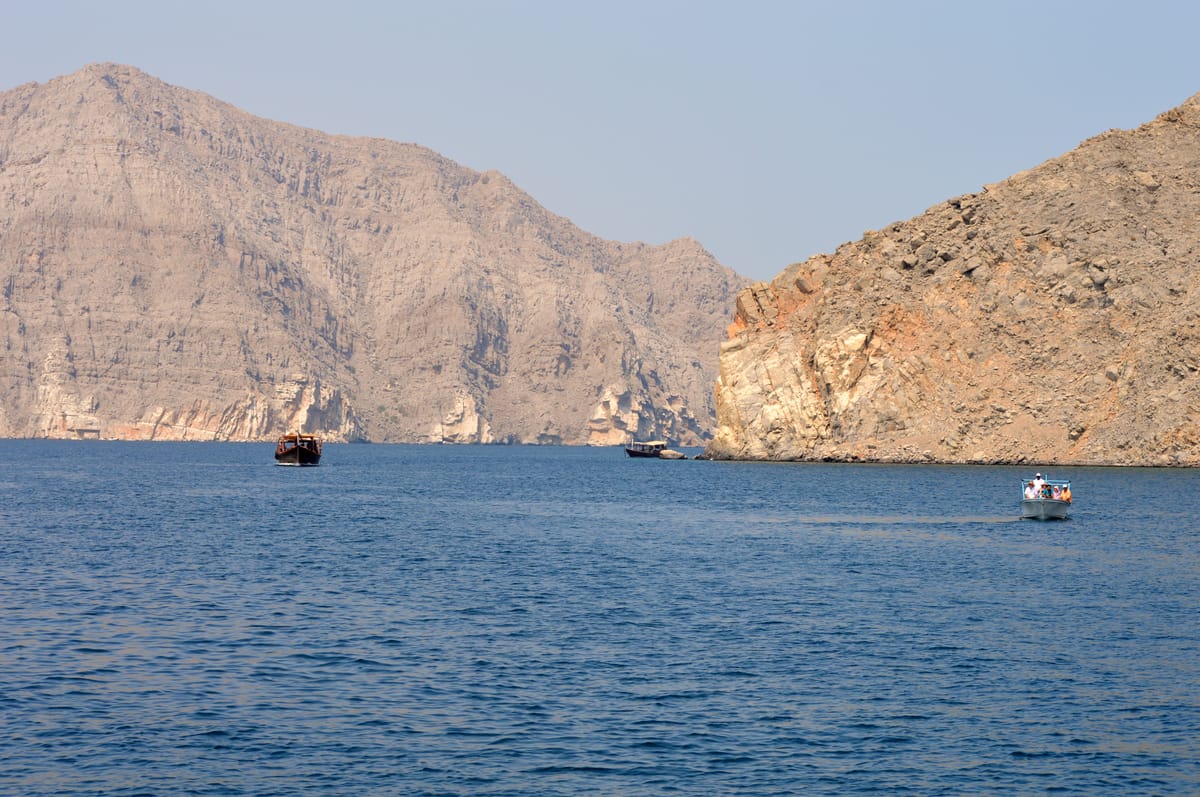
A proposed Iran-Oman arrangement would grant Tehran control over vessels entering the Persian Gulf through the Strait—a significant concession to Iranian demands for toll authority over transit traffic. U.S. officials have repeatedly stated publicly they would never accept Iran exercising unilateral control over the strategic waterway, yet regional officials told Reuters a compromise has already taken shape.
"The concession has already been made regarding some form of control over Hormuz," one regional official said, indicating negotiations have moved past initial Iranian demands on straits authority.
The framework under discussion would establish separate transit routes: ships entering the Gulf would pass through Iranian-controlled waters, while departing vessels would transit through Omani-controlled areas, according to Reuters. The deal would be temporary, regional officials said, creating a foundation for U.S.-Iranian negotiations on a longer-term ceasefire.
The acceleration in talks comes amid pressure on all sides. The Trump administration is concerned about energy market effects ahead of November elections. U.S. military leaders have warned that depleted munitions stockpiles and the limits of airpower make an exit strategy necessary. Regional allies have expressed alarm at the prolonged disruption to global shipping and energy supplies.
Saturday morning, Abu Dhabi's flagship oil company reported that another of its vessels was struck by a missile while transiting the Strait, the latest in a series of attacks against commercial shipping that have killed one crew member and wounded 20 others since the conflict began.
Iran's Supreme National Security Council head Mohammad Bagher Zolghadr presented an expanded list of demands Saturday, including cessation of all strikes in the region "forever," payment of war reparations, and comprehensive sanctions relief. But the U.S. blockade-lift offer suggests Washington is moving to meet Iran on a narrower set of conditions centered on the Strait alone.
Both negotiating parties are racing against time. The U.S. official did not specify when a deal would be announced or when the blockade would be removed, saying only that Washington "expects a deal soon." No date has been set for the next Iran-Oman negotiation round, though regional officials said talks are continuous.
The Trump administration has not issued guidance on the operational mechanics of a blockade lift. The U.S. Navy maintains significant presence in the Strait and surrounding waters, conducting blockade enforcement and mine-clearing operations. U.S. Central Command did not respond to requests for comment.