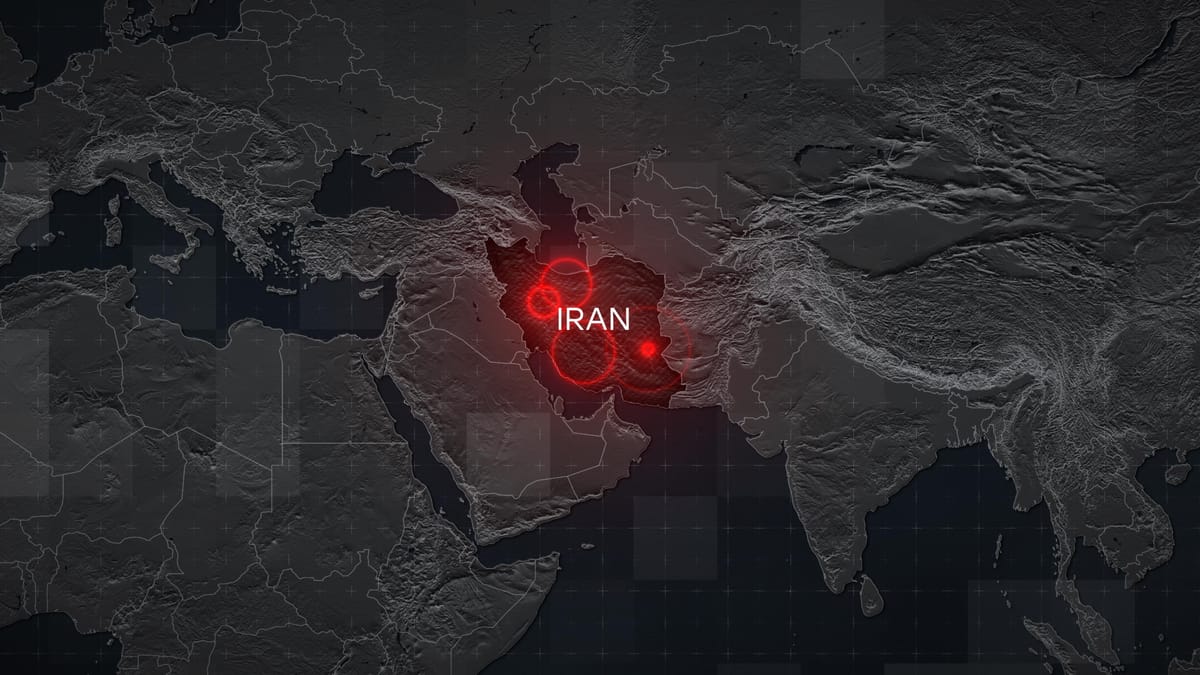
Iran has issued a formal ultimatum that kills any near-term prospect of reopening the Strait of Hormuz: the United States must recognize Iranian control of the waterway, withdraw all military forces from the region, pay war reparations, lift all sanctions and free frozen assets, and halt strikes against Iranian proxy forces across Iraq, Lebanon, and Gaza.
Mohammad Bagher Zolghadr, head of Iran's Supreme National Security Council, published the demands through Iranian media on Saturday. The list represents not a negotiating position but a declaration that Tehran intends to hold the strait hostage until the Trump administration capitulates on multiple strategic fronts simultaneously.
The demands expose a fundamental divergence in what each side believes it is negotiating. Washington and its mediators—particularly Oman and Pakistan—have framed Hormuz as a shipping problem: reopen the waterway, normalize traffic, ease global energy prices, and then discuss larger political issues. Iran has defined it as a geopolitical weapon: the strait stays closed until the American military footprint vanishes from the Persian Gulf.
Washington has already rejected Iranian attempts to charge transit fees or exercise unilateral control over the waterway, with the State Department saying that any Iranian tolling system would make a diplomatic deal unfeasible. The administration has also insisted on the complete and unimpeded reopening of the strait, alongside Iran's elimination of its nuclear program—the inverse of what Tehran is now demanding.
The list carries a second message directed inward: Iran's hardline security establishment is signaling that any reopening of Hormuz without achieving these maximalist goals constitutes a catastrophic strategic surrender. Internal Iranian political divisions have deepened, with pragmatists viewing Hormuz reopening as a path to economic relief while hardliners insist sanctions must be lifted before Iran relinquishes its primary source of leverage. By publishing such an expansive set of demands, Zolghadr is tying the hands of any Iranian negotiator who might attempt a more modest deal.
The timing is particularly significant. As Trump's approval rating deteriorates and the Iran conflict drains political support at home, Tehran appears to be gambling that American domestic pressure will eventually force Washington to capitulate. The calculus is stark: if the U.S. cannot reopen the strait in the near term, energy prices remain elevated, Trump's economic messaging collapses, and Israeli security coordination becomes increasingly untenable.
For Israel, the message is equally clear: any U.S.-Iran negotiated settlement now will not address Iranian proxies in Lebanon, Gaza, or Iraq. The Trump administration has not publicly commented on the Iranian demands.