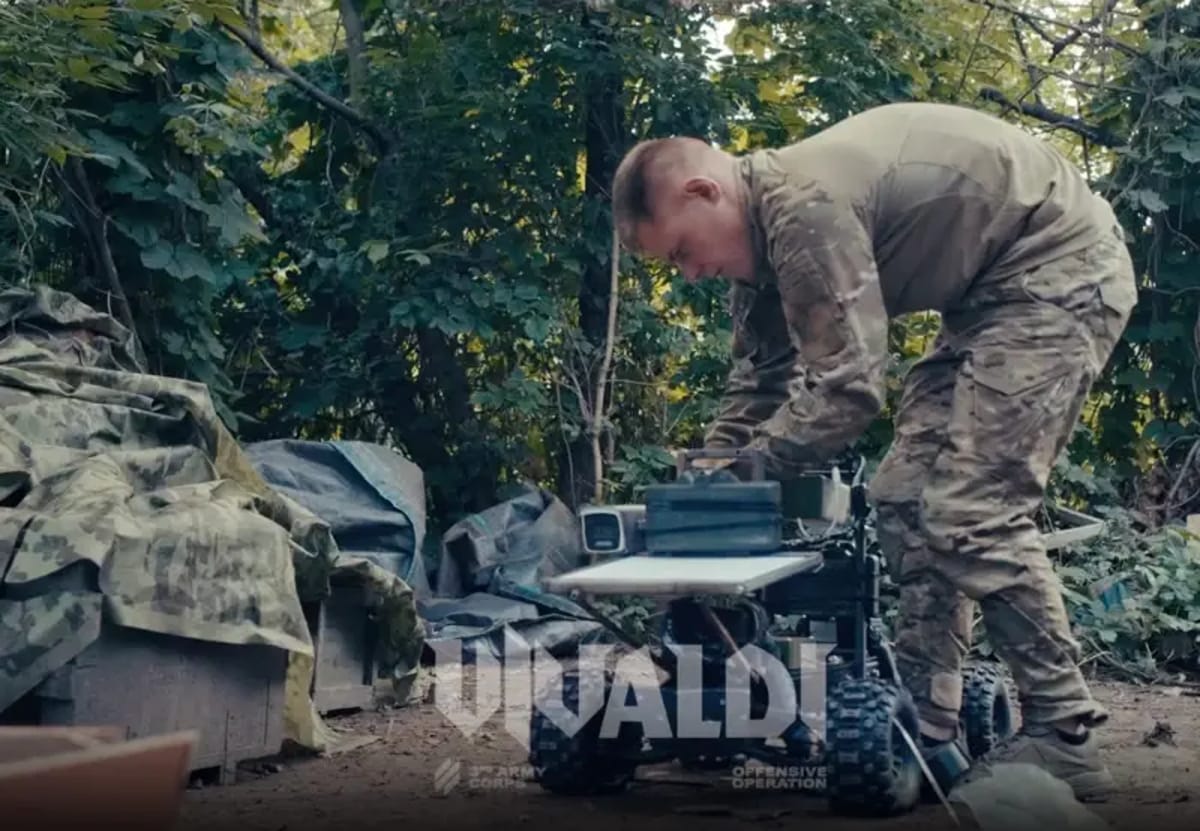
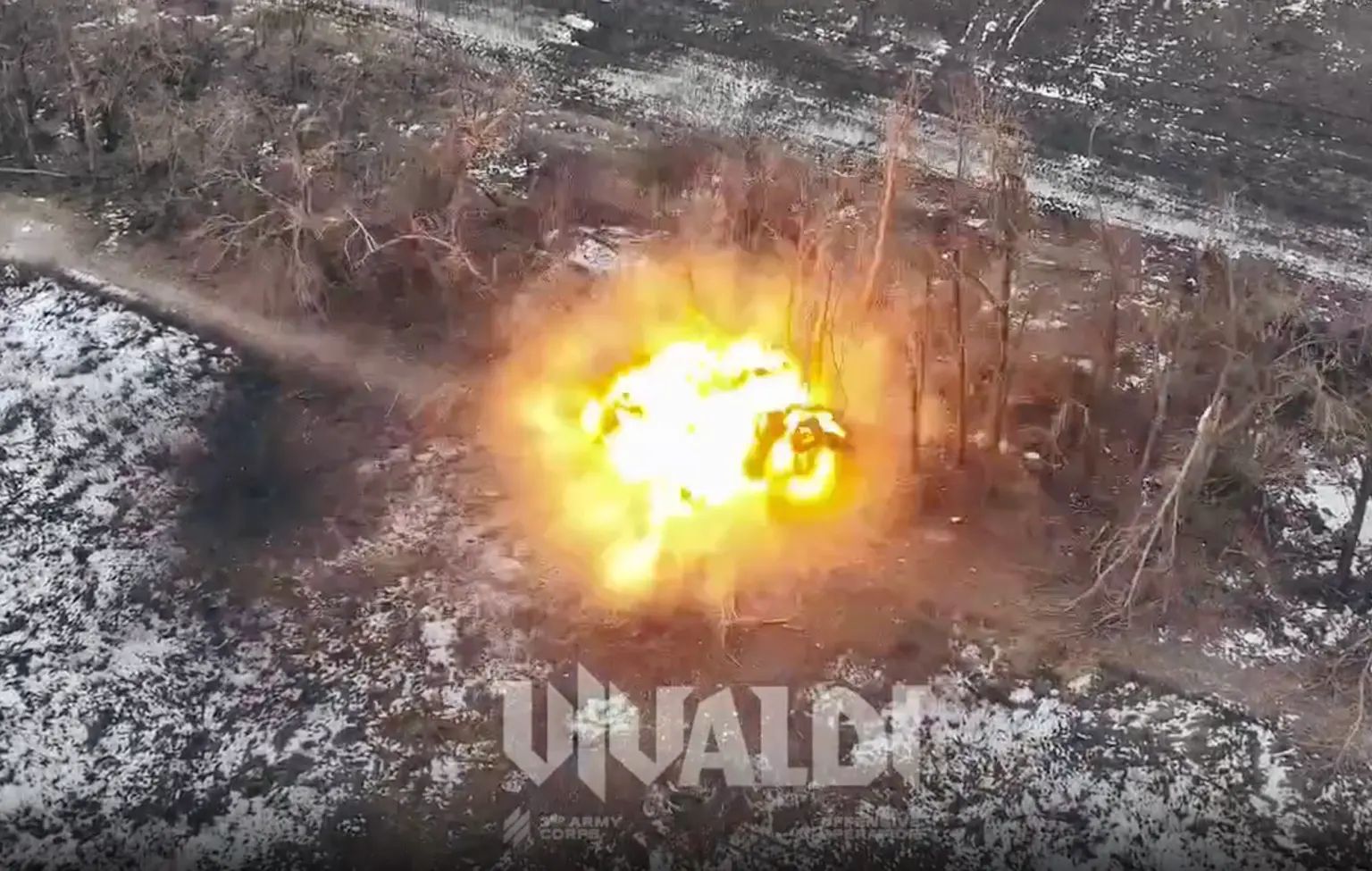
The commander of the 3rd Army Corps, Brigadier General Andriy Biletsky, described the operation as "the first of its kind in the world". According to him, Russian forces are prepared mainly for threats from the air, not for remotely operated ground attacks deep inside their own territory.
Ukraine claims the operation began in May and ended last week, and that five villages and three additional settlements in Donetsk were recaptured. According to figures released by Ukrainian forces, around 125 square kilometres were retaken, and the Russian army suffered some 3,000 dead. However, there is no way to independently verify the scale of the losses or the territorial gains, due to restrictions on access to the combat zones.
According to the reports, a central part of the operation was the disruption of Russian intelligence capabilities: electronic warfare and air-defence systems were deployed to make it harder for Russian surveillance drones to detect preparations for the attack and the movement of forces.
The disclosure comes alongside an announcement in Ukraine of a new initiative called the "Army of Robots", aimed at developing and expanding the use of autonomous systems at the front. Mykhailo Fedorov, who previously served as Ukraine's minister of digital transformation, said at the IT Arena conference in Lviv that the goal is to develop humanoid robots that will carry out simple tasks in combat zones, such as loading machine guns, replacing batteries and installing sensors.
According to Fedorov, Ukraine is seeking to accelerate the shift to warfare based on automation, drones and robotics, in part to reduce the risk to fighters. According to published figures, more than 280 companies in the field of robotics operate in the country, having developed around 550 different systems together, and Ukrainian forces carry out more than 9,000 robotic missions per month.
If the figures turn out to be accurate, Operation Vivaldi may illustrate the direction in which the war in Ukraine is developing: fewer exposed fighters at the front, and more unmanned systems operating in the air and on the ground, even deep inside enemy territory.