An Iranian Shahed Drone
Two sources familiar with the incident confirmed to CBS News that an armed Iranian Shahed drone struck the Apache helicopter. A U.S. official said the helicopter went down after colliding with an Iranian drone, though it was not clear whether the collision was intentional, and official statements said the crash was under investigation.
CNN had earlier quoted an unnamed U.S. official as saying Iran launched multiple drones toward the Strait of Hormuz early on June 6, with U.S. officials suspecting the drones were targeting commercial vessels or U.S. forces operating in the area. Iran's Mehr news agency described those launches as warning shots linked to the movement of U.S. ships near the waterway.
Sea Drone Rescue
The two American crew members were rescued within approximately two hours. The rescue vessel was a 24-foot unmanned boat called a Corsair, manufactured by Saronic Technologies, assigned to the Navy's Task Force 59, established in 2021 as the Navy's first uncrewed and artificial intelligence unit focused on maritime security in the Middle East.
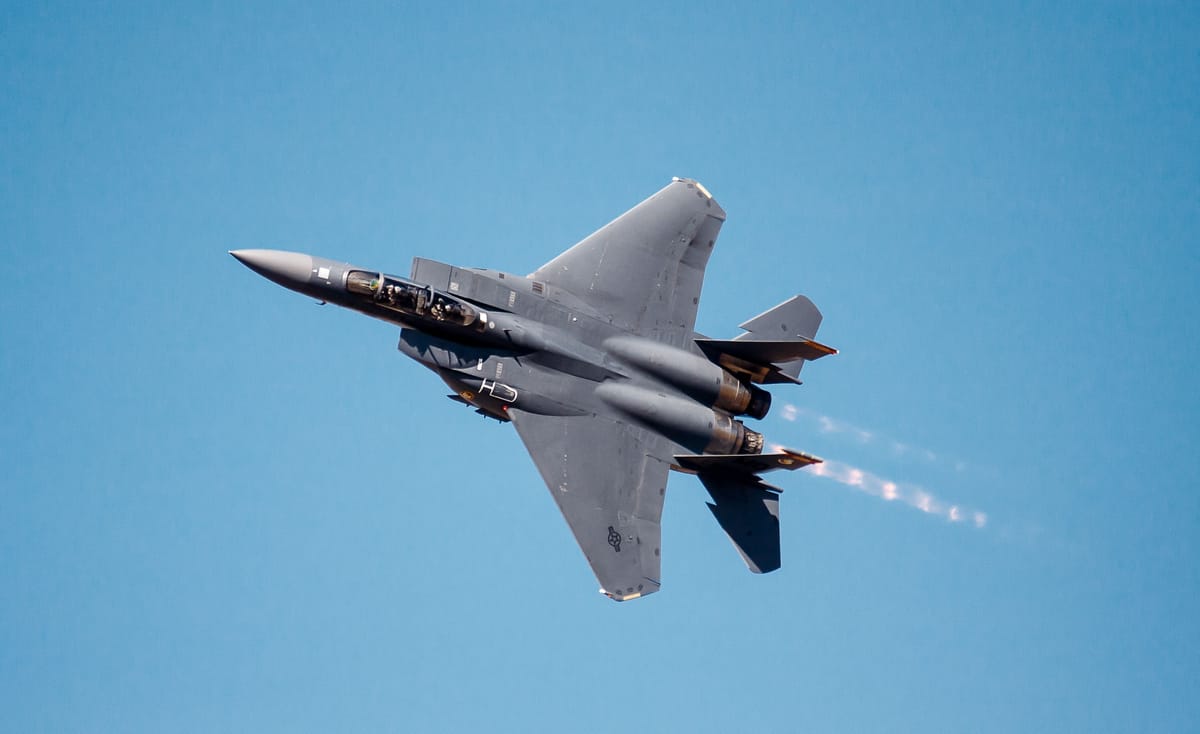
AH-64 Apache helicopters have been a key asset for the U.S. military as it enforces a blockade on Iranian crude oil shipments and tankers, seeking to pressure Tehran into a deal. The helicopters have also been used by the United Arab Emirates to shoot down Iranian drones.
Iran Fires Back
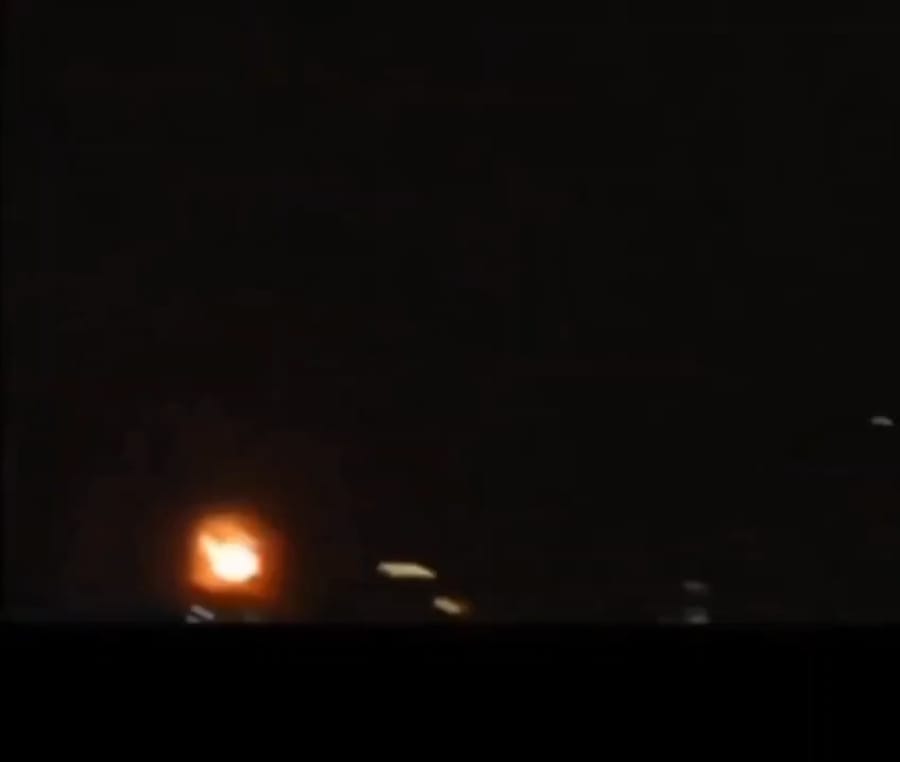
Iran's state broadcaster IRIB reported explosions on Qeshm Island in the Strait of Hormuz, and in the ports of Sirik and Jask during the first wave, with further explosions reported in Jask and Bandar Abbas hours later.
Iran responded swiftly and forcefully. Following the U.S. retaliatory strikes, Iran launched drone and missile attacks early Wednesday targeting military bases in Jordan, Bahrain, and Kuwait. Jordan said it shot down five incoming missiles launched by Iran, which Iran said targeted the Muwaffaq Salti Air Base.
Iranian Foreign Minister Abbas Araghchi warned on social media: "Foreign forces in proximity to our territory are at constant risk on account of their own human errors, plain accidents, or potentially being caught in crossfire. To reduce risk, best solution is for them to leave."
Broader Context: Nuclear Talks in Jeopardy
The incident dealt a potentially severe blow to fragile diplomatic efforts. Just hours before blaming Iran for the helicopter downing, Trump had expressed renewed optimism over nuclear negotiations, saying there was "a good chance" of signing a deal in "two or three days." Trump said earlier that efforts to reach a deal with Iran were in their "final throes." It is now unclear where those negotiations stand.
Trump told NBC News that Tehran likely retains roughly 21-22 percent of its prewar missile arsenal, saying, "It's a lot of missiles, but it's not what it was."
The broader conflict has exacted a heavy global toll. The U.S.-Israeli war with Iran, which began with joint strikes on February 28, has disrupted key shipping routes including the Strait of Hormuz, sharply constraining global energy flows and supply chains, with crude prices remaining above $100 per barrel.
After the U.S. retaliatory strikes were announced, Trump told ABC News: "I believe the response should be very strong, very powerful."