Get our mobile app
Download on the App StoreGet it on Google Play

Economic pressure campaign

US waives Iran sanctions for Iraq flights

Treasury to allow Iraqi Airways to fly Tehran–Najaf route for one month after abrupt shutdown stranded thousands of pilgrims, students and patients • Move exposes tension between maximum pressure on Iran and stability in Iraq

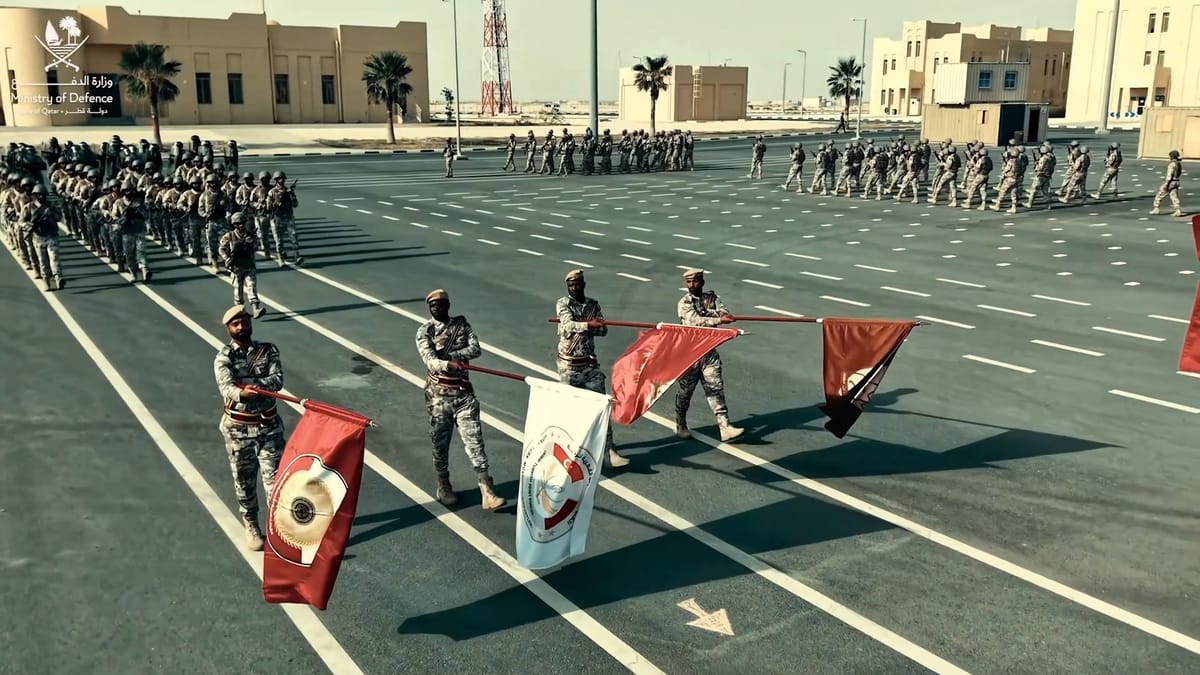
Qatar–Turkey military exercise

The US Treasury is set to grant Iraqi Airways a one-month waiver to operate flights between Iran and Najaf, with an option to extend the arrangement into a permanent route, according to a source familiar with the matter quoted by Reuters. The move marks a tactical retreat in Washington's "maximum pressure" campaign against Tehran, forced by the chaos that followed last Friday's abrupt shutdown of the air link.

The shutdown came after Washington tightened enforcement on Iranian airlines and threatened any foreign entity cooperating with them with immediate exclusion from the dollar system. The sudden closure created massive human bottlenecks, stranding thousands of passengers, among them critically ill patients, students and religious pilgrims, who were forced into grueling and dangerous overland journeys of more than twelve hours.

The American move was based on a declaration by Treasury Secretary Scott Bessent, who announced on September 23rd that any company or country providing fuel, ground services, landing rights or tickets to Iranian airlines would be financially crushed and immediately cut off from the dollar and the US financial system. The operation, dubbed "Economic Outcast," has already proven effective on the ground: American officials report that between 80 and 90 percent of Iran's international flights have been completely grounded.

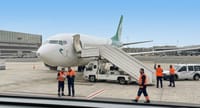
Najaf is not just another aviation destination, but the beating heart of Shia Islam and the religious-economic center to which millions of believers from Iran and across the region flow each year. The stoppage of the flight route sparked a wave of sharp public anger in Iraq and lit red warning lights in Washington about the formation of an angry Shia coalition that would actually serve the interests of the regime in Tehran.

The decision to grant the waiver illustrates the paradox in American navigation of the Middle East: on one hand, an aspiration for a policy of uncompromising "maximum pressure" on the ayatollahs, and on the other, an understanding that complete disruption of Iraq's economy and transportation could lead to a broad geopolitical collapse. Official sources in Baghdad already estimate that air traffic will resume fully within 48 hours.

Meanwhile, the Iranian regime continues to apply counter-pressure. Mohsen Rezaei, secretary of Iran's Supreme National Security Council, said in an interview with Iranian state television that "if neighboring countries cooperate with the United States and stop Iranian flights, their airports will not be able to operate either." The message was unambiguous: Tehran will not sit idly by while its neighbors submit to what Rezaei called "American adventurism."

American economic pressure is intensifying on other fronts as well. According to a Wall Street Journal report, a study that Senate Democrats are expected to publish reveals that Iran made extensive use of the stablecoin cryptocurrency USDT from Tether to circumvent sanctions. The currency has become a central payment method for the Iranian regime, and according to the report, also served as a tool for financing its proxy organizations, including Hezbollah.

Cryptocurrency wallets worth vast sums. Bitcoin
Cryptocurrency wallets worth vast sums. Bitcoin (Photo: A.L)

As part of the American pressure campaign, Iranian airlines have been cut off from major regional aviation routes, and the country's leading commercial bank has been blocked from conducting transactions in the United Arab Emirates and Turkey. A senior US Treasury official visited Europe and Middle Eastern countries this month and made clear to Iran's trading partners that they must choose between continued trade with Tehran and their economic ties with Washington.

These economic measures have intensified the economic collapse in Iran and led to growing attempts by the regime to find alternative encrypted funding channels. In response to the economic pressure, Tehran is trying to apply counter-pressure leverage through shipping routes. An editorial in the Kayhan newspaper, identified with the Iranian regime, called for stopping shipping in the Straits of Hormuz and Bab al-Mandab as revenge for American sanctions.

Ready for more?

Join our newsletter to receive updates on new articles and exclusive content.

We respect your privacy and will never share your information.

Enjoyed this article?

Yes
No
Follow Us:

Unmissable content


Loading comments...

Also of Interest