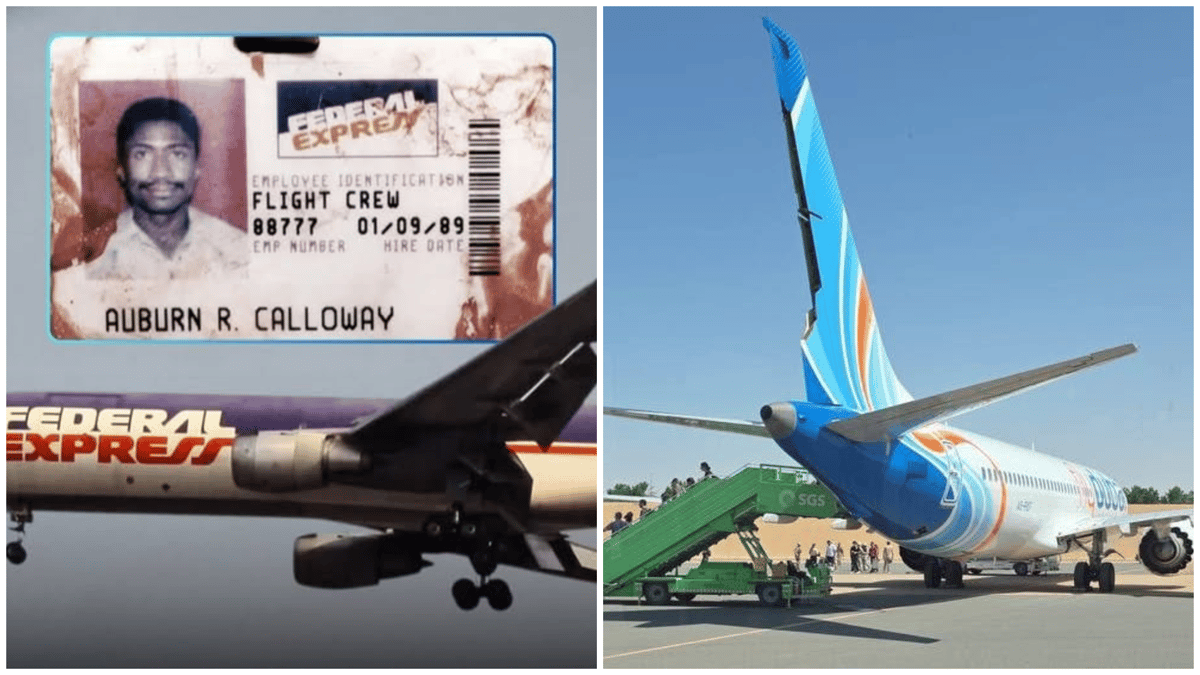
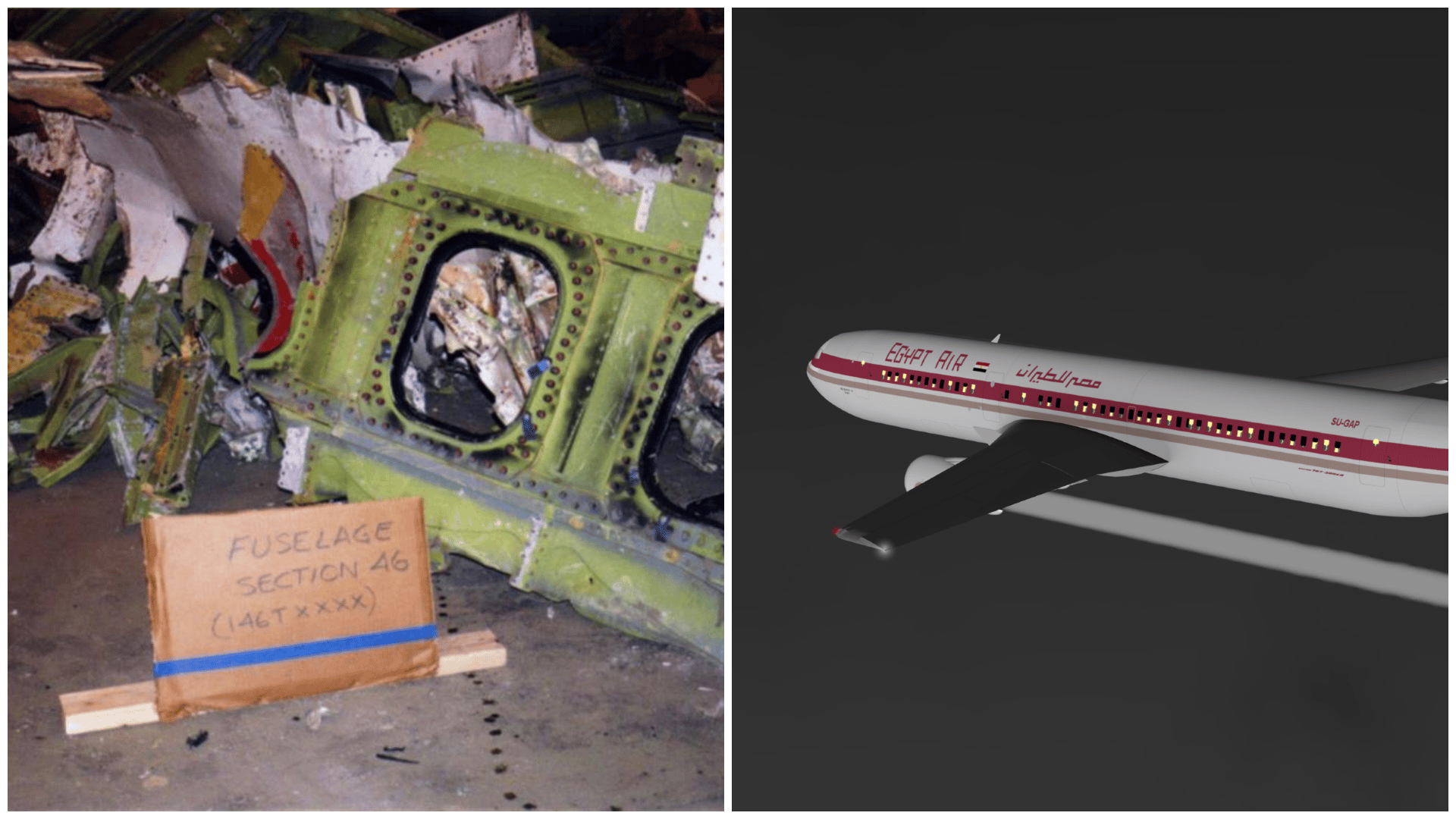
Two patterns run through the list. The first is opportunity: in four of the six confirmed or officially suspected crashes, the pilot waited until he was alone at the controls. The second is denial. A finding of pilot suicide is almost always disputed, by governments, airlines or pilot unions.
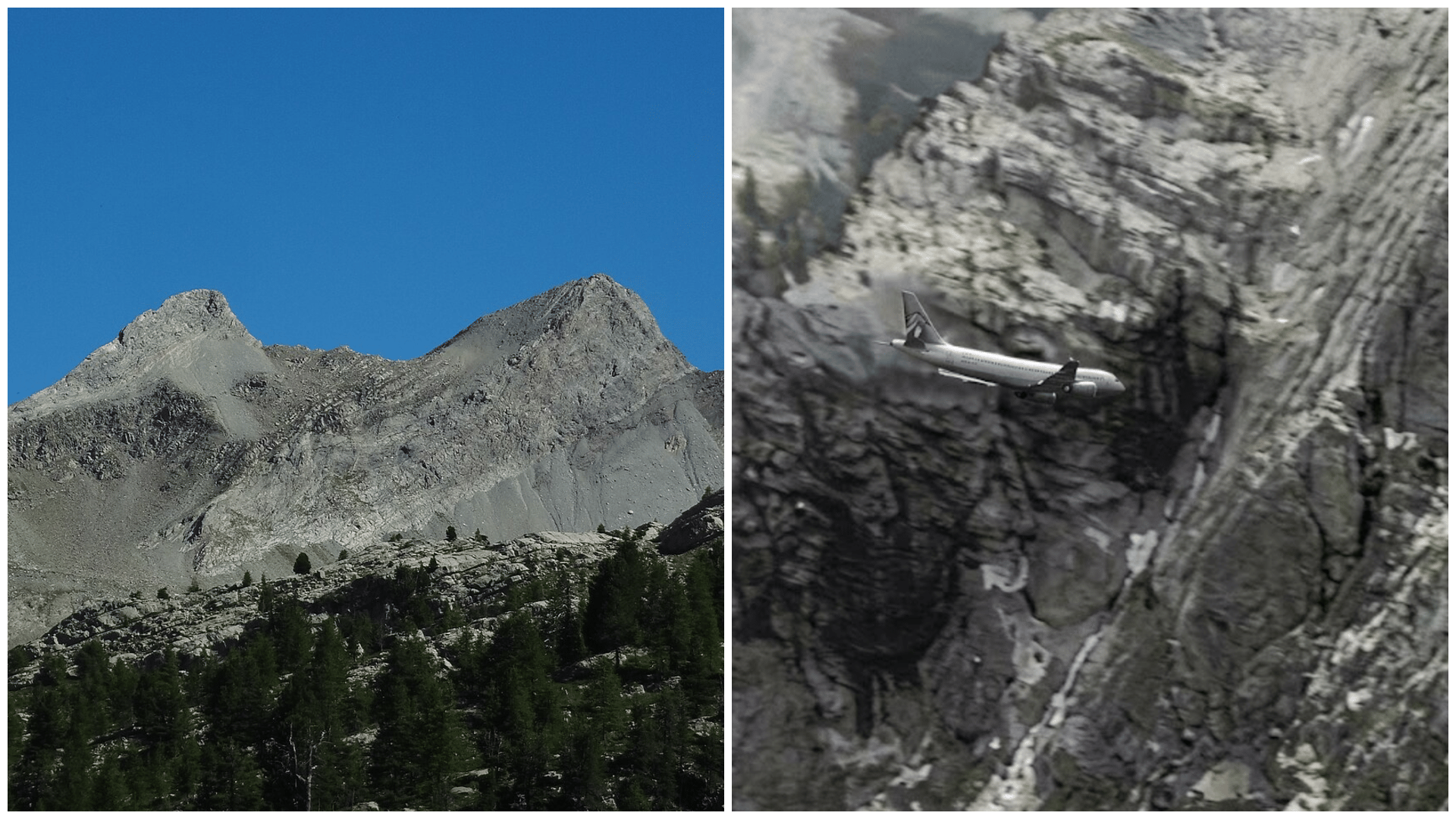
The locked cockpit door sits at the center of the problem. Hardened doors were introduced after September 11 to keep hijackers out. In the Alps and in Namibia, they kept the other pilot out. As aviation security expert Jeff Price told TIME, the measures do little good when "the problem is coming from inside the house." Screening offers limited protection. Pilots largely bypass passenger-style security on trust, and psychological checks in the United States amount to a questionnaire in the flight medical exam.
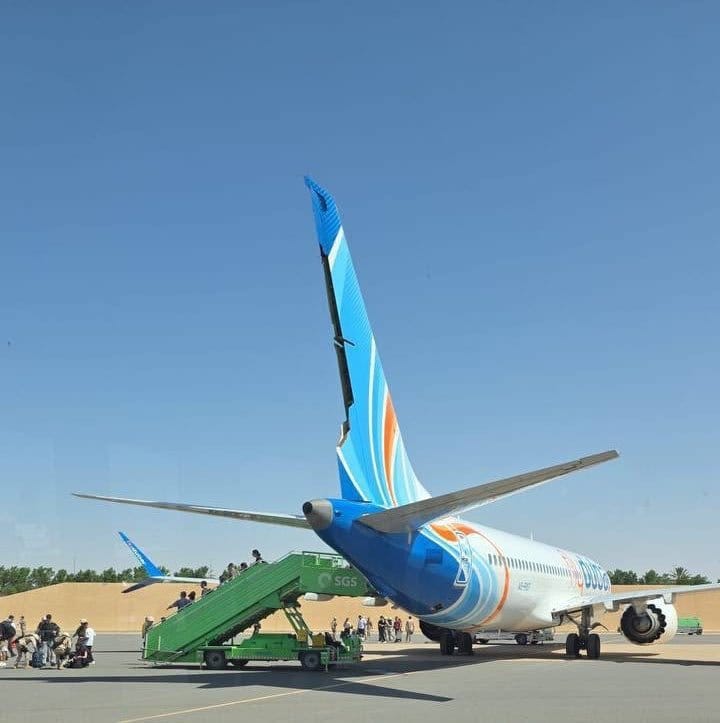
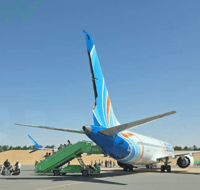
Flydubai 1073 belongs on this list, and it also breaks the pattern. The UAE's attorney general has called it an attempted terrorist act, and sources briefed on the investigation say the co-pilot indicated he meant to crash the plane in Israel. The earlier pilots were driven by private despair or grievance. This one, by the available evidence, was driven by ideology and had a target.
He also did not wait to be alone. He attacked a captain who was sitting beside him, with the emergency axe that every cockpit carries. That is the only reason there was anyone to fight back, and the only reason the door that doomed Germanwings was opened from the inside.
For Israel, the lesson is uncomfortable. Its aviation security is built to stop the passenger with a weapon. The threat last week had a uniform, a license and a seat at the controls.