The United States Treasury Department updated its financial sanctions registry on Wednesday, removing penalties previously imposed on two aircraft and three Iraqi aviation companies affiliated with the Islamic Revolutionary Guard Corps. The move coincides with reports from regional diplomats indicating that negotiations over the Strait of Hormuz could pave the way for broader diplomatic talks between Washington and Tehran.
Concurrently, a senior Iranian Foreign Ministry spokesperson announced that the geographical parameters governing shipping lanes in the Strait of Hormuz have been finalized with Omani negotiators.
Iranian officials noted that the joint declaration with Oman is in its final drafting stages, warning that progress remains subject to whether third parties intervene in the process. Authorities in Tehran clarified that a bilateral agreement with Oman does not automatically guarantee safe passage for commercial shipping without broader compliance.
Prime Minister Benjamin Netanyahu addressed the diplomatic developments during an official ceremony in Israel, emphasizing that national defense parameters remain firm regardless of negotiations.
"Trump is our greatest friend, but I want to make it clear that Israel's existence is not negotiable," Prime Minister Netanyahu stated. "With an agreement or without an agreement, we will do whatever is necessary to ensure our future."
A senior Gulf source familiar with the negotiation details informed CNN that there is a 50:50 chance the participating parties will reach a formal agreement by Friday.
The Gulf source noted that the Iranian delegation currently conducting negotiations with Oman does not include representatives from the Islamic Revolutionary Guard Corps. Consequently, the IRGC command structure must formally review and ratify the provisions of any temporary accord before it can be implemented.
President Donald Trump stated earlier on Wednesday that American representatives are engaged in very good discussions with Iranian counterparts. However, President Trump reiterated threats to strike the Islamic Republic very hard if negotiators withdraw from the process, while suggesting an agreement regarding the strait could be finalized swiftly.
Iranian representatives continue to deny engaging in direct communications with Washington, maintaining that discussions are conducted exclusively through Omani intermediaries to regulate navigation routes.
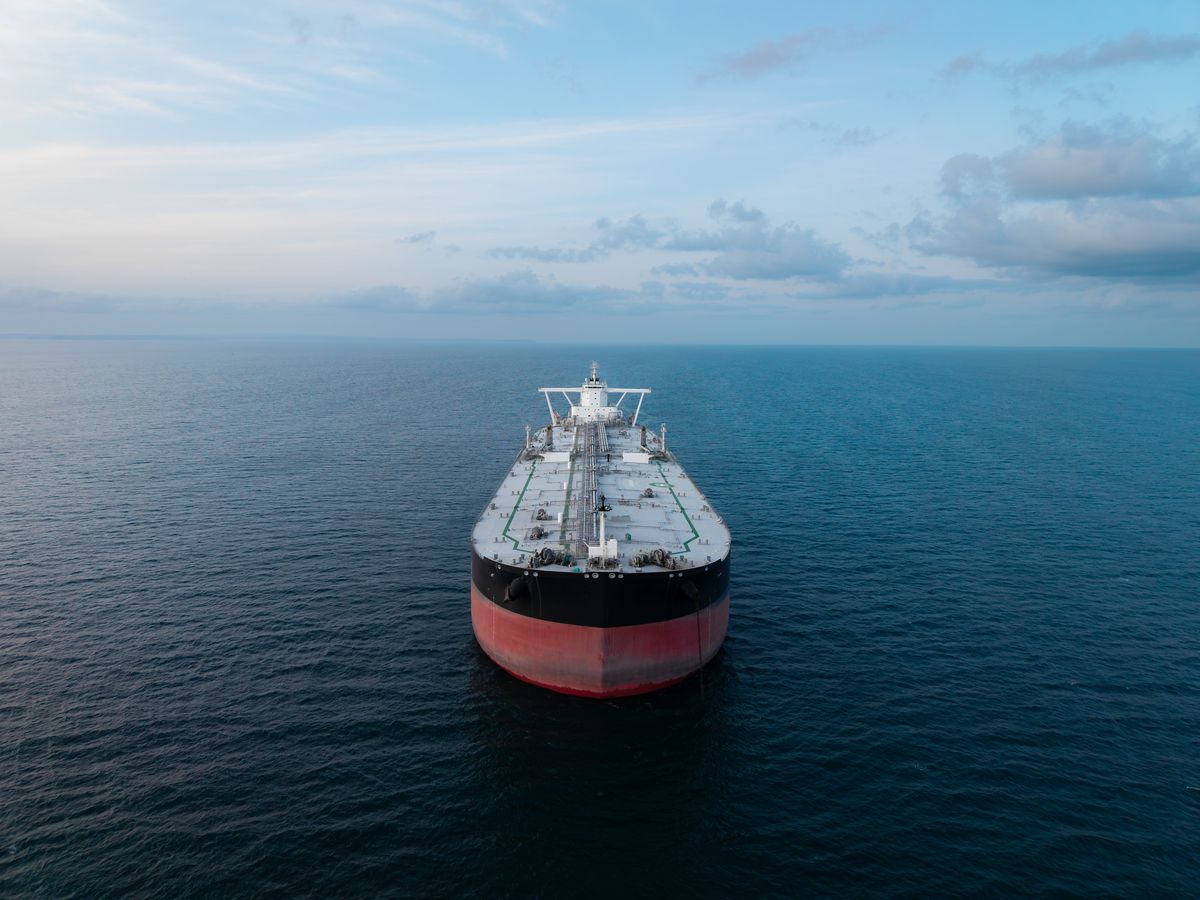
Negotiators are currently evaluating three proposed transit options through the waterway. The first option, demanded by Iran, requires all commercial vessels to pass through an Iranian-controlled route near its coastline. The second option, proposed by Oman and the International Maritime Organization, routes shipping along the Omani coast, though Iranian forces have previously targeted vessels in these waters. The third option utilizes the pre-war central corridor, which is currently designated a high risk zone due to naval mines.
According to reporting published by N12 and Kikar HaShabbat, diplomatic observers consider the reopening of the strategic transit corridor, which previously carried 20 percent of the world's energy supply, a critical prerequisite for stabilizing global supply chains.