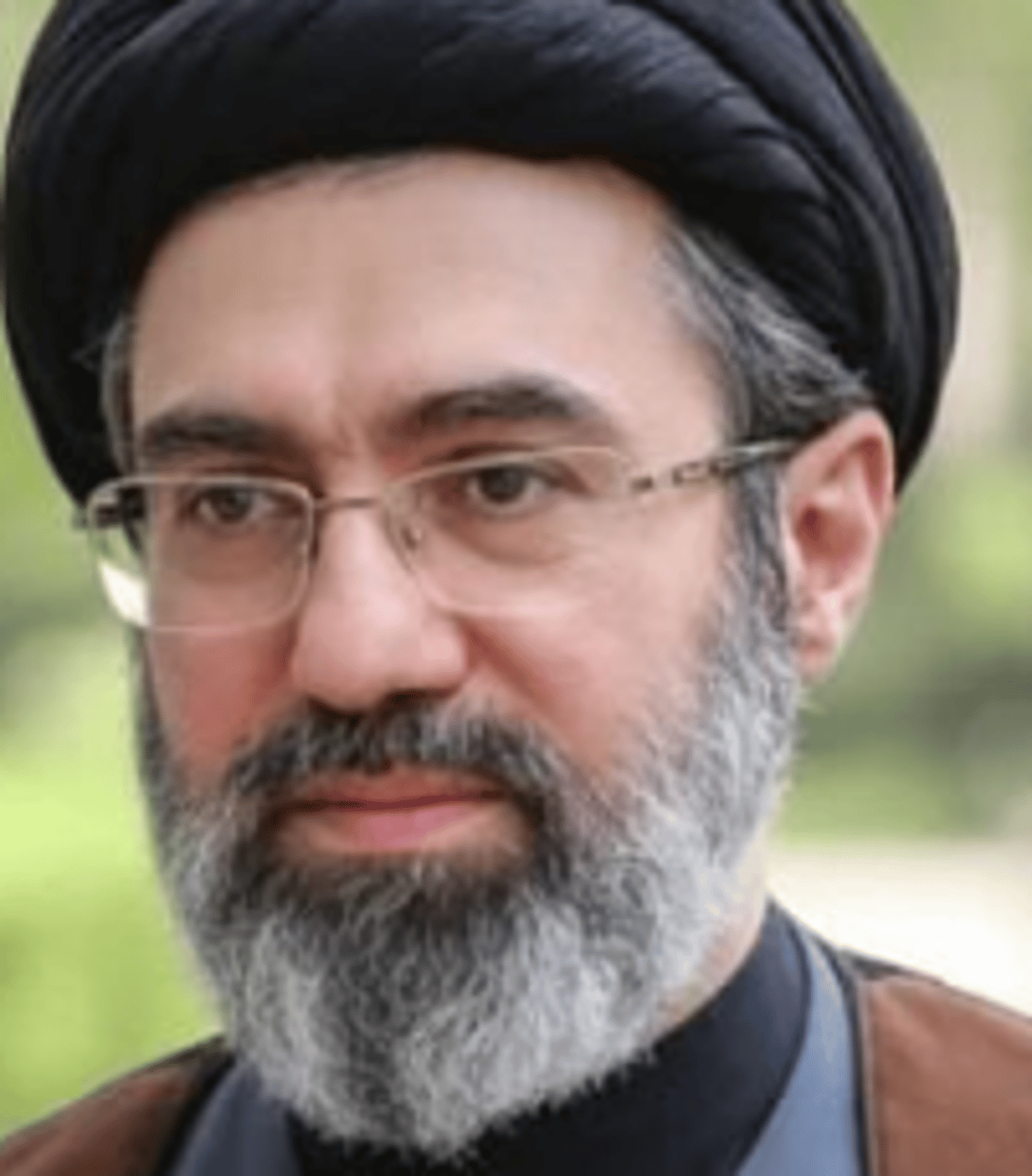
The diplomatic trajectory of the ongoing regional war remains highly volatile, as senior Israeli political and defense officials reveal that the potential sixty-day ceasefire agreement between Washington and Tehran has not received crucial authorization from the highest levels of the Iranian regime. While Western media outlets reported that a comprehensive memorandum of understanding had been successfully finalized, intelligence assessments in Jerusalem indicate that the deal cannot move forward until Iran's Supreme Leader, Mojtaba Khamenei, provides an official response to the draft.
The political echelon in Jerusalem has maintained a strict, formal silence regarding the specific components of the text, with neither the Prime Minister’s Office nor the Ministry of Defense issuing public briefings. However, senior analysts speaking behind closed doors clarified that United States President Donald Trump currently has nothing concrete to sign, as the entire framework is frozen while awaiting approval from the opposing leadership. The sources noted that while high-level Iranian officials like Mohammad Baqer Qalibaf and Abbas Araqchi managed to reach basic understandings with American negotiators, they simply do not possess the executive authority required to sign a binding international treaty.
Israeli intelligence agencies currently possess zero indications that Mojtaba Khamenei has signaled his assent to the framework, with defense planners predicting that the Supreme Leader will likely utilize a delay tactic by offering a conditional agreement to drag out negotiations. This assessment aligns closely with official statements published by Iran’s state-aligned Tasnim news agency, which quoted sources close to the delegation asserting that the document remains unfinalized. The Iranian press apparatus emphasized that the regime has not yet notified its Pakistani diplomatic intermediaries that a final text exists, contradicting Western reports.
According to the specific operational blueprints embedded within the proposed sixty-day memorandum, the agreement is designed to temporarily extend the active ceasefire while launching structured negotiations regarding the total containment of Iran's nuclear program. A primary stipulation demands that maritime transit through the critical Strait of Hormuz must proceed with absolute freedom, meaning zero transit fees, zero military harassment, and the complete removal of all naval mines by Iranian forces within thirty days. In return, the United States would implement a proportional drawdown of its active naval blockade, tying the relief directly to the verified resumption of safe international commercial shipping.
Furthermore, the pending text contains an explicit commitment from Tehran pledging never to pursue or manufacture functional nuclear weaponry, placing the disposal of high-enrichment uranium stockpiles at the absolute top of the initial sixty-day discussion agenda. To incentivize compliance, American negotiators have agreed to discuss structured sanction relief, the unfreezing of billions of dollars in blocked foreign bank accounts, and the creation of an international humanitarian corridor to facilitate the delivery of essential supplies to the Iranian civilian population. Despite these sweeping economic incentives, the entire apparatus remains completely theoretical until the supreme clerical leadership in Tehran chooses to break its silence.