Get our mobile app
Download on the App StoreGet it on Google Play

Iran's Surviving Missile Arsenal

Iran Still Holds Up to 2,500 Missiles: WSJ

US officials put Iran's surviving arsenal at 1,500 to 2,500 missiles, while Western intelligence says Tehran is producing about 50 new ballistic missiles a month and striking with greater accuracy.

Iran prepares for confrontation

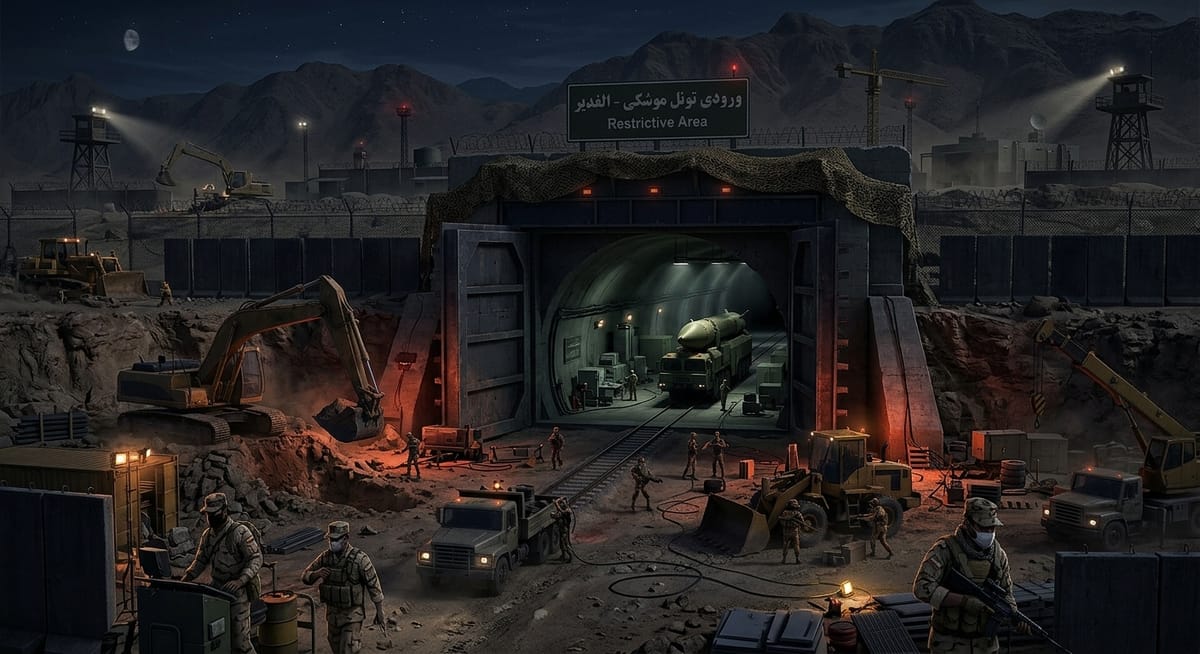
Iran still holds an estimated 1,500 to 2,500 missiles after months of intensive US and Israeli strikes, The Wall Street Journal reported, citing officials in Washington. That arsenal would allow the Iranian regime to keep carrying out significant attacks on American forces and Washington's allies across the Middle East.

US intelligence officials described the estimate as low-confidence, because it is difficult to gauge precisely how much of Iran's stockpile survived and how ready it is for launch. Even so, officials believe the regime's military capabilities remain substantial. Assessments compiled by the IDF paint a similar picture, putting Iran's remaining stock at more than 1,500 ballistic missiles.

According to the report, Iran is replenishing its munitions as its stockpiles wear down, drawing on components it stockpiled before the conflict broke out. Its current production rate is well below prewar levels. Alongside its ballistic missiles, however, Tehran holds large quantities of drones and short-range missiles that allow it to sustain attacks on several fronts in the region.

A Western intelligence assessment published by Bloomberg found that Iran's weapons industry has restored some of its assembly lines and is now turning out about 50 new ballistic missiles a month. That is roughly half the rate Iran achieved on the eve of the fighting. The ability to replenish stocks at this scale suggests the regime still has room to keep arming itself if fighting escalates again.

Iran's continued fire is already being felt. The Wall Street Journal reported that Iranian attacks are still damaging US military facilities and hitting radar and early-warning systems. American and Israeli officials said that, as a precaution, many US military assets have been moved to Israel, which is seen as a safer location for them.

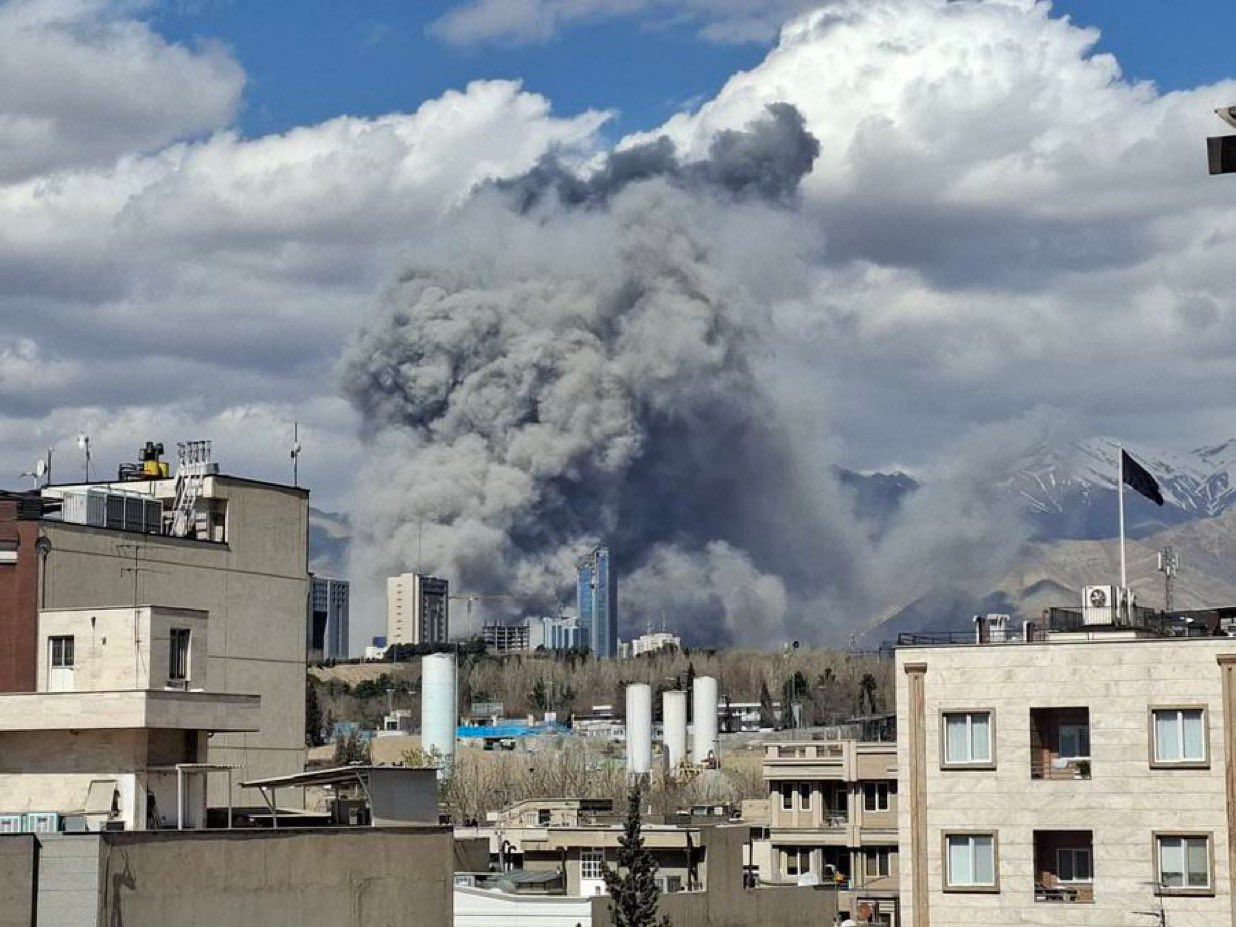
Bombings in Iran
Bombings in Iran (Photo: Arab social media)

One of the most troubling points in the report concerns the improved accuracy of Iranian strikes. Officials quoted by the Journal attributed the improvement to three main factors: better intelligence gathering and target selection, assistance from Iran's partners led by Russia, and closer coordination between missile and drone launches.

The Western intelligence assessment differs sharply from public statements by senior US administration officials since the campaign began. Washington has repeatedly said the airstrikes all but paralyzed Iran's production capacity and caused irreversible damage to the regime's missile stockpile. A Western source familiar with the military reports told Bloomberg that the Iranian regime managed to preserve a significant part of its capabilities.

Kikar HaShabbat reported that the Mossad passed the CIA specific intelligence on an Iranian plan to target President Donald Trump and senior members of his administration with drones. According to the outlet, security was tightened in Washington after the warning, and Trump has cut back his public appearances.

Mossad chief Roman Gofman is currently visiting Washington, a trip that has caused considerable concern among the countries mediating between the United States and Iran. According to reports, Gofman is presenting the Americans with sensitive, up-to-date intelligence on the progress of Iran's nuclear program and on Tehran's long-range missile arsenal, which poses a direct and immediate threat to Israel.

Ready for more?

Join our newsletter to receive updates on new articles and exclusive content.

We respect your privacy and will never share your information.

Enjoyed this article?

Yes
No
Follow Us:

Unmissable content


Loading comments...

Also of Interest