
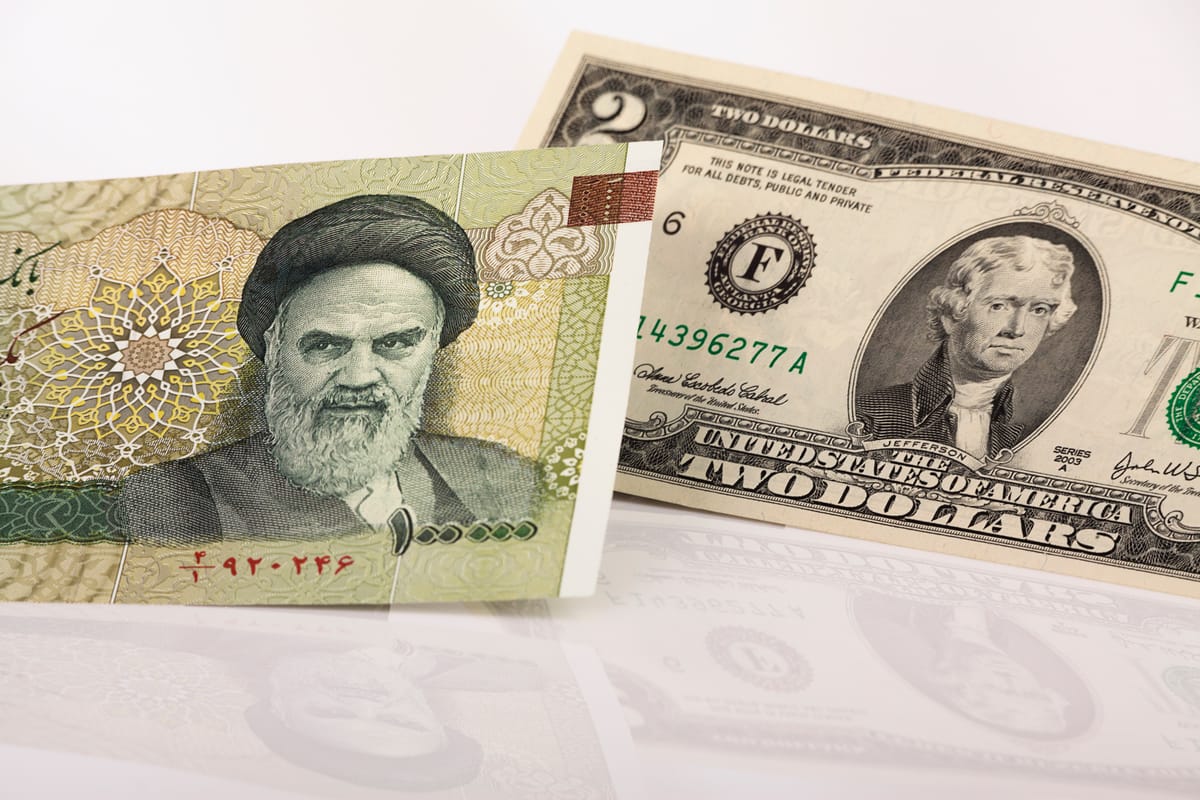
The renewed war with Iran is already being felt in Israel’s financial markets, with the dollar jumping sharply against the shekel on Monday morning.
The dollar traded around NIS 2.97, up roughly 6 agorot from its representative rate at the end of last week and about 16 agorot higher than its level at the end of May. The euro also strengthened, trading around NIS 3.45 after its representative rate stood at NIS 3.38 on Friday.
The sharp movement in foreign exchange markets comes after renewed Iranian launches toward Israel and Israeli strikes in Iran overnight. The renewed escalation has changed market expectations after months in which the shekel strengthened significantly against foreign currencies.
Oil prices also rose sharply Monday morning, reflecting concern over the possible impact of the conflict on energy supply from the Middle East. Brent crude rose by about 3% to around $96 a barrel, while WTI crude traded around $93.
The latest market moves come after a period in which the shekel’s strength had become a major issue for exporters and high-tech companies. In May, the Bank of Israel intervened in the foreign exchange market and purchased around $800 million in an effort to moderate the shekel’s rapid appreciation.
The weakening of the shekel could also affect the Bank of Israel’s next interest rate decision. In recent weeks, the strong shekel had increased expectations that the central bank could move more quickly toward another rate cut, especially as a stronger currency helps reduce inflation by lowering import prices.
Bank of Israel Governor Amir Yaron recently said that continued appreciation of the shekel could help bring inflation down and justify a more expansionary monetary policy, particularly if inflation expectations move toward the lower end of the target range.
That picture may now change. A weaker shekel raises the cost of imports, while higher oil prices can add further inflationary pressure through fuel, transportation and production costs. Together, those factors could reduce the pressure on the Bank of Israel to cut interest rates again soon.
The current interest rate stands at 3.75%, after two cuts earlier this year. If the security escalation continues, and especially if the shekel remains weaker while energy prices rise, the Bank of Israel may choose to slow the pace of future rate cuts.