
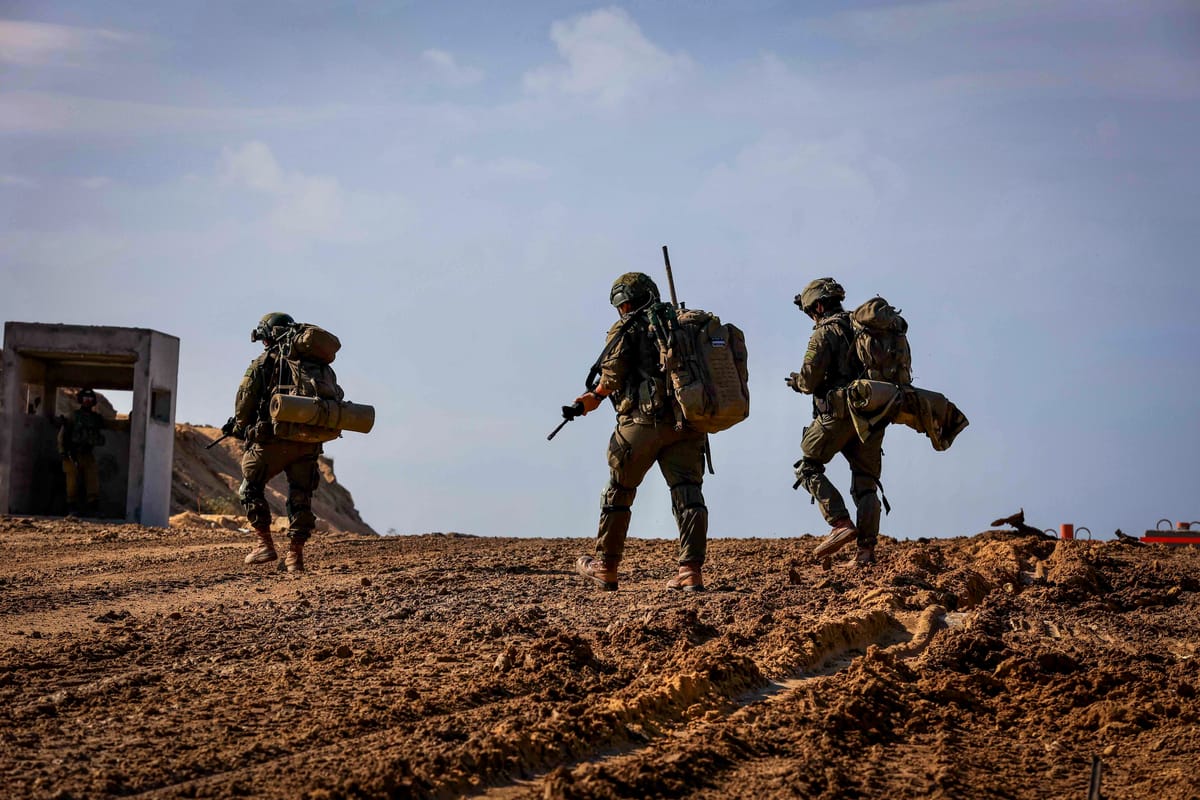
After 18 months of relentless combat in the Gaza Strip, the Israeli Defense Forces (IDF) are confronting a troubling rise in operational accidents, raising alarms about the toll of prolonged warfare on troop readiness.
An internal IDF report, obtained exclusively by i24NEWS, catalogs a series of mishaps over a span of less than two weeks, exposing a pattern of errors driven by fatigue, negligence, and lapses in discipline.
The report details a string of troubling incidents across various Gaza sectors:
- A deputy company commander was mistakenly shot in the shoulder by his own unit while operating in his brigade’s sector, highlighting the dangers of misidentification in high-stress environments.
- A collision between two Humvees left eight soldiers injured, a preventable accident attributed to poor coordination.
- An engineering unit reported an accidental discharge from a machine gun, which a commander labeled “pure delinquency,” pointing to a breakdown in weapons handling protocols.
- Two David armored vehicles, speeding toward each other, saw one veer off course, crash, and become immobilized, exposing vulnerabilities in vehicular operations.
- In a particularly alarming case, a soldier exited a half-track without his weapon, triggering a lookout’s report of a potential breach. He was identified from a nearby post, but only after warning shots were fired in his direction.
- Multiple IDF drones were shot down or destroyed due to “negligent handling and carelessness,” according to the report, further compounding losses from operational errors.
The source who compiled the list, speaking on condition of anonymity, warned of an escalating crisis. “We’re in a very troubling series of incidents,” the source wrote. “There are tons of friendly fire reports across the IDF, with almost no enemy in sight. Most of our wounded are from our own actions.”
The report’s tone is urgent, cautioning that without immediate corrective action, a catastrophic incident is imminent. “If we’re not sharp, we’ll face an event, and it won’t end well. The next incident is just around the corner,” it states, urging commanders to “hold on tight, take charge of the troops, and don’t let up for a second.”
The IDF attributes the spike in accidents to the sheer scale of its operations, with thousands of soldiers deployed across Gaza’s volatile theater. The prolonged conflict, now in its second year, has strained resources and eroded the razor-sharp focus required for such missions.
To counter this, the military says it is implementing extensive measures, including frequent training refreshers and briefings to maintain alertness amid the grind of routine patrols and engagements. Yet, the report suggests these efforts have so far fallen short of stemming the tide of self-inflicted setbacks.
The accidents come at a time when the IDF is recalibrating its strategy in Gaza, with fewer direct clashes against Hamas fighters and a shift toward targeted operations. This evolving dynamic, while reducing exposure to enemy fire, appears to have fostered complacency in some units. The report’s findings mirror broader concerns about the psychological and operational wear on soldiers, many of whom have been rotated through multiple deployments since hostilities escalated.
For now, the IDF is doubling down on its commitment to reverse the trend. Commanders have been instructed to reinforce discipline, tighten oversight, and prioritize safety protocols.
But as the report warns, the margin for error is razor-thin, and the next misstep could exact a far heavier toll. In a conflict already defined by its grinding intensity, Israel’s military now faces a battle within, one against its own vulnerabilities.