A heated confrontation between right-wing cabinet ministers and Israel's military leadership dominated Thursday night's cabinet session, with ministers demanding more aggressive action in southern Lebanon and IDF Chief of Staff Lt. Gen. Eyal Zamir pushing back sharply.
National Security Minister Itamar Ben Gvir opened the attack, questioning why the IDF was not acting proactively against Hezbollah's ongoing rearmament. He argued that troops on the ground felt like they were operating "within firing range" while the terror organization continued resupplying without interference. Settlement Affairs Minister Orit Strook echoed the criticism, saying soldiers felt constrained in their ability to respond. Minister Yitzhak Wasserlauf complained that forces were barred from responding to threats beyond a defined "yellow line" established under the ceasefire understandings.
Zamir cut through the room with a single blunt retort: "You wanted a ceasefire."
Ben Gvir fired back that he had never supported the agreement and called on the government to exploit recent ground incidents as a pretext to "collapse the deal" and launch a massive strike on hundreds of targets.
Prime Minister Benjamin Netanyahu intervened to back the military's posture, stressing that soldiers face no restrictions on responding to immediate threats and that the American administration fully understands Israel's right to self-defense. Defense Minister Israel Katz also backed current policy, arguing that whatever the ceasefire's drawbacks, no soldier was being consciously put at risk.
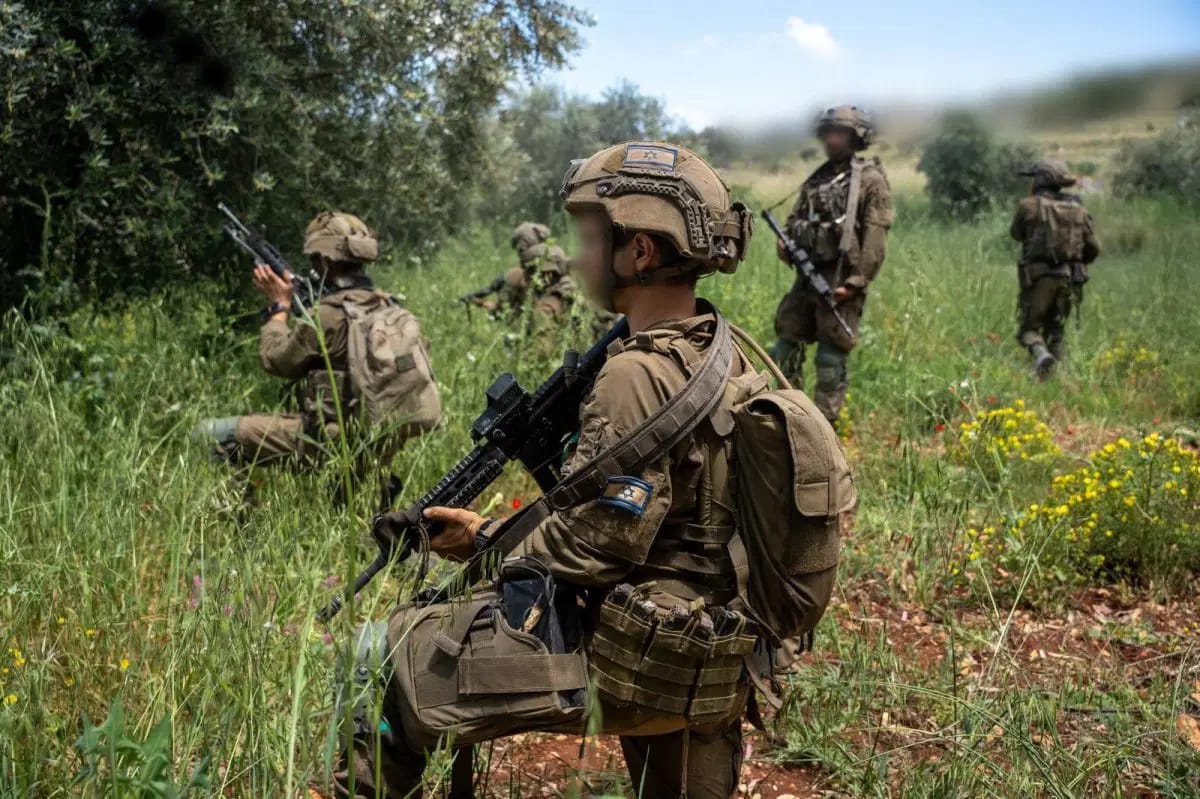
The flashpoint behind the cabinet fight was a specific incident near the village of Beit Yahoun in southern Lebanon, where a terrorist approached an IDF force and hurled a grenade. One officer was moderately wounded and three additional soldiers were lightly wounded. The force returned fire and killed the attacker on the spot.
Simultaneously, diplomatic activity in Washington continued in parallel to the internal Israeli standoff. Secretary of State Marco Rubio reported that Israel and Lebanon were converging on understandings around pilot demilitarization zones, in which the Lebanese Army would replace withdrawing IDF forces. Under the emerging framework, Israel would pull back from a limited defined area, currently held by the IDF, as a test of the Lebanese Army's ability to hold ground and prevent Hezbollah from returning. Israeli officials describe the territory in question as an area south of the Litani River that has been, in their assessment, comprehensively cleared of Hezbollah presence.
Katz, however, drew a hard line at a separate speaking engagement Thursday, stating that Israeli security doctrine requires IDF presence on enemy territory to protect Israeli communities, and that Israel would not withdraw from security zones established in Syria and Lebanon even under American pressure.
The cabinet confrontation lays bare a widening fault line between the political right, which is pushing for expanded military action, and a military leadership that is balancing operational needs against diplomatic and strategic constraints as fragile ceasefire negotiations continue.