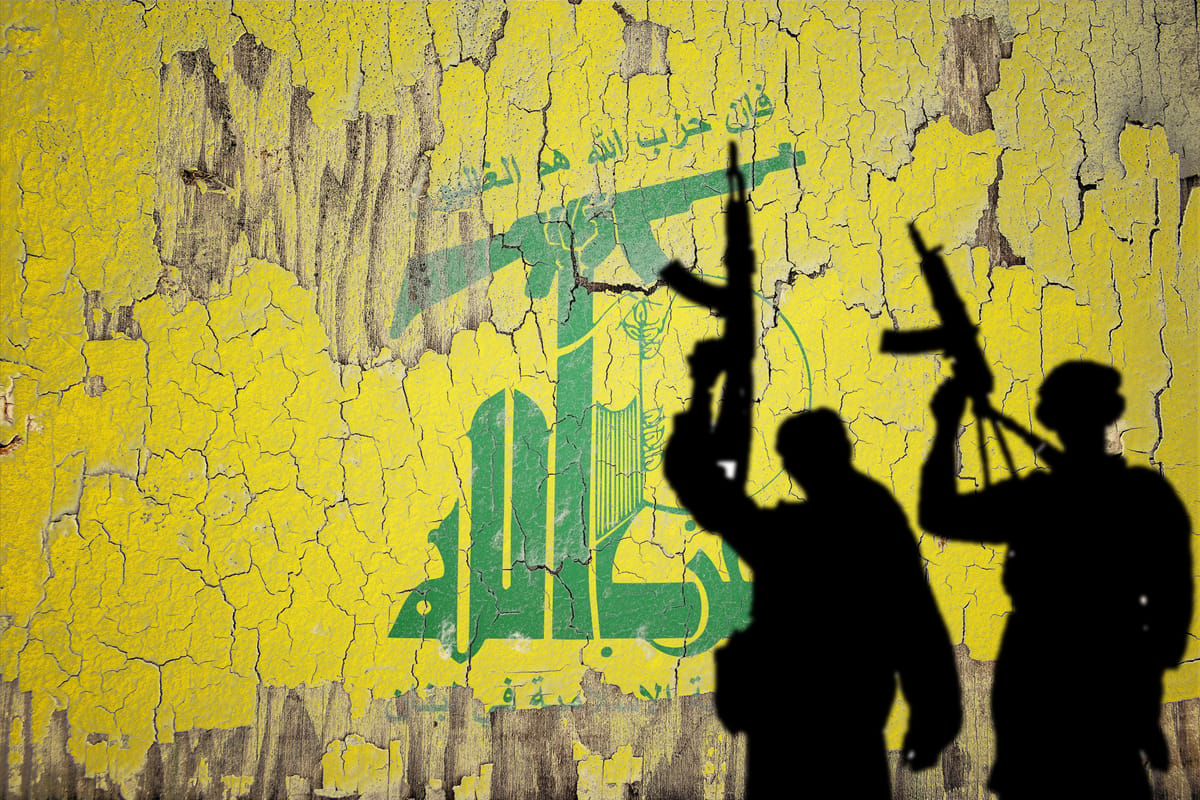
The United States, Israel, and Lebanon are conducting a coordinated financial campaign against Hezbollah, disrupting the group's funding channels and forcing it to slash the social welfare programs that have long been central to its political influence in Lebanon, according to reporting by The New York Times.
The campaign represents what analysts describe as a "quiet front" in efforts to diminish Iran's ability to project power through its proxy militias across the Middle East.
Before the war, the U.S. State Department estimated that Iran provided Hezbollah with about $700 million a year, accounting for most of the organization's roughly $1 billion annual budget. Lebanese, U.S. and Israeli officials who spoke with The New York Times said Iran had increased its financial assistance to Hezbollah over the past year.
Yet the increased Iranian support has proven insufficient to offset the financial pressure now being applied. Hezbollah is reportedly relying more heavily on informal hawala money-transfer systems to move Iranian funds through countries including the United Arab Emirates, Turkey and Iraq. The shift to informal networks represents a significant vulnerability, as these channels are far less reliable and more susceptible to disruption.
The financial squeeze is producing immediate consequences for Hezbollah's extensive social and political infrastructure. The financial strain is increasingly affecting Hezbollah's extensive social-welfare network, a key source of its influence among Lebanon's Shiite population.Hezbollah spokesman Youssef al-Zein acknowledged that the group had suspended promised compensation for supporters, citing insufficient resources to assist the hundreds of thousands of people displaced by the war.
For months leading up to the war, Lebanon's government, under pressure from the Trump administration, worked to choke off the routes that the group used to receive and move money, such as Beirut's international airport. The Trump administration supported the appointment of a new Lebanese central bank governor specifically tasked with targeting financial networks allegedly linked to Hezbollah. Lebanese authorities have launched investigations into money-transfer companies and tightened oversight of financial flows.
U.S. sanctions, Israeli strikes that have reportedly destroyed portions of Hezbollah's cash and gold reserves, and increasing restrictions on its Al-Qard al-Hassan financial institution are placing unprecedented pressure on the group, potentially threatening its ability to sustain its political, social and military influence in Lebanon.
Al-Qard al-Hassan, Hezbollah's financial arm established in the 1980s as part of the group's charitable network, has been a particular target. What began as an interest-free lending institution for Lebanon's Shiite population evolved into Hezbollah's primary financial mechanism, particularly after Lebanon's banking system collapsed in 2019. It now operates an extensive network of ATMs and gold-trading facilities.
Hezbollah has long stood as the crown jewel of Iran's proxy network, and its vulnerability signals broader strategic opportunity for Washington and Israel.The financial campaign follows the assassination of Hezbollah leader Hassan Nasrallah and months of Israeli military operations that have degraded the group's arsenal and leadership structure.
The financial pressure is forcing difficult choices for Hezbollah's leadership. Under growing pressure, Hezbollah is reportedly prioritizing military expenditures as it seeks to rebuild capabilities damaged by Israeli strikes, even as it curtails the social services that have earned it legitimacy among Lebanon's Shiite majority.
This represents a fundamental threat to Hezbollah's political model. For decades, the group operated what analysts describe as a "state within a state," providing housing, schools, hospitals, and social benefits that compensated for Lebanon's state collapse. That parallel state infrastructure has been central to Hezbollah's ability to maintain political support even during periods of military conflict with Israel.
The loss of those services, combined with the inability to pay fighter salaries at previous levels, risks eroding Hezbollah's support among the civilian Shiite population that forms its base. The group has attempted to offset this by maintaining fighter compensation while cutting other services, but the financial strain suggests this strategy is unsustainable if the campaign against its funding continues.