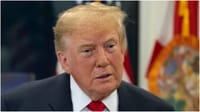
The Democrats have taken the House and the Senate, and the American voter has sent a clear signal: he opposes the war with Iran and the economic price it exacts. But does that message automatically translate into halting the strikes? The answer is far more complicated. The US Constitution grants the president enormous power as commander-in-chief of the armed forces, and the tools available to Congress are limited. The result is a constitutional deadlock in which Trump still holds the initiative.
Constitutional deadlock
Democrats win but can't stop Iran strikes
The midterms handed both houses to the Democrats, and voters made clear they oppose the war's economic toll. But the Constitution leaves Trump with sweeping powers as commander-in-chief, and Congress has few tools to force his hand.
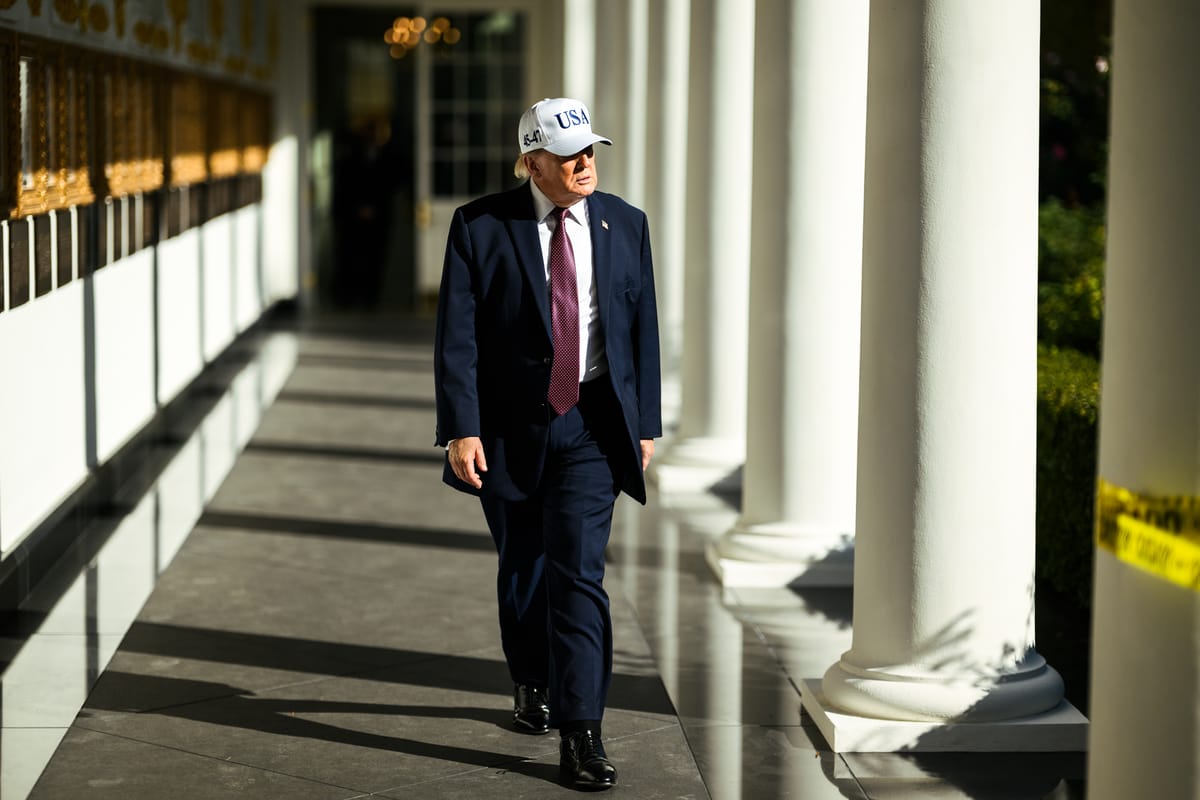
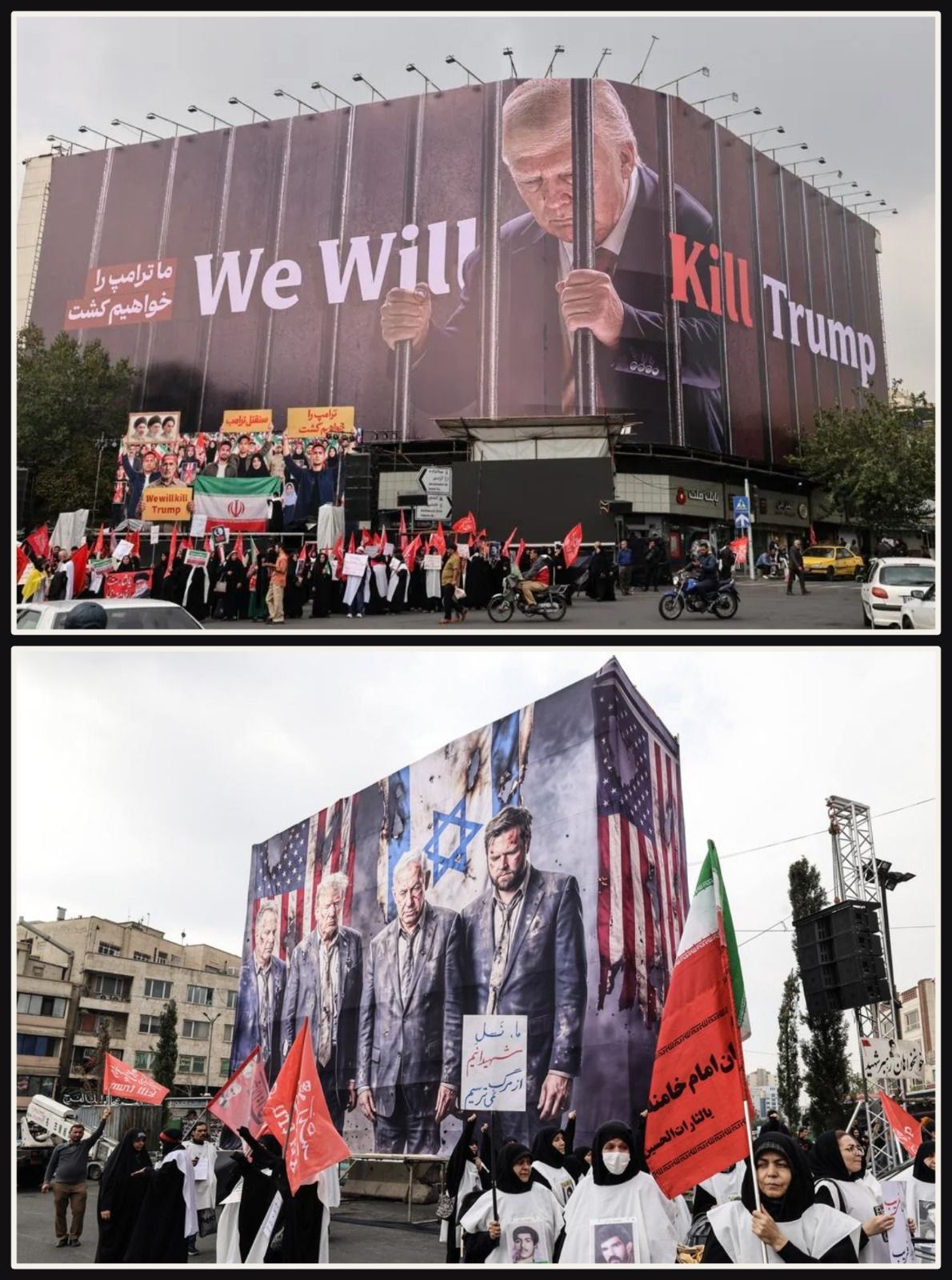
"The fuel war" and the political price the Republicans paid
Since February 2026, the Trump administration, in cooperation with Israel, has been conducting a military campaign against Iran. The fighting has included strikes on nuclear facilities, attacks on shipping routes and a partial closure of the Strait of Hormuz. The direct result has been a sharp spike in fuel prices and high inflation in the United States.
Trump himself acknowledged publicly that the Iran war is the main reason for the punishment Republicans received at the polls. Vice President J.D. Vance went a step further and pointed to relations with Israel as one of the factors driving voters away.
The American voter sent a clear message: he wants to end the confrontation and focus on the cost of living. That said, until January 3, 2027, Republicans continue to control both houses of Congress. During this transition period—the lame-duck session—Trump can continue military operations with almost no meaningful constraints from lawmakers.
Even right-wing leaders in Europe have begun to distance themselves from Trump. Jordan Bardella, leader of France's National Rally party, said that "American intervention regarding Iran is having very heavy consequences on economies around the world." Alice Weidel, leader of Germany's Alternative for Germany party, stated that the decision to launch the war with Iran is what led to the Republican defeat.
The Democrats' tools against the president's power
When the new Congress takes office, the Democrats will have two main tools: a War Powers Resolution, a 1973 law that allows Congress to order the president to withdraw forces within 60 days if he has not received formal authorization for war.
The new Congress is expected to pass such a resolution quickly. The Power of the Purse, Congress has exclusive control over the budget.
Democrats can enact a provision preventing funding for offensive military operations in Iran, or tie funding to a broader budget bill.
The Constitution and the presidential veto
Under the US Constitution, the president is the commander-in-chief of the armed forces. This authority gives him wide latitude in conducting military operations, even when Congress objects. In addition, the president has veto power over any legislation passed by Congress.
Trump has already made clear he will veto "crazy" laws that try to tie his hands. Overriding a presidential veto requires a two-thirds supermajority in both houses of Congress. The Democrats currently have a simple majority, but not a two-thirds majority.
Impeachment of the president also requires the same supermajority—which does not exist. Therefore, even if Congress passes resolutions or laws against continuing the war, Trump will be able to block them relatively easily through the veto.
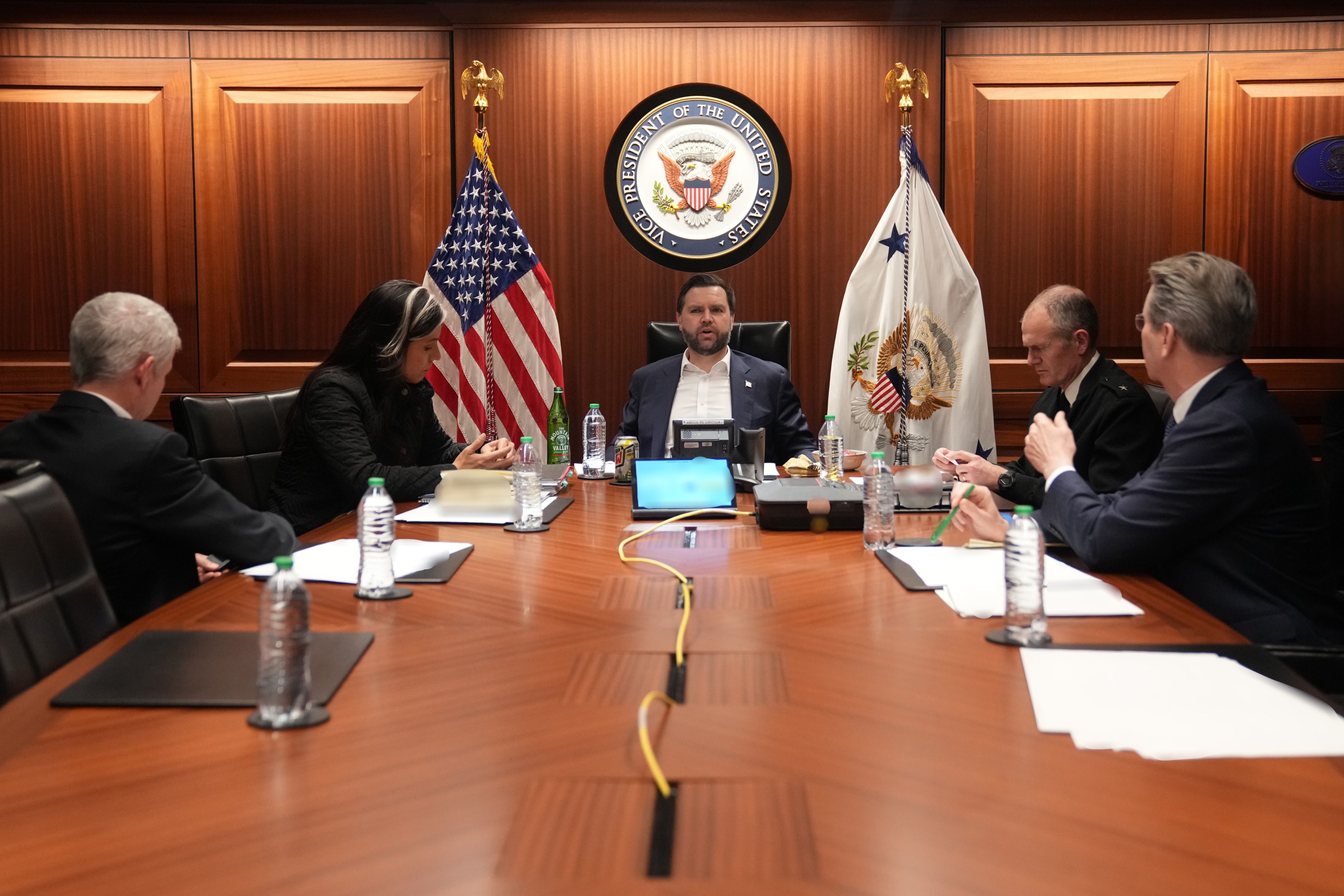
The tension between the president and Congress over wars is not new. In modern American history there are several prominent precedents. In the first Gulf War in 1991, President George H.W. Bush argued that he was entitled to act as commander-in-chief even without congressional approval, but chose to seek formal authorization. Congress approved the use of force by a very narrow margin.
After the September 11, 2001 attacks, Congress quickly passed an extremely broad authorization for the use of force. The killing of Osama bin Laden in 2011 was carried out by the Obama administration under that existing authorization, without the need for new congressional approval. In the 2003 Iraq War, President George W. Bush sought and received explicit authorization from Congress, even though he argued he had independent constitutional authority.
Other examples include the Korean War in 1950, in which President Truman sent large forces without explicit congressional approval, and the Vietnam War in which the 1964 Gulf of Tonkin Resolution gave President Johnson broad authority. In Panama in 1989, Kosovo in 1999 and Libya in 2011, presidents conducted military campaigns without new explicit authorization.
The lesson from history is clear: when it comes to a large and prolonged war, presidents prefer to get congressional approval. When it comes to limited operations or special missions, they tend to act more independently. The current case with Iran falls somewhere in between.
The reality that has been created is one of deadlock. On the one hand, the American public is clearly signaling its opposition to continuing the war. On the other hand, the constitutional system gives the president enormous power as commander-in-chief. He can continue the strikes, ignore non-binding congressional resolutions, and use the veto to block legislation.
The Democrats will be able to apply heavy political pressure, open investigations, threaten budget cuts and try to recruit moderate Republicans. But at the end of the day, as long as Trump holds the veto and the Democrats do not reach a two-thirds majority, his ability to continue the campaign remains high.
Is the reality a deadlock?
On the one hand, the American public is clearly signaling its opposition to continuing the war. On the other hand, the constitutional system gives the president enormous power as commander-in-chief.
He can continue the strikes, ignore non-binding congressional resolutions, and use the veto to block legislation.
The Democrats will be able to apply heavy political pressure, open investigations, threaten budget cuts and try to recruit moderate Republicans. But at the end of the day, as long as Trump holds the veto and the Democrats do not reach a two-thirds majority, his ability to continue the campaign remains high.
The Democratic victory in the midterm elections changed the balance of power in Washington, but did not cancel the president's powers. Trump can still continue the strikes on Iran, at least until he reaches a point where the political and economic pressure becomes unbearable.
The central question is not only legal, but political: how much is he willing to pay an additional price with the American voter, and with his allies around the world—in order to continue the campaign. The coming months will be a test of the US Constitution and the delicate balance between the executive and legislative branches, a balance that history teaches is always tense, and never final.
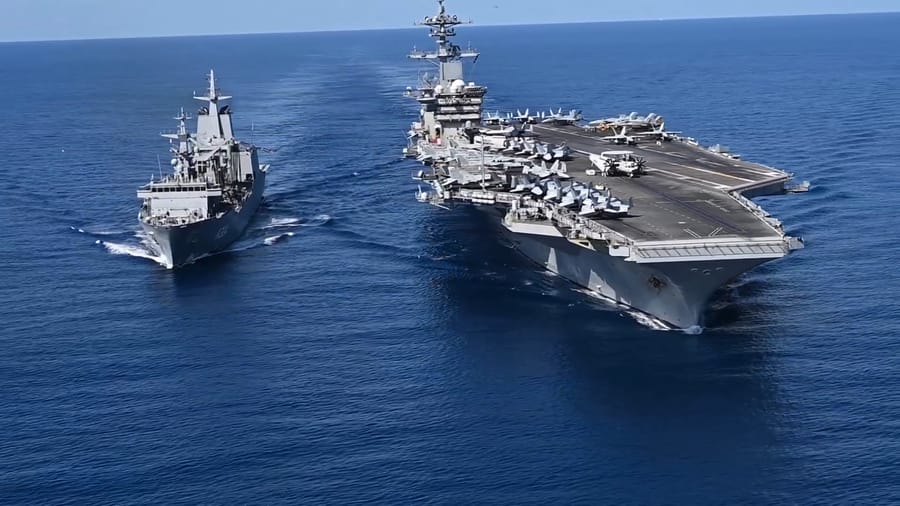
Siege on Iran| צילום: Photo: US military