Get our mobile app
Download on the App StoreGet it on Google Play

The Limits of Power

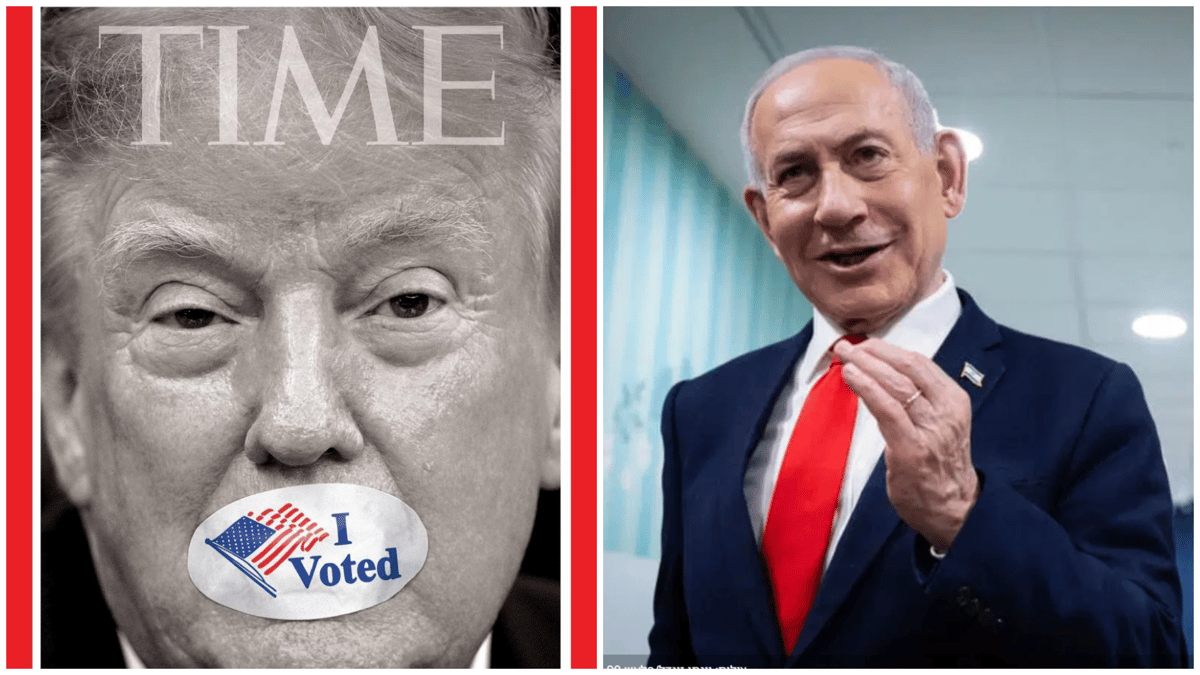
TIME silences Trump with "I Voted" sticker

The magazine's stark black-and-white cover captures the Republican collapse, but Israeli analysts miss the point: American voters went to the polls over grocery bills and broken promises, not Iran

Why Trump Lost: TIME Cover Silences Trump with "I Voted" Sticker after Midterm Debacle 

TIME Magazine published a striking cover in the wake of the Republican defeat in the US midterm elections. The cover shows a black-and-white portrait of President Donald Trump with a colourful American voting sticker reading "I Voted" covering his mouth. The photograph, taken by AFP photographer Jim Watson, quickly became one of the defining images of the day after the vote.

The visual message is blunt: the American people have spoken, and this time the one forced to listen is the president. The sticker handed out to citizens after they vote, which has become a symbol of democratic participation, is placed precisely over Trump's mouth. A single image that captures the political rout suffered by the administration.

The new issue focuses on the Democrats' plans to use the new power they have gained in Congress. The lead article, titled "Inside the Democrats' Plans to Take On Trump", is based on interviews with more than twenty Democratic leaders, strategists and members of Congress.

Among other things, the Democrats intend to work to repeal the tariffs Trump imposed, restore subsidies to health insurance programmes, address cuts to the healthcare system, and increase oversight and investigations into the administration and the president's businesses. Losing control of both houses of Congress gives the Democratic Party significant power to block White House initiatives, delay appointments and open investigations into the administration.

The results themselves were a particularly harsh blow for the Republicans. The Democrats succeeded in taking control of both the House of Representatives and the Senate, after sweeping a series of victories in states Trump won in the 2024 presidential election. This is a dramatic shift in the balance of power in Washington, which will make it difficult for the president to advance his policies in the two years remaining in his term.
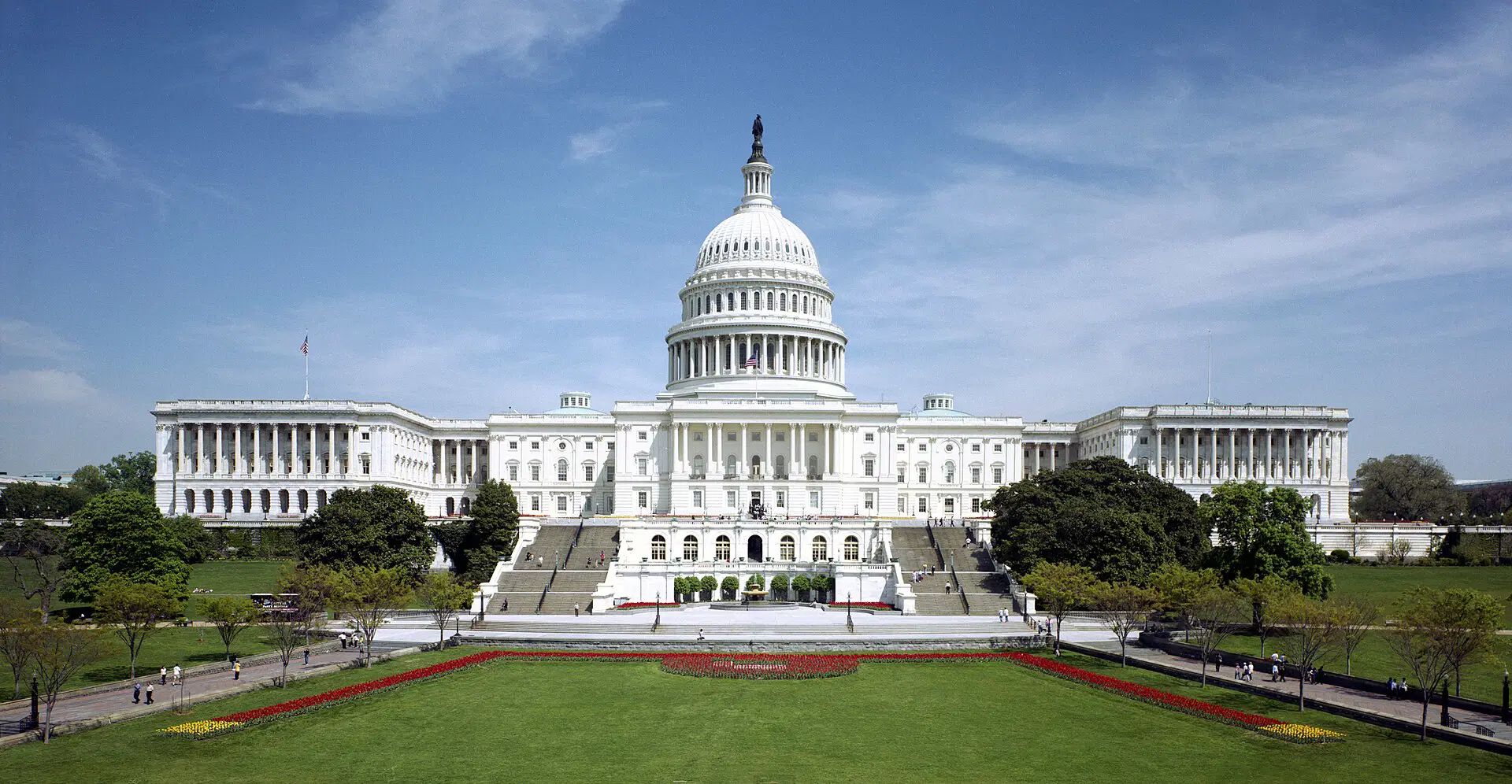
The Capitol
The Capitol (Photo: Architect of the Capitol, public domain)

While many in Israel interpret the results through the lens of Trump's relationship with Israel, American support for Israel and the war with Iran, historian Yigal Librant offers an entirely different explanation. According to him, it's a mistake to attribute the defeat primarily to foreign policy, when the main reasons lie precisely in the president's domestic conduct and the gap between his grand promises and the results on the ground.

Librant, a historian of social-political ideas and former editor-in-chief of the Shalem Academic Centre Press, wrote that the blue wave that swept the United States is first and foremost the result of the Trump administration's failures. According to him, the attempt to explain the results through American intervention in Iran is at best a partial explanation that diverts attention from the central factors.

He places Trump's economic policy, and especially the tariff war at the top of the list. Trump imposed tariffs, changed them and then cancelled or updated them again according to his decisions, in a way that created uncertainty among companies and entrepreneurs in the United States and around the world. Librant argues that this policy damaged long-term economic planning and burdened American consumers, precisely at a time when the cost of living is one of the central issues occupying voters.

Alongside this, he points to the gap between Trump's promises and his ability to deliver them. For example, the president promised to achieve a peace agreement with Russian President Vladimir Putin within hours of his return to the White House, but the promise was not fulfilled. Relations with European allies and the confrontation with Canada also became, according to Librant, part of the picture of an administration that generates great expectations but struggles to deliver the goods.

Iran, too, which has become a central issue in political discourse in Israel, is not in his view the main explanation for the loss. Librant argues that American voters are primarily troubled by domestic problems in the country, including fuel prices, immigration policy and the conduct of the ICE immigration enforcement agency. According to him, Trump promised dramatic achievements against Iran, but instead of presenting a clear decision he continued to linger in an attempt to reach an agreement he failed to achieve.

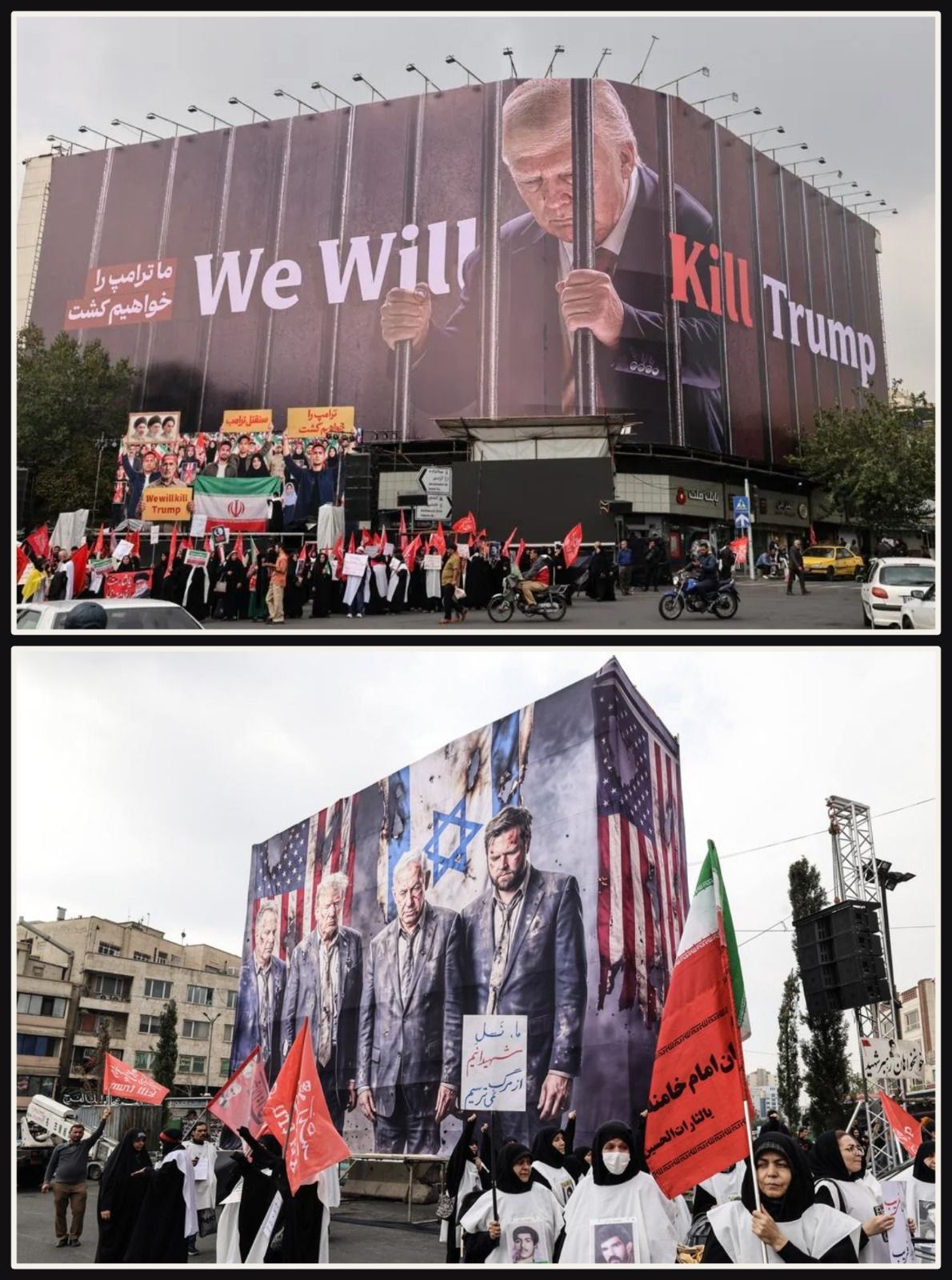
Signs in Tehran this morning
Signs in Tehran this morning (Photo: social media)

The gap between how the elections are perceived in Israel and the priorities of the American citizen is one of the central issues emerging from the results.

When an American family is dealing with high food prices, expensive fuel and economic uncertainty, questions relating to Israel and the Middle East are not necessarily the first thing that determines its vote. Even when the president maintains close ties with Israel, this is no guarantee that the public will give his party support in congressional elections.

This does not mean that the war in Iran or relations with Israel did not affect some voters, but that the attempt to explain the entire defeat through them misses the broader picture.

Other commentators also point to an important historical aspect: the loss of the president's party in midterm elections is not an unusual phenomenon in American politics. Since the end of the Cold War the phenomenon has become particularly common, with the sitting president usually losing control of the House of Representatives and sometimes the Senate as well.

Midterm elections are held two years after the presidential election, and traditionally they serve as an opportunity for the public to express its satisfaction or dissatisfaction with the sitting president. Often the party that won the presidential election pays a political price in the next election, as voters seek to balance political power in Washington.

But this time it is something bigger than the usual pendulum swing. The Republicans recorded losses even in states considered conservative strongholds, including Texas, South Carolina and Kansas, where the Democrats achieved a particularly significant result in the Senate race.

According to them: this is "the sin of Trumpism's hubris". Trump and his supporters believed they could continue to operate without limits, make far-reaching promises and avoid accountability for their failures. But the American public proved that even a president with enormous political power has limits.

The current defeat does not end Trump's term, but it dramatically changes the terms of the political game in Washington. The president will be forced to deal with a Congress controlled by his opponents, while the Democrats are already preparing to use their new power to block his policies and investigate the conduct of his administration.

Ready for more?

Join our newsletter to receive updates on new articles and exclusive content.

We respect your privacy and will never share your information.

Enjoyed this article?

Yes
No
Follow Us:

Unmissable content


Loading comments...

Also of Interest