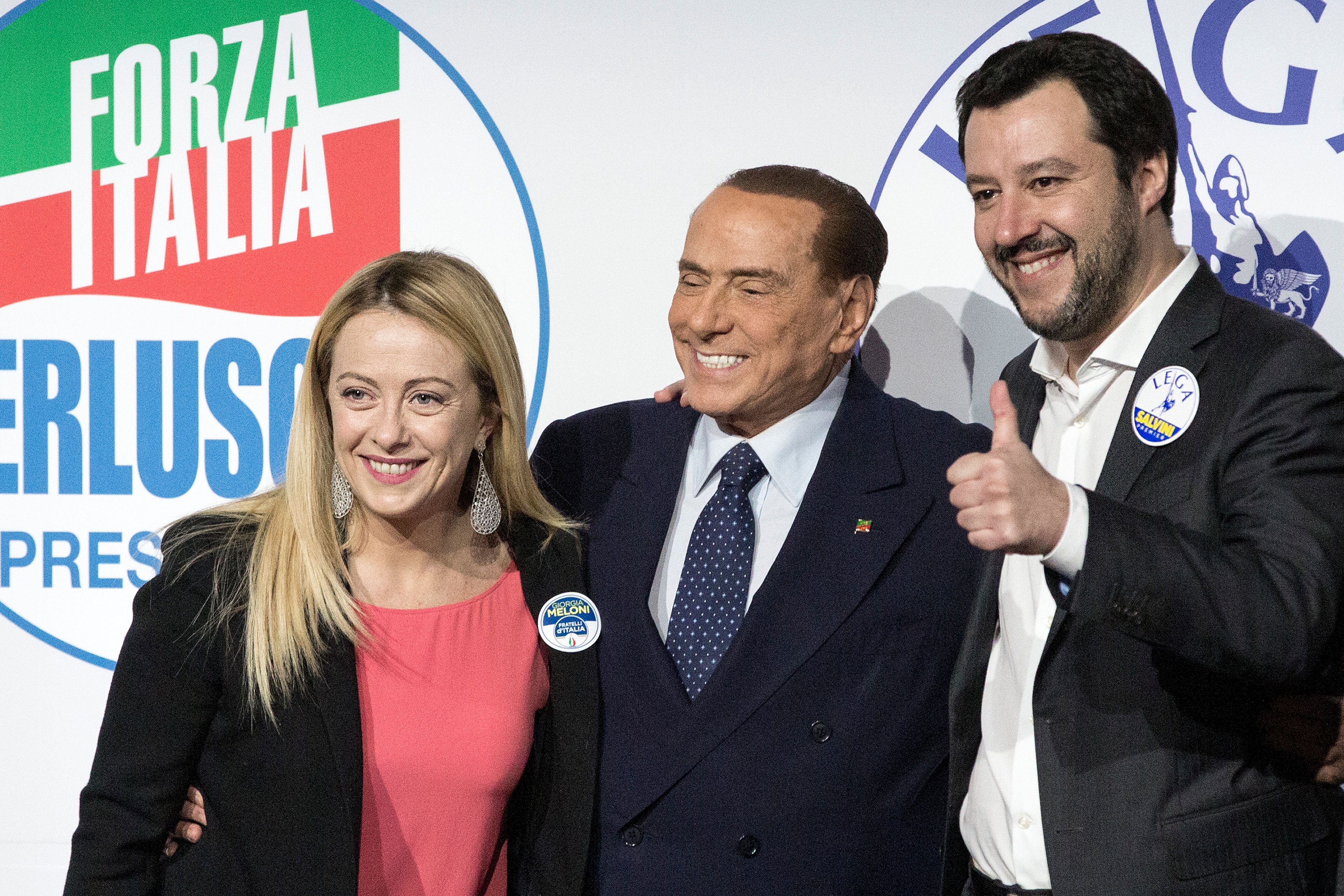
Similar criticism was heard in Italy. Matteo Salvini, leader of the League party, said that "the results in the US were influenced first and foremost by the wars, by international tensions and by the rise in the cost of living, the consequences of which fall directly on families. The hope is that this vote will lead to an acceleration in ending the conflicts and a return to peace."
In a similar vein, Rupert Lowe, leader of Britain's Restore Britain party, wrote: "The Iran war was a catastrophic mistake. What did this war achieve? Nothing of value, absolutely nothing."
These statements mark a clear shift in direction. European right-wing leaders, who saw Trump as a model to emulate and an ideological partner, now understand that closeness to him could become a political liability, especially against the backdrop of rising energy prices and inflation attributed to the war.
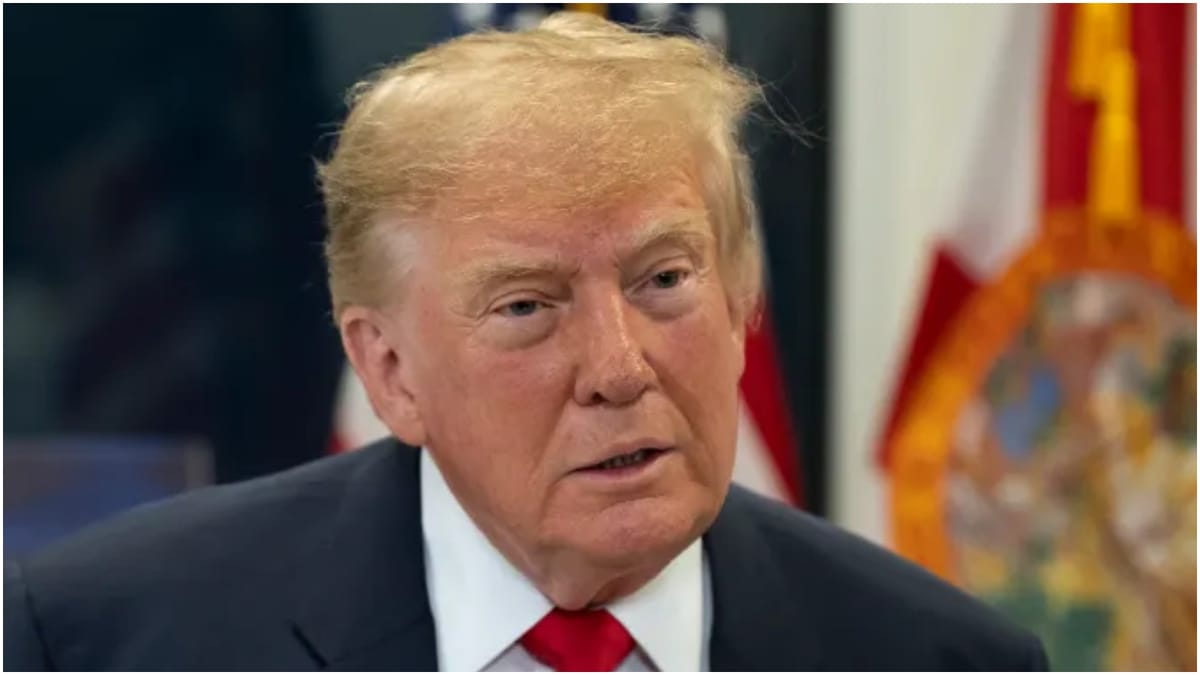
Trump himself acknowledged that the Iran war affected the election results, but made clear he stands behind the decision. His son, Donald Trump Jr., posted full support for Vice President JD Vance, who pointed to the war as a central factor in the defeat.
The coming days will clarify whether this is merely a temporary distancing, or a deeper shift in relations between the European right and the American president.