Whatever the diplomats are calling it, the Israeli military isn't using the word ceasefire.
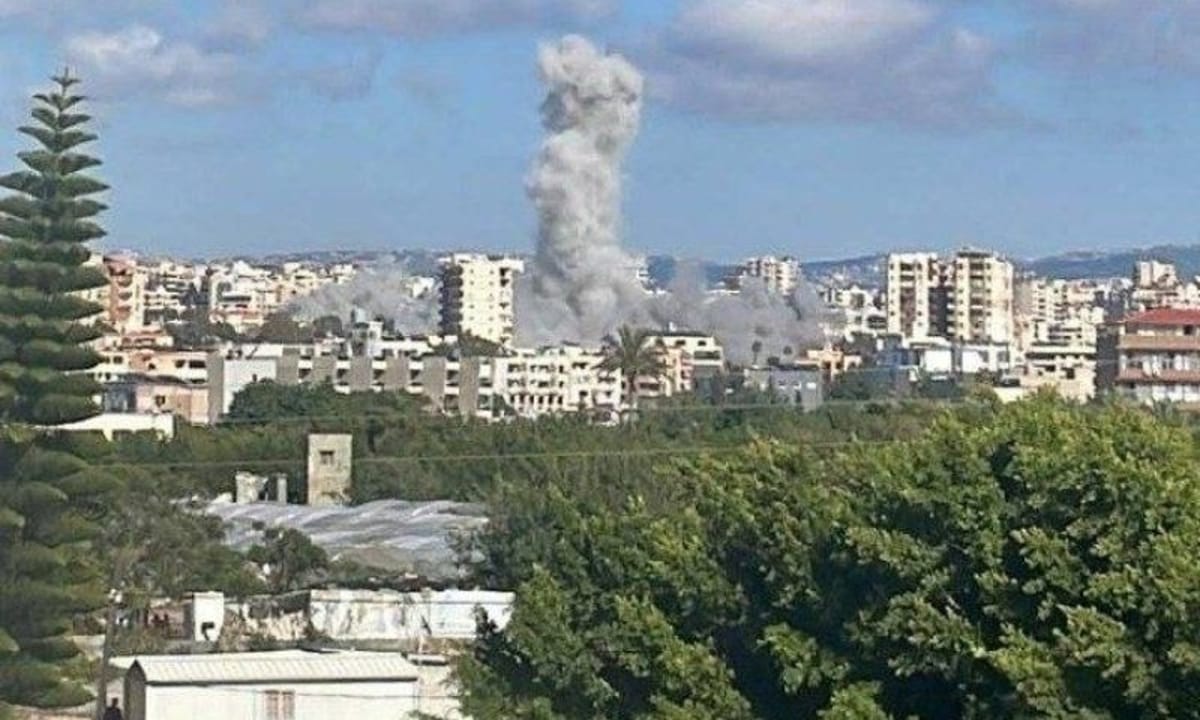
Three weeks after a halt to hostilities was announced, three IDF divisions remain actively operating in southern Lebanon, systematically dismantling Hezbollah's infrastructure. Northern Command has made its position explicit, telling troops and the public alike: "We are at war."
The operational numbers back that up. Since the campaign began, approximately 8,000 Hezbollah fighters have been killed and roughly 10,000 wounded, casualties that the IDF says are steadily eroding the organization's combat capacity. What makes the figures starker is this: around 800 of those fighters were eliminated during the three weeks of the supposed ceasefire alone.
A Pause in Name Only
Israeli military officials are not hiding the contradiction. They acknowledge that direct fire on northern Israeli communities has largely stopped — but they are equally clear that this quiet is temporary, and that residents of the north cannot yet safely return to their homes.
The army's stated objectives remain unchanged from the campaign's outset: establishing an improved defensive line, eliminating the anti-tank and rocket threats that have kept northern communities evacuated for months, and creating the operational conditions necessary for Hezbollah's disarmament.
On that last point, the IDF is notably blunt. "It is clear that the Lebanese army or the Lebanese government will not be the ones to disarm Hezbollah," a military source said. "The IDF is the only one that can do that, and that is why we are operating in these days and these hours, to achieve as much as possible."
The statement amounts to a public acknowledgment that Israel does not expect the diplomatic track to deliver what it needs. While negotiations continue at the political level, aimed at severing the operational axis between Hezbollah and Iran, the military says it is not waiting on those talks and is continuing its own work on the ground regardless.
Drones, Fatigue, and Rotation
The campaign is not without its costs. Northern Command officials acknowledge that commanders and fighters are exhausted after months of sustained combat. Large-scale rotation cycles have recently been conducted to restore units to fighting readiness ahead of what the military is signaling could be an intensified next phase.
A new tactical challenge has also emerged: drones. The IDF says it is deploying daily countermeasures including specialized capture nets that have already intercepted dozens of unmanned aerial vehicles, electronic neutralization equipment, and fragmentation rounds and hunting rifles that have proven only very slightly effective in recent weeks.
The Larger Picture
The IDF's posture reflects a broader Israeli calculation: that the diplomatic window now opening around the U.S.-Iran framework deal may close before Hezbollah is neutralized, and that whatever agreement ultimately emerges, it will not do the disarmament work that only military pressure can accomplish.
For the residents of northern Israel, tens of thousands still displaced from their homes, the ceasefire has brought neither return nor resolution. The army's message to them, implicit in every briefing, is that the work is ongoing, the goals have not changed, and the quiet should not be mistaken for the end.