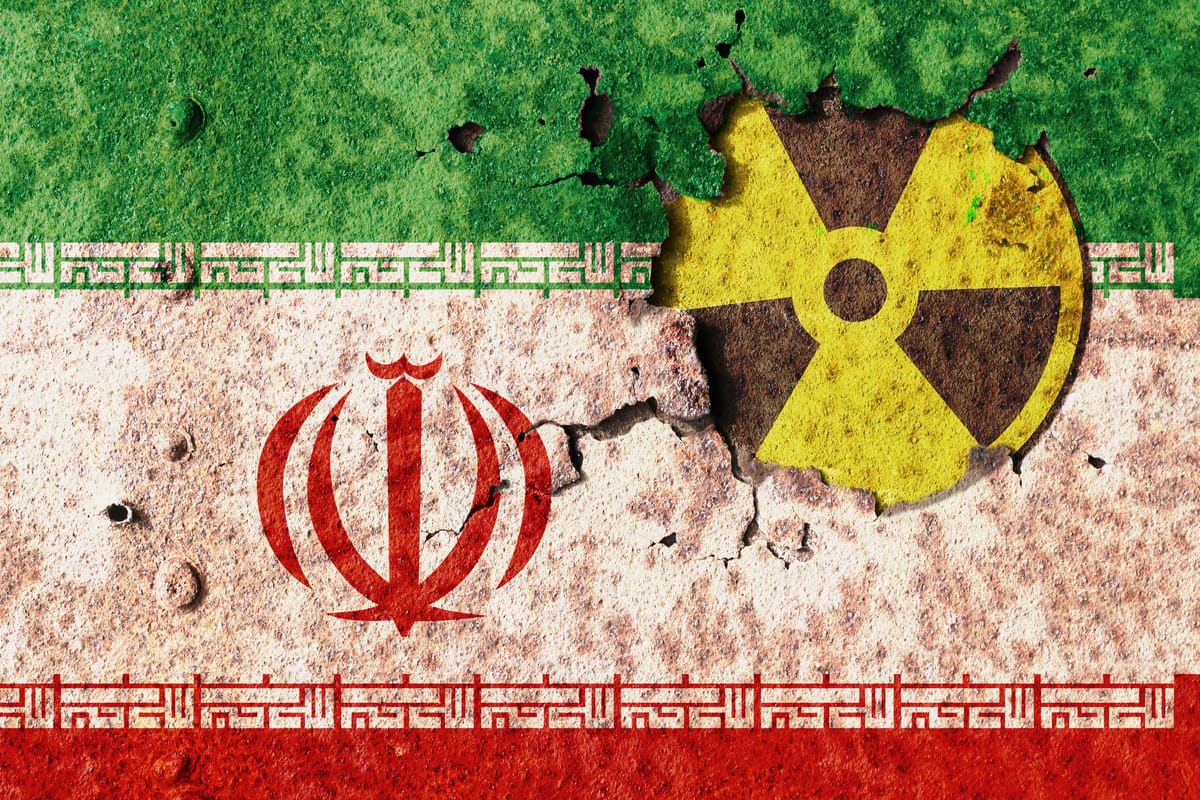
During a visit to Iran's Atomic Energy Organization, Ali Shamkhani, a top political adviser to Iranian Supreme Leader Ali Khamenei, said that Iran has never sought nuclear weapons and never will, according to Iran International.
Iran has consistently denied that it intends to develop nuclear weapons, even as it has enriched uranium and engaged in other nuclear development which multiple western countries - including the United States, Britain, France, and Germany - view as relevant only for nuclear weapons development.
Iranians often cling to a fatwa ostensibly issued by Supreme Leader Khamenei and his repeated statements that building and possessing nuclear weapons is absolutely "haram" or forbidden under Islamic law.
However, some say that this is merely an advisory and not binding as a matter of religious jurisprudence, and there is some evidence that some within Iran have been pressuring Khamenei to rescind this order.
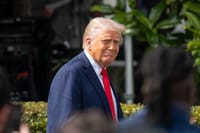
President Donald Trump and his administration have promised to restore the "maximum pressure" sanctions imposed on Iran during his first term to deter nuclear weapons development and further funding of proxy terrorist armies throughout the region.
Trump has shown an aversion to approving a military strike on Iran's nuclear facilities, either a joint US-Israel strike or an Israeli strike supported by the US. He said that it "would be nice" if Iran could strike a deal with the United States over nuclear weapons without requiring a strike.