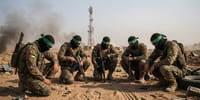
The Israeli Defense Forces completed a somber reckoning with one of the darkest chapters of October 7, 2023: the brutal assault on Kibbutz Nahal Oz. The operational investigation, a months-long probe into the battle that unfolded just 850 meters from the Gaza border, was presented to the kibbutz community, the families of hostages still held in captivity, and the bereaved relatives of those lost. Summarized by Chief of General Staff Lt. Gen. Herzi Halevi and delivered to Defense Minister Israel Katz, the findings paint a stark picture: the IDF failed its mission to protect the kibbutz. Yet amidst systemic collapse, the courage of civilians and a handful of defenders turned the tide against an overwhelming enemy. This is the story of that day—its failures, its heroism, and the scars it left behind.
A Quiet Kibbutz Under Siege
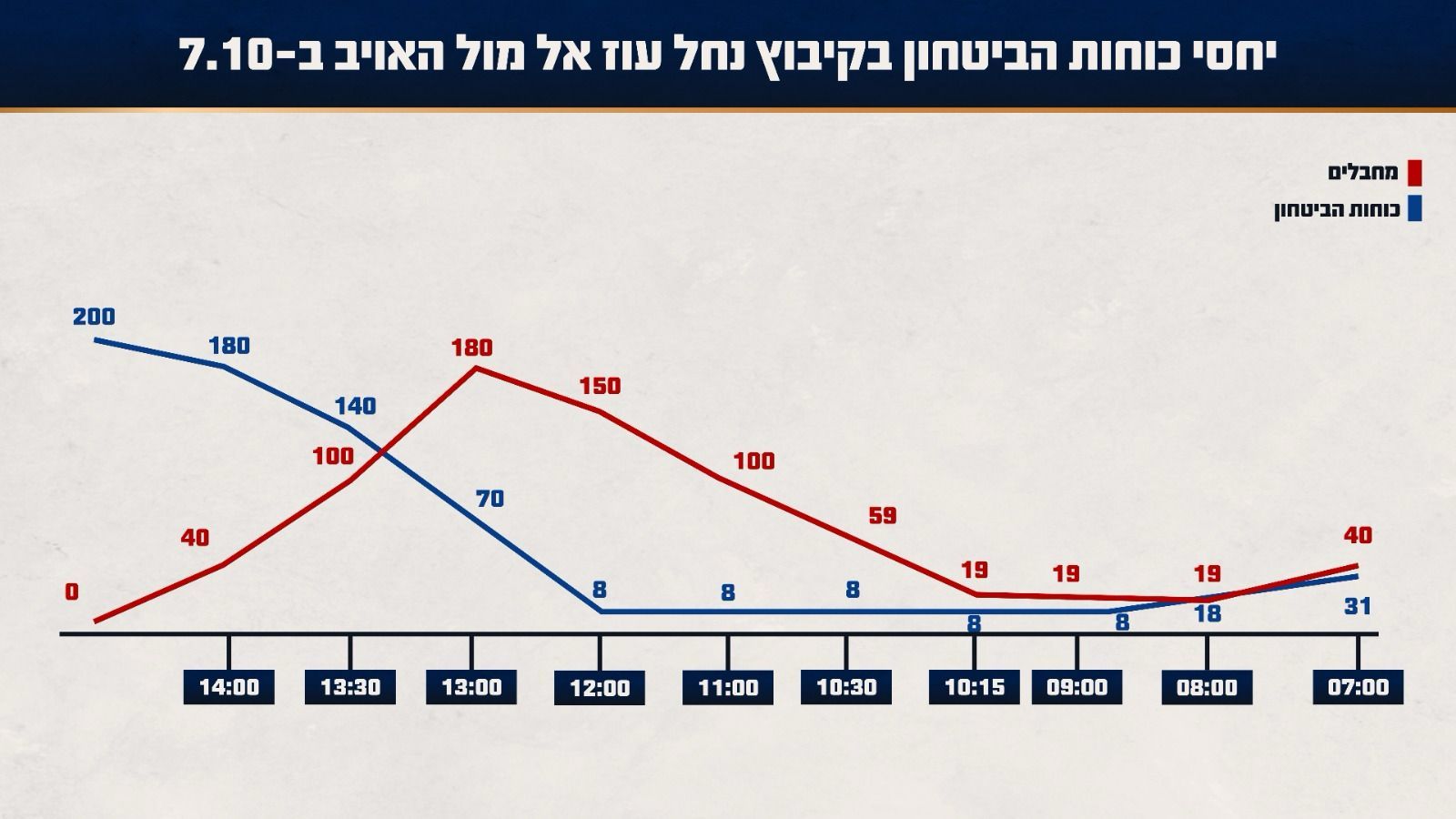
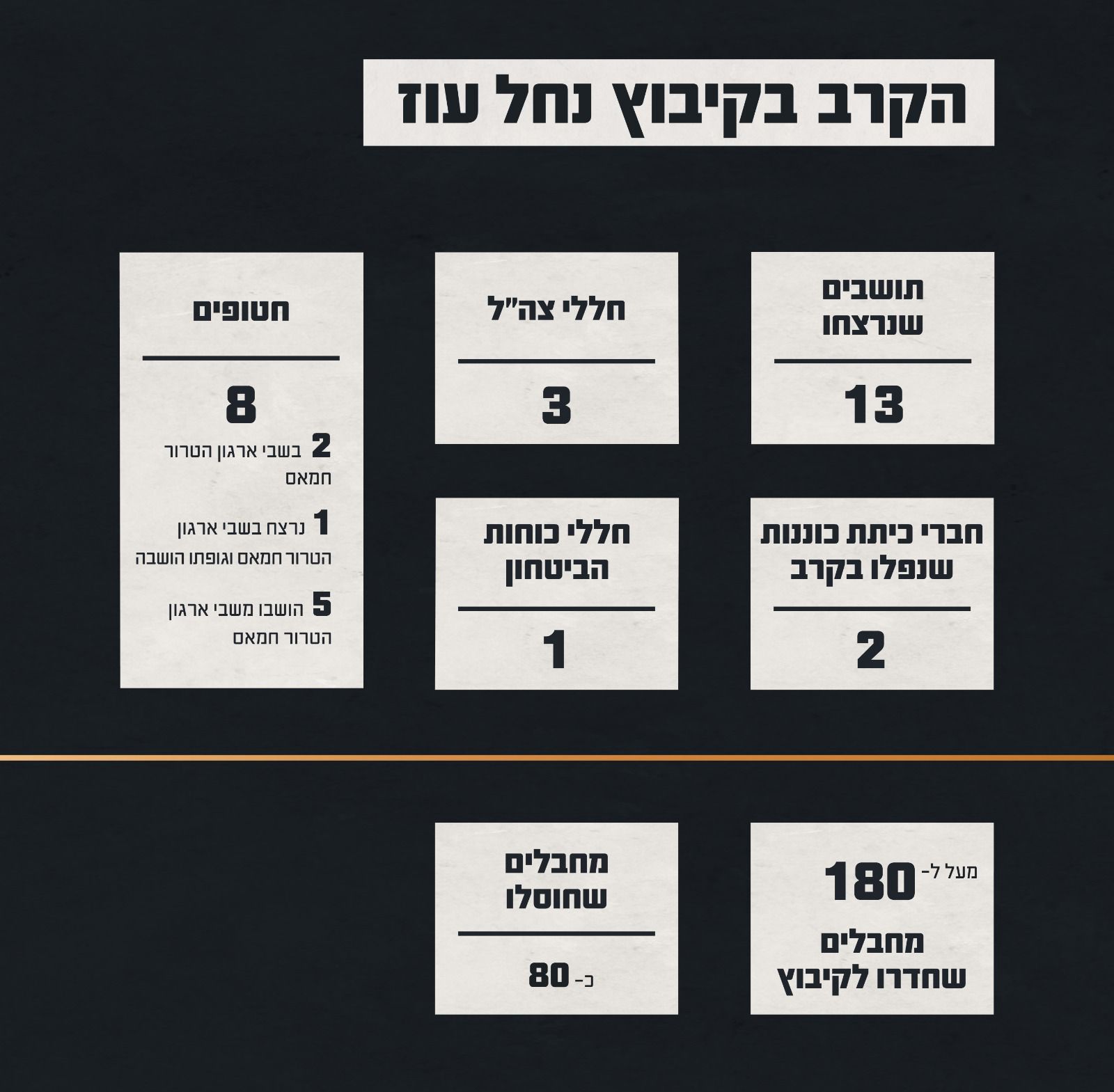
Nahal Oz, a small agricultural community in Israel’s south, woke to a nightmare at 06:29 on October 7, 2023. Hamas unleashed a barrage of rockets across the region, the opening salvo of a meticulously planned assault. Within minutes, over 180 terrorists breached the border fence through four routes in the Nahal Oz sector, descending on the kibbutz with vehicles, motorcycles, and on foot. The attack was part of a broader offensive that saw thousands of militants infiltrate dozens of sites simultaneously, catching the IDF off guard.
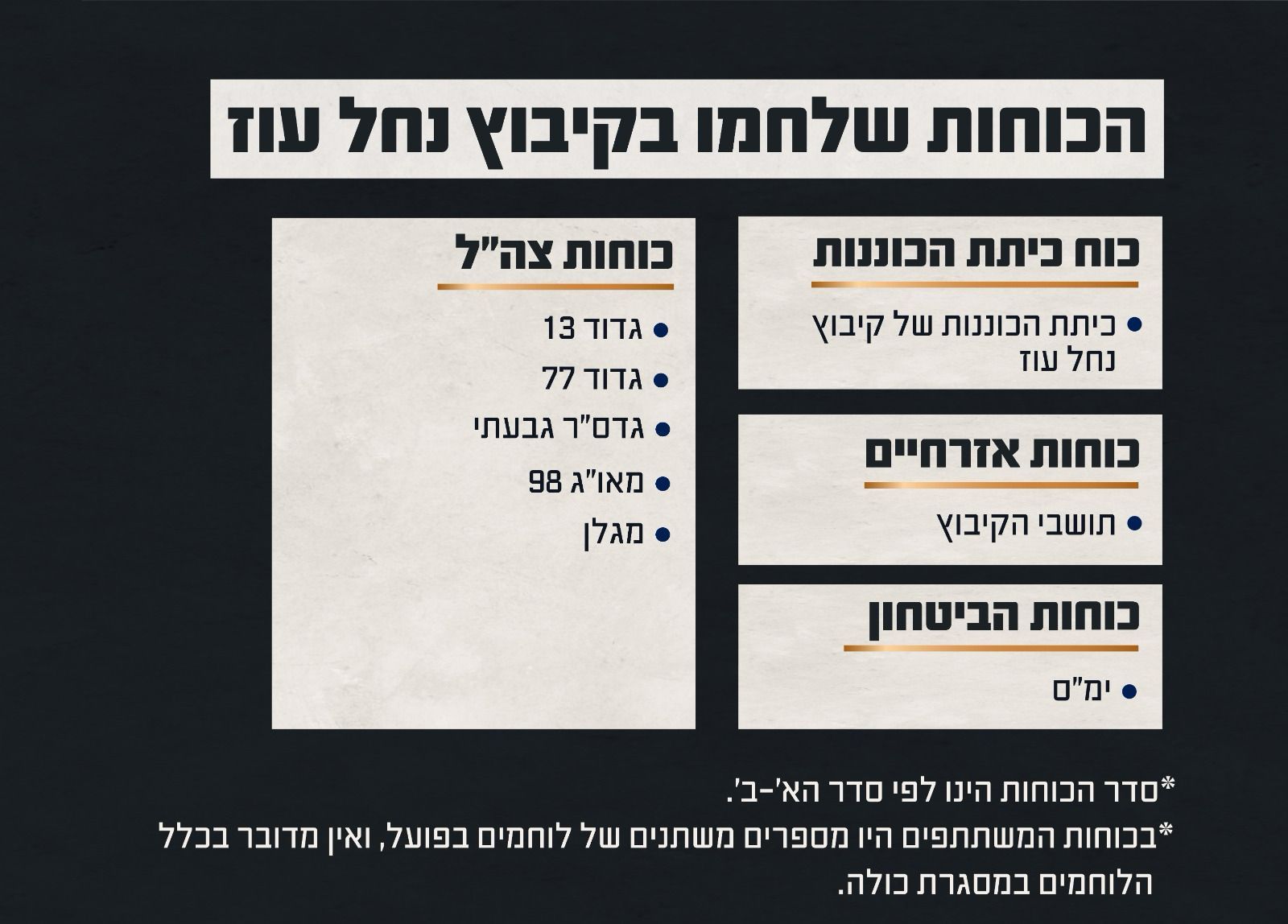
The kibbutz, home to a tight-knit community, was defended that morning by a skeleton crew: the 13th Battalion of the Golani Brigade, its support company stationed as a reserve force at “Old Be’erot Yitzhak,” and an 11-member team from the Southern Border Patrol Unit (Yamas) positioned to handle border disturbances. At 05:30, the battalion had assumed a “dawn alert” posture—a routine precaution. But by 06:43, as reports of terrorists crossing into Israel reached the kibbutz security coordinator, the reality became clear: this was no routine skirmish but a full-scale invasion.
The investigation, led by Col. (Res.) Yaron Sitbon and a team of reservists—Maj. Oren Levi, Maj. Tzuriel Avivi, Sgt. Maj. Eran Kreisberg, Sgt. Tal David, and Sgt. Adi Kahlon—reconstructed the chaos through thousands of data points. Radio recordings, resident communications (shared with consent), terrorist interrogations, visual footage, and field reconstructions formed a mosaic of a day when preparation faltered, but human resolve held firm.
The First Wave: A Desperate Stand
By 06:43, the reserve force alerted the kibbutz that Hamas fighters were advancing. Ordered to defend Nahal Oz, they raced to the scene but found the main gate locked due to a power outage—a harbinger of the disarray to come. Redirecting to a northwestern berm, they clashed with terrorist squads at close range. Tanks from the Nahal Oz outpost rolled out, one engaging enemies on motorcycles and vehicles, destroying some, while another joined the support company amid resistance.
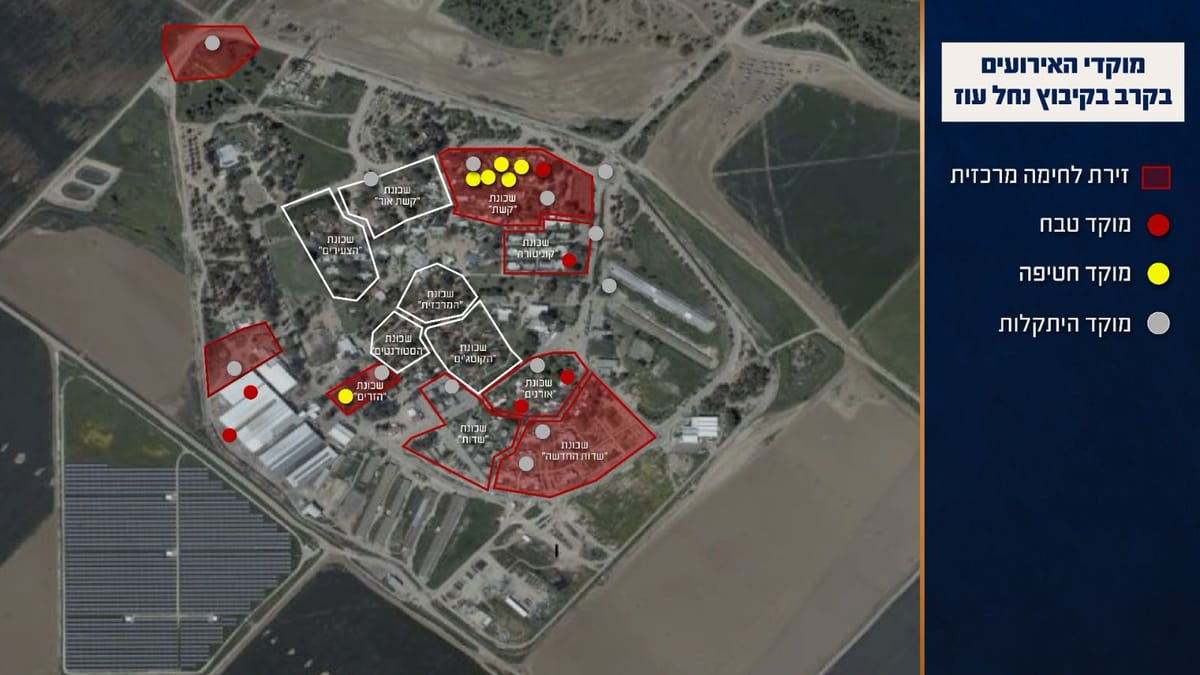
At 07:05, the first terrorists breached the kibbutz from the south, near the rear gate, targeting the dairy farm. The kibbutz security coordinator (Ravshatz) spotted them advancing toward the “New Fields” neighborhood and relayed their position to the Yamas team. But a critical flaw emerged: the armory was locked due to the blackout, and only the Ravshatz held the code. Fighting alongside Yamas, he couldn’t summon the rapid response team, leaving the kibbutz’s civilian defenders disarmed.
Yamas fighters split up—six engaging terrorists outside the fence, five rushing to join the Ravshatz. By 07:15, the enemy reached “New Fields.” In the ensuing firefight, the Yamas team neutralized numerous terrorists, but at a cost: the unit commander fell, the Ravshatz was killed, and the remaining fighters sustained injuries. Elsewhere, a kibbutz member was murdered in her safe room. Despite the losses, this initial resistance—bolstered by the rapid response team once armed—halted most of the first wave by 10:00. The investigation credits this stand with disrupting Hamas’s plans, a testament to the defenders’ grit against staggering odds.