Tel Aviv Freezes Mikvah Construction After Anti-Religious Campaign by Secular Activists
Municipality caves to pressure from secular residents, halts ritual bath project in northern neighborhood • Rabbi faces $250,000 fine for operating Torah study center | Religious leaders: 'What Jews died for in Soviet Russia is now banned in Tel Aviv' (Israel News)

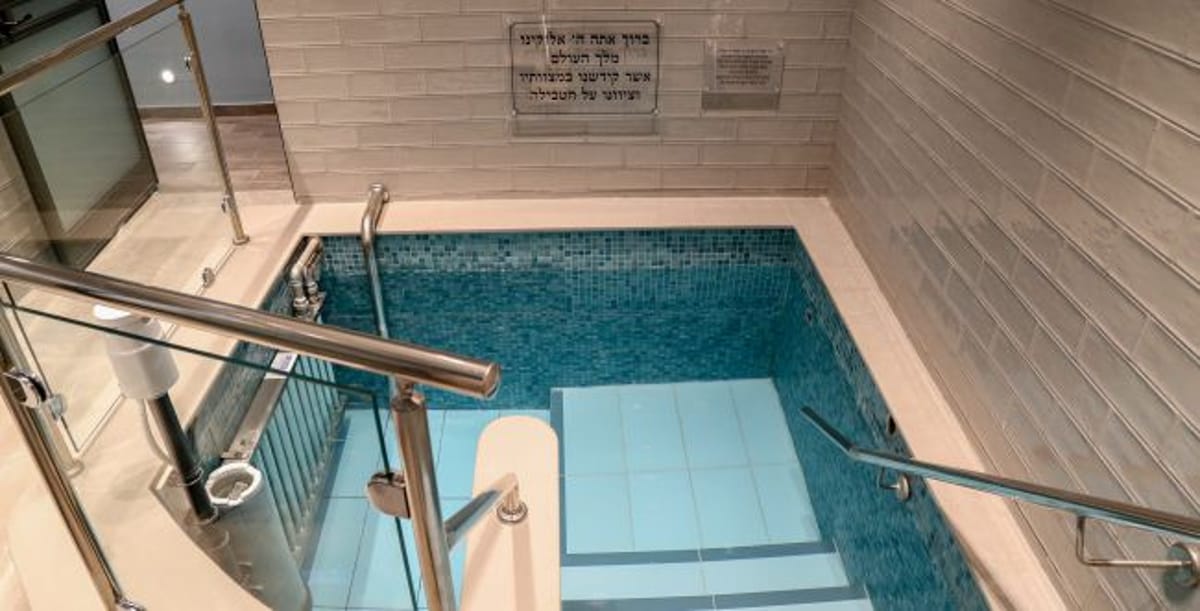
Tel Aviv Municipality has frozen construction of a planned mikvah (ritual bath) in the upscale Ramat Aviv neighborhood following an aggressive campaign by secular activists, marking what religious leaders are calling an unprecedented assault on Jewish religious practice in Israel's largest city.
The mikvah, intended to serve thousands of religious, traditional, and observant secular women in northern Tel Aviv, became the focal point of a bitter communal clash after a small group of residents, backed by the anti-religious organization Hadash and a city council member, mounted a campaign to block the project.
In a parallel move that religious officials describe as draconian, the municipality issued a cease-and-desist order against a Torah study center (kollel) operating in a local shopping complex. The order threatens the rabbi running the facility with a fine of 250,000 shekels (approximately $70,000) if Torah study does not cease within 35 days, citing "unauthorized use of property."

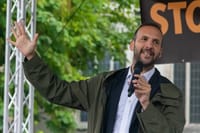
The city council member leading the opposition campaign publicly celebrated the municipality's capitulation, claiming the moves were necessary to "preserve the neighborhood's character" and maintain its "secular-liberal identity" against what she characterized as attempts to alter it.
Officials at Tel Aviv's Religious Council expressed shock and dismay at the decision. They emphasized that the mikvah represents a basic public service, not religious coercion, and was planned in response to direct appeals from neighborhood women for whom ritual immersion is an essential part of Jewish observance.
"The mikvah was meant to replace a facility that previously operated in the area and was demolished," sources at the Religious Council stated. "This is about providing a service that women in the community have explicitly requested and need."
Historical Irony: What Soviet Jews Risked Their Lives For
Religious officials noted the bitter historical irony of the situation. "A few politicians, seeking to collect votes in elections, chose to take a sacred project of ritual purity and turn it into a focal point of hatred and social friction. It's a genuine disgrace," sources close to the Religious Council declared.
"Things that our ancestors in Soviet Russia risked their lives to establish — building mikvahs in secret under threat of imprisonment — are now being blocked by people in the heart of the Jewish state," they added. "It's shameful."

The controversy highlights Tel Aviv's dramatic transformation from its post-Holocaust era, when the city served as a center of Jewish religious life. Following World War II, many leading Hasidic rebbes and Torah scholars chose to establish their communities in Tel Aviv, viewing it as a purely Jewish city free from churches and Christian institutions.
The late Belzer Rebbe, Rabbi Aharon Rokeach, famously explained his decision to settle in Tel Aviv by noting it was a Jewish city without non-Jewish houses of worship. In his final years, however, even he relocated from the city as its character shifted.
Today, not a single major rabbinic leader lives in Tel Aviv. The city's trajectory, from hosting communities that once built mikvahs under persecution to blocking them in the Jewish state, reflects a broader cultural shift that religious leaders find deeply troubling.
The decision comes amid a broader pattern of tensions between religious and secular communities in Tel Aviv, including previous disputes over religious events and public observance of Jewish holidays in the city.
Religious Council officials indicated they would continue seeking solutions to provide mikvah access for women in northern Tel Aviv, while legal experts suggested the massive fine threatened against the Torah study center could face constitutional challenges on religious freedom grounds.