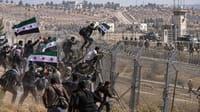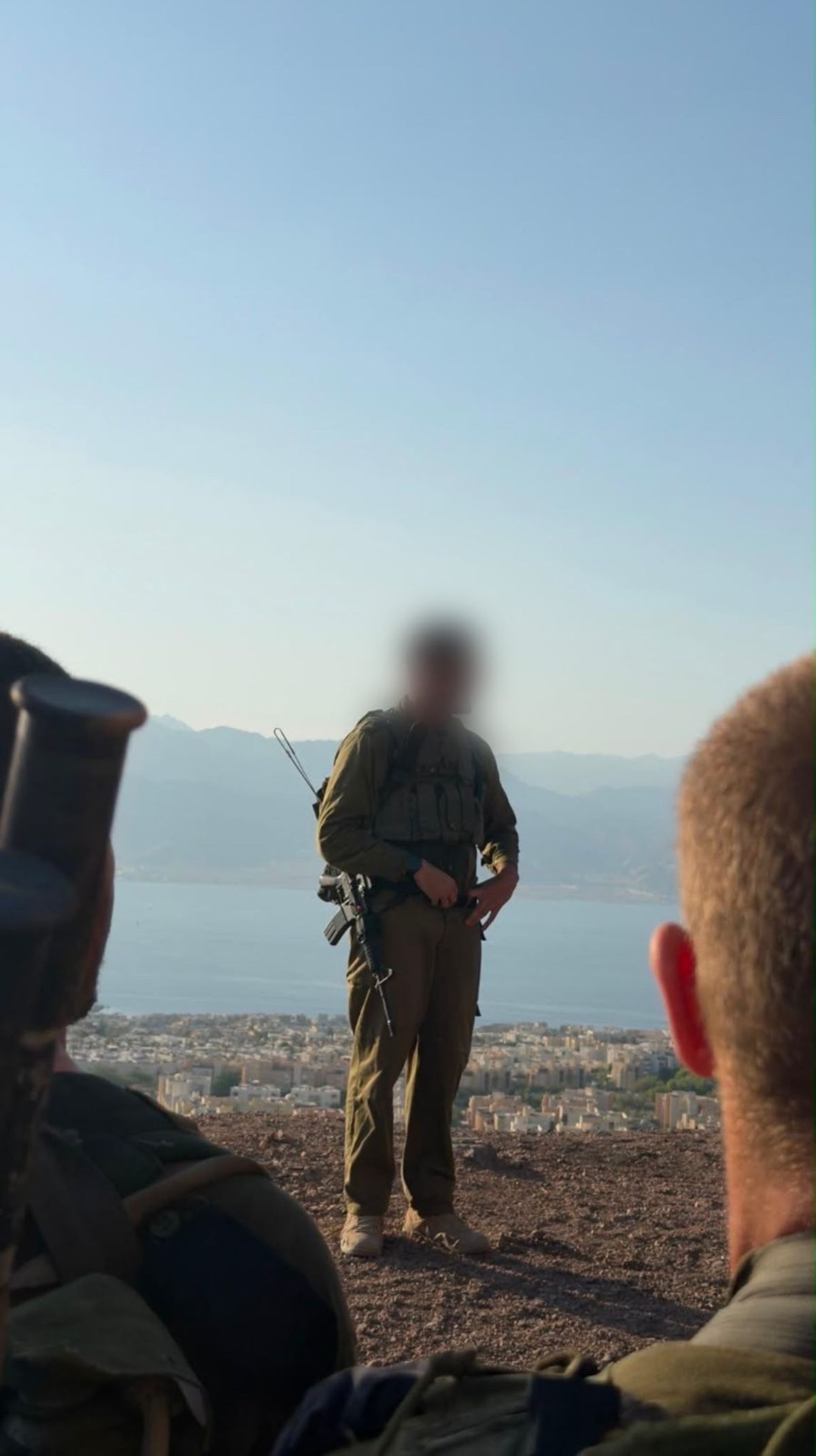
Three years after the brutal battle at Zikim beach in which 19 civilians were murdered, we sat down with Major A., a commander in the Navy's commando training unit, who was there on the morning of Simchas Torah, just two weeks after completing his previous posting.
When we asked where October 7 found him, Major A. recounted: "I was home after a flight from abroad and was called up along with quite a few of my colleagues because I was one of the more experienced commanders. We were rushed to Zikim beach."
We'll return to that morning shortly, but first I want to look forward.
"First, looking back, the entire army failed that morning, and we did too. Categorically," Major A. insisted. "But if I look at the process going forward over three years of war, I think we've managed to achieve significant things during this period. I mean in terms of the Gaza Strip throughout this entire time. I look at the generation arriving today with tremendous desire and courage to be commanders, and it's exciting and impressive to see that despite the heavy losses during the fighting. I believe in the nation and see the young generation coming to contribute and give of themselves. And that's not obvious after such a difficult period in Israeli society."
You've been in the Dvora system the whole time. Today, when you look at the submarines, what advantage and values do you see in service aboard this vessel?
"I think it's the most meaningful and best service as a combatant. It's a small craft of just over 27 meters. About 10-12 men live on it, and no matter if they woke up on the wrong side of the bed in the morning, they have to live together closely and tightly for the next 72 hours. It's an amazing place that speaks volumes about family, friendship, values, and living side by side, doing things for one another without expecting anything in return. I'm setting aside for a moment all the power it has as a vessel and fire platform, even though it's among the smallest in the Navy, it's among the most amazing in my eyes."