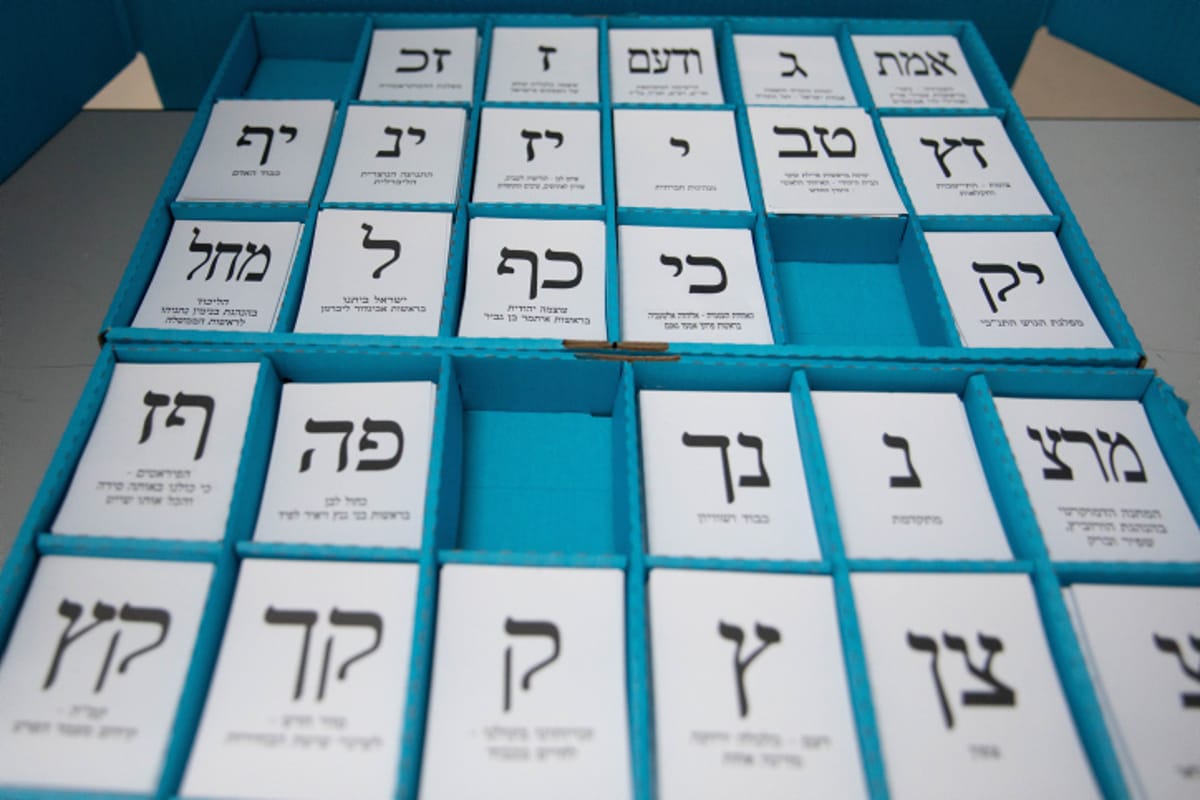
Israelis who stay up on election night will see only part of the picture. The Central Elections Committee is preparing for roughly 650,000 double-envelope ballots that will not be counted alongside the regular polling stations. Those votes are worth approximately 14 Knesset seats, and in a tight race they could determine which parties cross the threshold and which bloc forms the government.
At regular polling stations, counting begins as soon as the polls close. But double-envelope ballots, cast by voters outside their registered polling place, require verification first: the committee must confirm that the voter did not also cast a ballot at his or her home station. According to the committee's preparations, the upcoming election is expected to produce a record number of such ballots, around 650,000.
The implication is clear: exit polls and the overnight results will not reflect the final distribution of seats. In a close election, a party hovering near the 3.25% threshold will be forced to wait for the delayed count.