An unusually severe cold snap is gripping Israel this week, with overnight temperatures dropping to levels not recorded in the first half of November for nearly three decades, the Israel Meteorological Service reported.
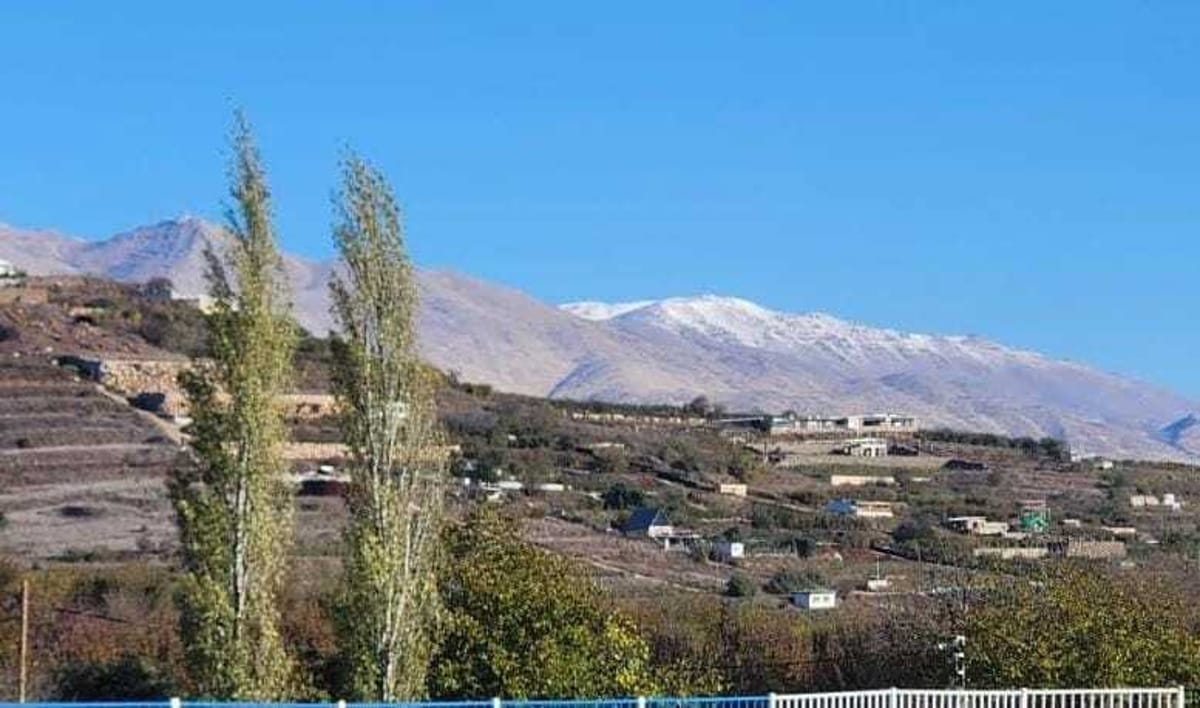
Overnight readings in the inland valleys and cold-sensitive areas fell to just 4–6°C. The plains east of Shavei Tzion and Akko recorded lows of 4°C, while the inland and lower-lying sections of the Sharon, Shfela and Negev measured 5–6°C. The northern Golan Heights saw even sharper drops, with minimum temperatures of 1.5–4°C.
Coldest early-November readings in decades
According to the Meteorological Service, the recorded temperatures are 6–8°C below the seasonal average and are considered highly unusual for the first half of November.
In parts of the Shfela, the Jezreel Valley and the plains east of Akko, temperatures this low have not been measured in the first half of the month since 1995, more than 30 years ago. In the central coastal plain, these are the lowest readings since 2005, and in the eastern valleys and Negev, since 2011.
While November is known for cooler weather, such sharp drops typically occur in the second half of the month, not at its start. This early-season cold is particularly rare in recent decades, which have been marked by a warming trend.