
An influential coalition of federal lawmakers has launched a coordinated legislative effort to block the transfer of elite military aviation technology to a controversial NATO partner, citing severe risks to international security networks. The congressional intervention aims to protect the most guarded tactical secrets of the American armed forces from foreign espionage vectors. This decisive policy stance comes at a critical time, as defense planners attempt to stabilize complex maritime and aerial borders across southern Europe and the Middle East.
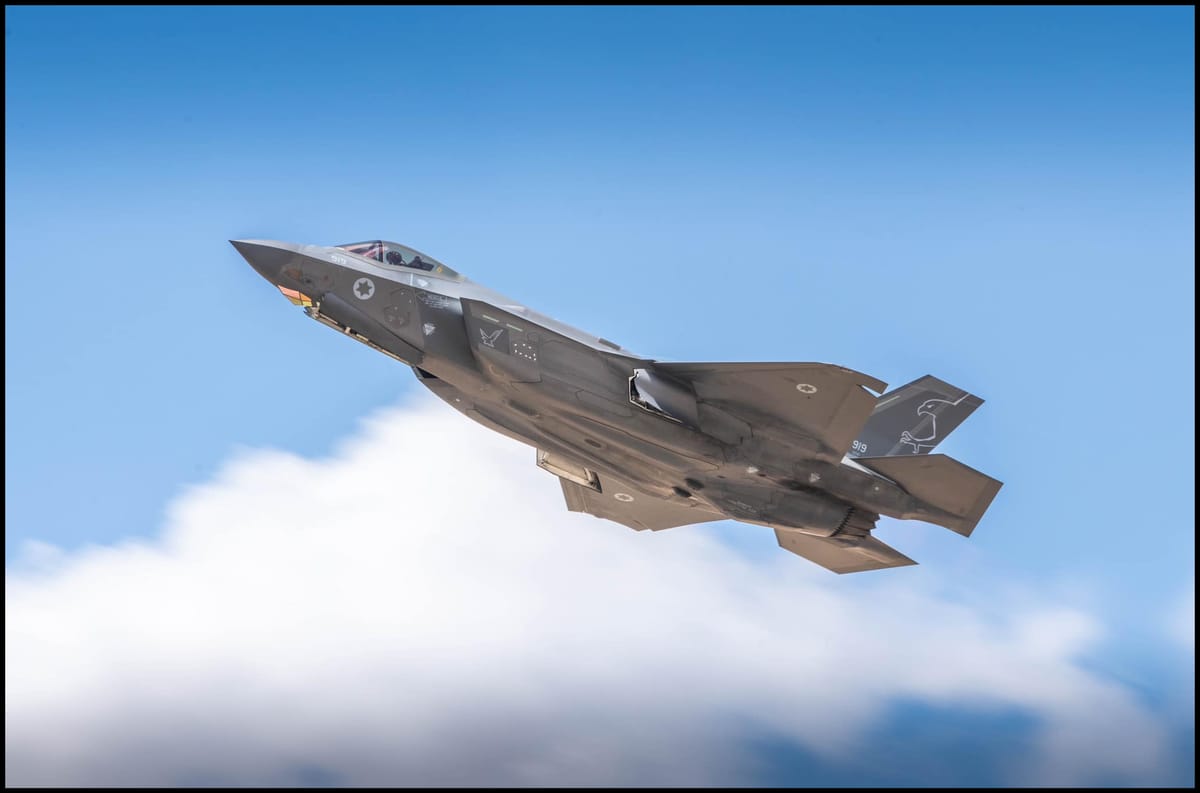
A group of lawmakers from the United States House of Representatives sent a formal letter to Secretary of State Marco Rubio and Defense Secretary Pete Hegseth, urging them not to sell Lockheed Martin F-35 Lightning II fighter jets to Turkey because it possesses the Russian-made S-400 missile system. The critical correspondence outlines a series of severe technological and strategic dangers that would arise if the advanced stealth platforms were delivered to the government in Ankara. The lawmakers are insisting on total compliance with existing defense restrictions, warning that any policy shift would immediately endanger the technical superiority of Western air power.
The primary concern raised by the congressional coalition focuses on the active intelligence-gathering capabilities of the Russian air defense hardware currently deployed on Turkish soil. The representatives stated that "The S-400 poses a direct threat to American military aircraft, including the F-16 and F-35, by enabling Russian intelligence to gain insights into sensitive U.S. technology if these systems operate alongside one another." Congressional leaders fear that operating the premier American stealth fighter within the radar footprint of the active Russian system would allow Moscow to map out and eventually neutralize the stealth characteristics of the F-35 platform.
In addition to the massive technical vulnerabilities, the legislative group argued that resuming advanced arms sales to Turkey would severely damage foundational democratic alliances throughout the volatile Eastern Mediterranean region. The lawmakers wrote that "Such a move would also send the wrong message to America's allies and partners." They emphasized that key U.S. partners in the Eastern Mediterranean, including Greece, Cyprus, and Israel, have consistently coordinated with and supported U.S. security interests through years of regional war and counter-terrorism operations.
The formal text emphasizes that rewarding Turkey despite its continuous acquisition of military hardware from rival nations would actively undermine the geopolitical architecture of the Mediterranean basin. The House members concluded their warning by stating that "Granting Ankara access to advanced American fighter jets despite its conduct would undermine these partnerships and encourage Turkey to escalate its aggression in the region, thereby endangering the regional stability that we have worked so hard to preserve." The Secretaries of State and Defense have not yet issued a public response to the congressional mandate, leaving the future of Mediterranean air power in a state of diplomatic suspension.