The imminent threat of a renewed global energy disruption has subsided temporarily following a late night diplomatic breakthrough between Western and Persian officials. Top negotiators have agreed to freeze all active naval hostilities in the Persian Gulf just hours after the entire region seemed poised for an expanded military campaign. This sudden stabilization effort aims to preserve a major international treaty that was rapidly disintegrating due to tactical friction on the water.
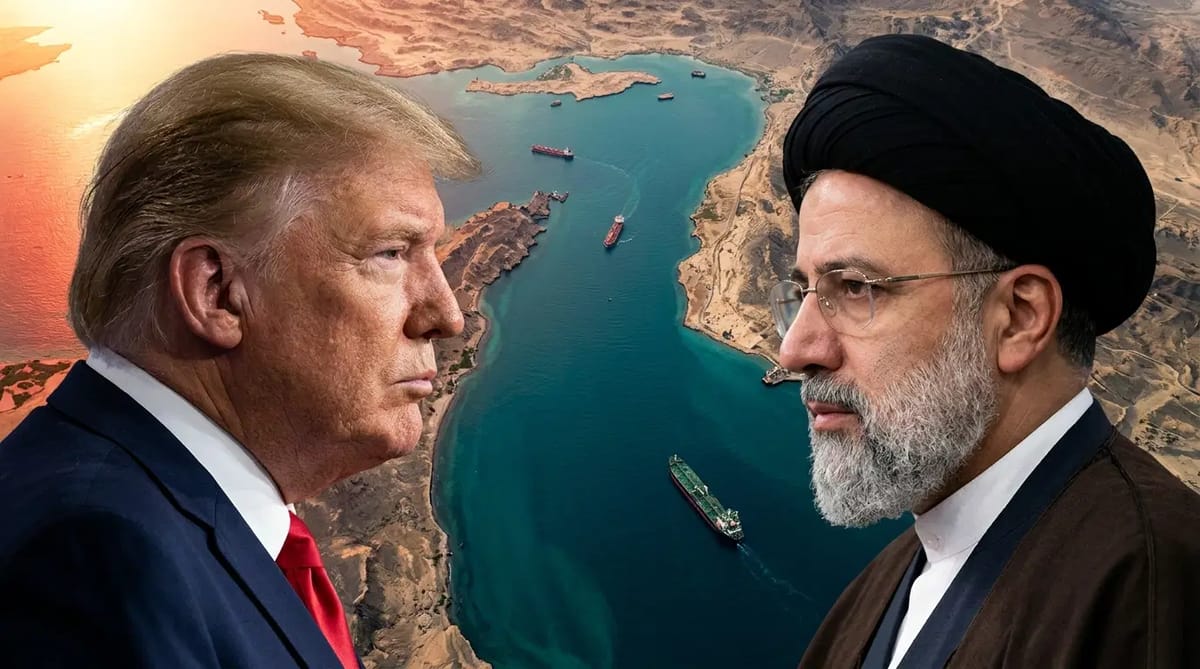
The United States and Iran officially agreed on Sunday, June 28, 2026, to immediately terminate their mutual military strikes and dispatch their respective negotiating teams to an emergency meeting this Tuesday in Doha, Qatar. Two senior American officials confirmed the development, noting that the session is explicitly designed to resolve the dangerous maritime impasse surrounding the Strait of Hormuz. The diplomatic intervention comes a mere eleven days after both countries signed a comprehensive Memorandum of Understanding to end their previous war, an accord that nearly collapsed entirely over the weekend.
The renewed outbreak of naval warfare erupted due to conflicting legal and tactical interpretations of the Memorandum of Understanding, specifically regarding the clauses governing international shipping channels. Under the initial terms, Iran committed to utilizing its best efforts to ensure the secure transit of commercial vessels through the strait, while the United States reciprocated by lifting its naval blockade on Iranian commercial ports. However, the deal began to unravel when conflicting interpretations led to open fire, prompting President Donald Trump to warn that the military was prepared to restart the war and finish the job.
During the initial round of talks held in Switzerland last week, the American delegation, led by Vice President JD Vance, negotiated the establishment of a direct military hot line between the United States armed forces and the Islamic Revolutionary Guard Corps to coordinate daily maritime movements. Despite that agreement, the secure communication network was not fully operational by Saturday, leading Iranian commanders to insist that foreign commercial vessels must still obtain pre-authorization from Persian authorities before traversing the strait.
The sudden escalation forced international mediators to radically restructure the diplomatic calendar for the upcoming week. According to sources close to the discussions, the Tuesday meeting was originally scheduled to take place in Switzerland to address the Iranian nuclear program, but the naval crisis forced officials to relocate the venue to the Qatari capital and narrow the entire agenda to the shipping crisis. Nick Stewart, the head of the American technical team, is scheduled to lead the United States delegation during the emergency proceedings.
American officials expressed cautious optimism that the temporary halt in hostilities will allow commercial maritime traffic to resume regular operations without the threat of immediate bombardment. One senior American representative stated that we decided to stop all kinetic activity, utilizing the standard military designation for active missile strikes and offensive maneuvers. A second American official elaborated on the immediate status of the shipping lanes, confirming that the technical talks are expected to continue in all areas included in the Memorandum of Understanding, and according to our understanding, both sides will refrain at this stage from offensive activity, and vessels will be able to move freely in the Strait of Hormuz.