The clandestine intersection of Middle Eastern state security and private industrial defense has been exposed by a comprehensive open source intelligence investigation. Sophisticated laser arrays engineered inside Jerusalem have been systematically integrated into the private transport fleets of regional sovereigns who lack formal bilateral recognition with the state. This technological integration establishes a complex strategic landscape where tactical survival mechanisms supersede overt diplomatic alignments during regional warfare.
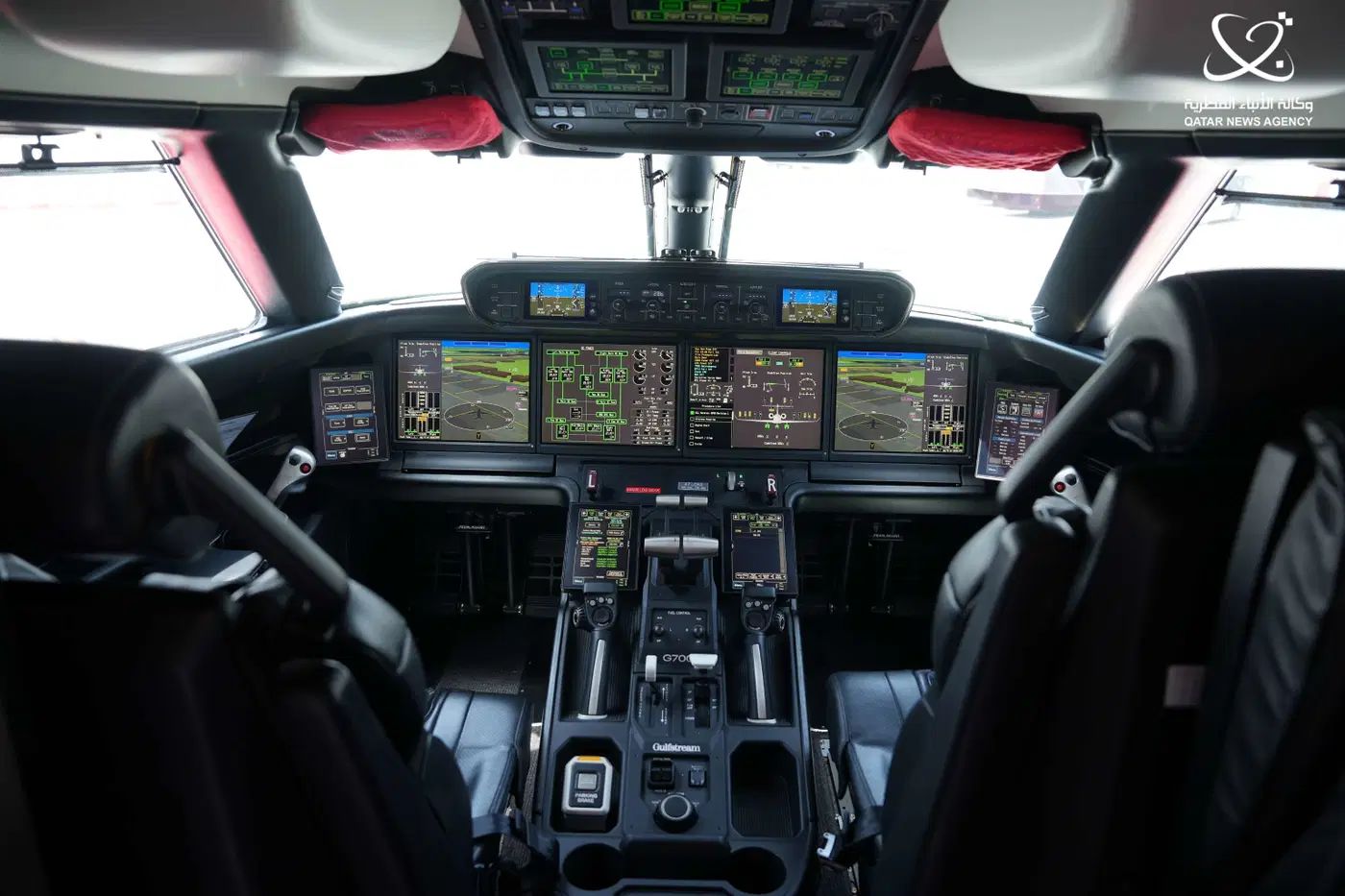
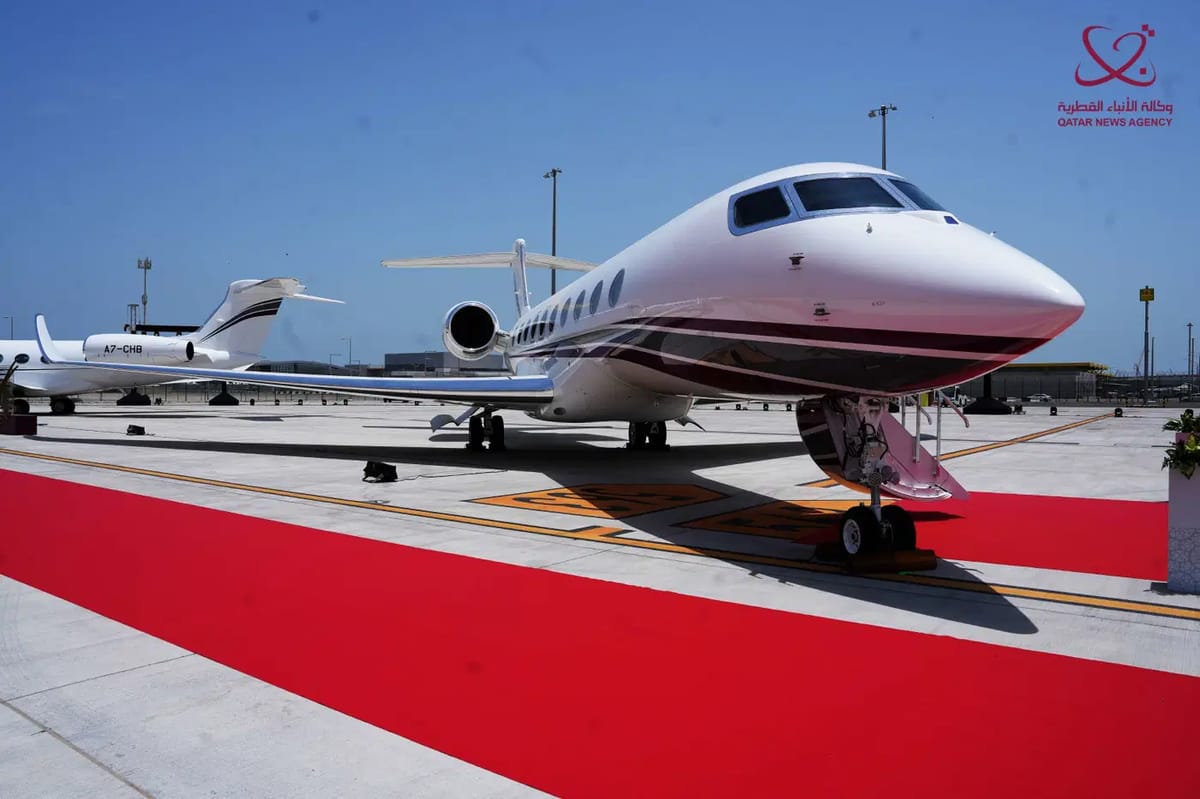
An investigative report published by journalist Oded Yaron in Haaretz newspaper has confirmed that the luxury aviation fleet belonging to the ruling Al Thani dynasty of Qatar is equipped with classified Israeli electronic warfare countermeasures. Photographic analysis of the state royal aviation wing, which manages 11 ultra luxury aircraft for the Emir and Prime Minister, proved the physical installation of the C-MUSIC defense suite. The equipment is visibly attached to the rear ventral fuselage of the royal transport assets to protect top leaders during international transit.
The specialized equipment, manufactured by Haifa-based defense electronics giant Elbit Systems, uses directed infrared countermeasure technology to neutralize immediate airborne threats. The device utilizes a high speed thermal tracking camera to identify the specific launch signature of incoming heat seeking surface to air missiles. Once an active threat vector is verified, the system fires a precise infrared laser beam directly into the missile tracking eye to permanently disrupt its guidance lock.
The tactical necessity for this protective apparatus was originally dictated by a severe security failure during a targeted regional attack over two decades ago. The technology was pioneered by defense labs following the coordinated 2002 missile attack against an Arkia commercial passenger jet operating in Mombasa, Kenya. The laser shield has subsequently become an absolute operational standard for domestic commercial airlines, the French Prime Minister’s official aircraft, and the Wing of Zion state plane used by Israeli leadership.
Corporate registries and maintenance logs indicate that the installation protocols were completed under deep commercial cover within continental Europe. The defensive hardware was quietly integrated onto three specific heavy airframes, including a Boeing 747 and an Airbus 345, while the aircraft underwent standard heavy maintenance intervals in Basel, Switzerland, between 2020 and 2022. While the financial parameters of the Doha procurement contract remain strictly classified, Elbit Systems recently concluded identical multi million dollar agreements with Germany, Austria, and the Netherlands.
The hidden procurement channels reflect an unprecedented economic expansion within the sovereign domestic manufacturing sector. The Ministry of Defense recently confirmed a record breaking 19.2 billion dollars in annual defense exports, representing a massive 30 percent increase over preceding fiscal periods. This historic commercial volume is heavily driven by quiet security arrangements expanding across multiple Gulf Cooperation Council member states, including Saudi Arabia.
Archival defense contracts reveal that Israeli sub contractors are actively participating in the advanced F-15 fighter jet program procured by Doha through major aerospace agreements signed with Boeing. Furthermore, intelligence documents show that advanced anti missile shields and specialized pilot heads up display helmets have been systematically transferred to the military of Saudi Arabia. These transactions proceed without interruption because regional buyers prioritize the operational superiority of the equipment over open political synchronization.
The integration of these safety platforms highlights a major geopolitical contradiction regarding the actual distribution of influence inside the current regional theater. The leadership of Qatar routinely hosts the political bureau of Hamas terrorists and maintains deep financial ties with the Islamic Republic of Iran. Simultaneously, the Emir relies on Israeli engineering to protect his physical safety while flying to foreign capitals to negotiate complex international security frameworks.
The strategic leverage provided by these operational channels has placed Gulf mediators in a central role between Western capitals and adversarial regimes. Qatari Emir Tamim bin Hamid Al Thani recently engaged in high level discussions with President Donald Trump to coordinate regional escalation boundaries and adjust planned military deployments targeting Tehran. These backchannel communications continue to expand while the underlying technical supply lines solidify Israel's role as an invisible security provider for its neighbors.