The systemic operational posture along regional borders is transitioning into a phase of heightened vigilance following a major diplomatic restructuring. Senior military commanders are conducting critical site assessments to ensure that forward deployed elements maintain maximum combat readiness despite the implementation of diplomatic agreements. This strategic framework establishes that tactical dominance on the ground will remain the primary mechanism for enforcing international understandings during ongoing regional warfare.
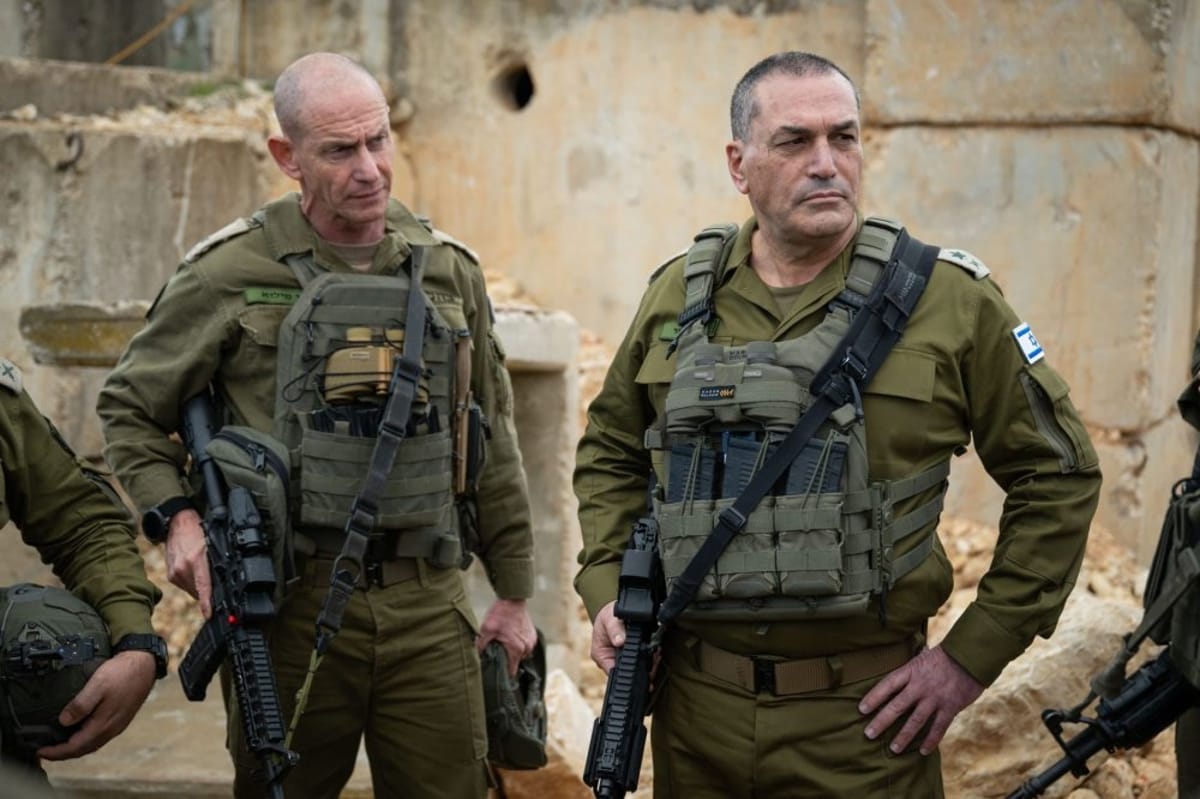
Chief of Staff Lieutenant General Eyal Zamir conducted an official situational assessment at the Northern Command headquarters and the 36th Division sector on Sunday, June 28, 2026. The high level review included Northern Command Chief Major General Rafi Milo, 36th Division Commander Brigadier General Yiftach Norkin, and Operations Division Chief Brigadier General Barak Hiram. During the session, Zamir approved updated operational directives designed to address the changing tactical realities across the northern theater.
The military leadership emphasized that the current diplomatic arrangement was entirely enabled by the intensive kinetic operations conducted over the preceding months. "The agreement signed with the government of Lebanon is historic and significant, the operational strength and military achievements that the military achieved in recent months are what created the conditions for this," Zamir declared during a command briefing. He affirmed that the military will honor the diplomatic terms while remaining entirely focused on practical compliance by all regional actors.
Defense strategists are keeping an intense focus on border infrastructure, labeling the northern front as the primary center of gravity for national security planning. Command elements confirmed that the 36th Division and elite commando units continue to hold absolute operational control over the strategic Beaufort Ridge area. Zamir emphasized that the security of deployed personnel remains the ultimate priority, noting that field forces are equipped with all necessary technological assets to defeat any remaining hostile pockets.
The structural degradation of opposing insurgent forces was highlighted as a key achievement of the recent territorial operations. "Hezbollah is beaten and bruised and its operatives are trapped underground," Zamir confirmed while evaluating the state of the adversarial group. The Chief of Staff reiterated that defensive lines maintain a high level of alertness to deliver swift and lethal blows the exact moment any border provocations or ceasefire violations are identified.
The strategic warning extended past border infrastructure to address the broader state sponsors driving the regional warfare. Zamir explicitly noted that the military apparatus has maintained full readiness to launch immediate, high intensity offensive operations against distant targets if regional dynamics deteriorate. "We are prepared for a return to rapid warfare both in Lebanon and in Iran, if we are required to do so," the Chief of Staff warned to ensure deterrence remains intact during the transitional period.