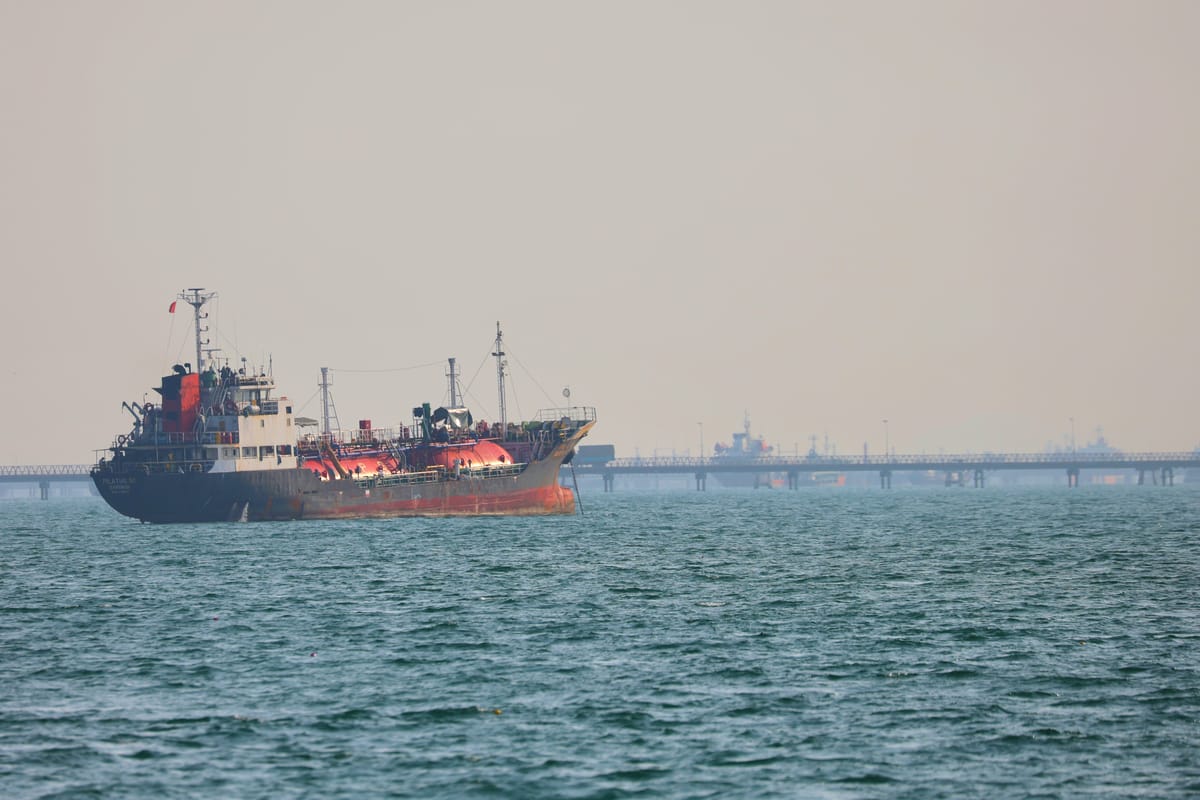
A fragile diplomatic agreement has given way to active maritime warfare in the Persian Gulf following intense disagreements over the legal interpretation of a freshly signed international treaty. Naval forces from both Washington and Tehran have traded heavy blows over the last forty-eight hours, placing the safety of global shipping lanes back into immediate jeopardy. The sudden return to open hostility occurred just days after American leadership publicly celebrated the implementation of a regional truce.
The root of the sudden military escalation lies directly within the specific phrasing of the interim agreement, which dictated that no transit fees or security charges could be levied on commercial shipping vessels inside the Strait of Hormuz during a initial sixty-day window. Iranian authorities interpreted this specific clause as a de facto recognition that they possess the sovereign right to collect financial sums for maritime services and transit insurance once the two-month period concludes. Western defense planners viewed this interpretation as an attempt by Tehran to establish a permanent, legalized protection racket over international shipping.
Iranian officials argue that while the current text prevents them from collecting money over the next two months, the document does not mean that the strait is not already under their active sovereign control. To enforce this perspective, the Islamic Revolutionary Guard Corps established a specific transit channel close to Persian territory, granting free passage exclusively to commercial vessels that formally register through Iranian naval communication channels. The United States military rejected this move, viewing the registration requirement as an aggressive attempt by Tehran to seize total operational control over the strait during an active ceasefire.
In response to the creeping Iranian expansion, the United States, in direct cooperation with the Sultanate of Oman, mapped out alternative shipping lanes running closer to the Omani coastline to guarantee the freedom of global navigation without Iranian interference. Recognizing that their primary leverage over the White House was eroding, Iranian forces began launching targeted assaults against commercial ships utilizing the new Omani corridors. While previous provocations had failed to inflict major damage, a hostile strike on Friday successfully hit a commercial target, forcing the United States military to launch immediate retaliatory airstrikes against Iranian positions.
The geopolitical situation worsened further when the Iranian Foreign Minister issued a public warning, stating that Iran is the entity that controls the Strait of Hormuz, and that any attempted transit that is not subject to Iranian oversight will only worsen the situation. Simultaneously, regional intelligence reports indicate that Iranian naval units are intentionally delaying required mine sweeping operations across the shared waters. This deliberate delay is designed to obstruct alternative maritime routes, forcing heavy commercial tankers to steer directly into the checkpoint channels monitored by the Islamic Revolutionary Guard Corps.
The rapid escalation of naval warfare has resulted in immediate diplomatic consequences, with both nations announcing the complete cancellation of bilateral talks scheduled to take place in Switzerland later this week. International observers are now waiting to see if Washington will yield to the aggressive maritime demands of Tehran, or if the region must prepare for a series of even heavier military engagements over the coming days.