The volatile security architecture of the Middle East has experienced a major breakdown after direct kinetic engagements eliminated short-term diplomatic alternatives. High-level backchannel negotiations designed to prevent a wider regional escalation have been officially terminated by participating intermediaries following repeated violations of maritime safety parameters. This diplomatic collapse establishes a dangerous new reality where both nations are prioritizing heavy military retaliation over bilateral communication channels.
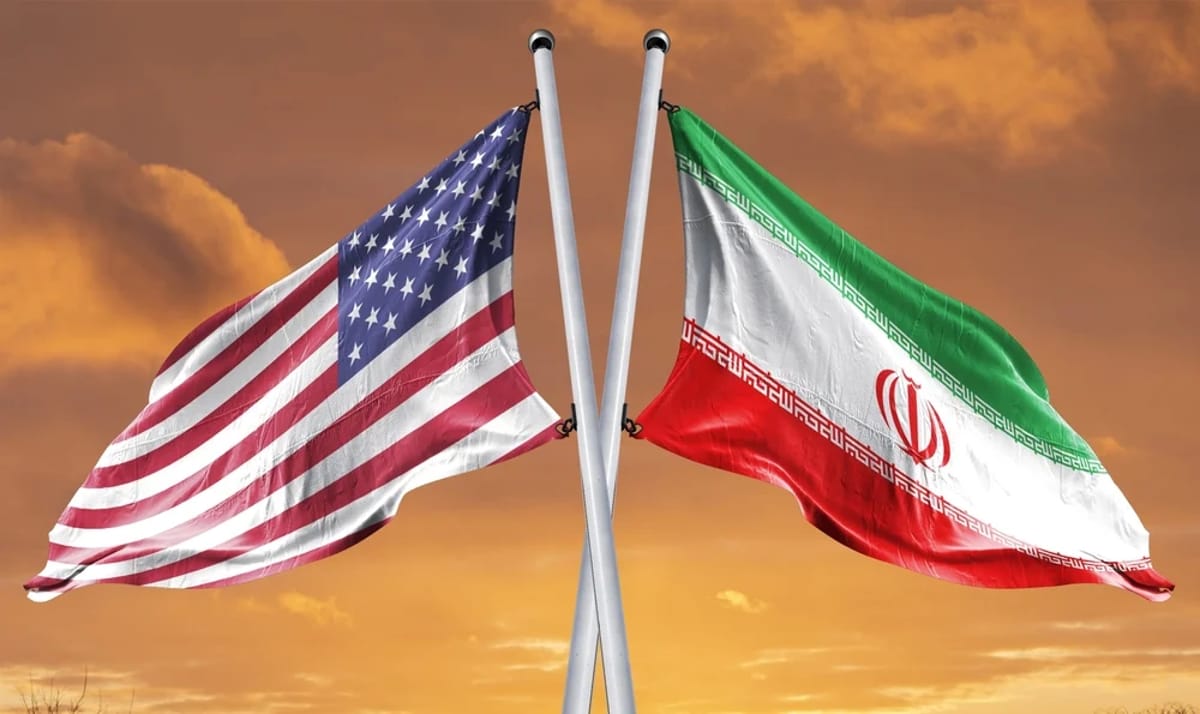
A highly anticipated round of diplomatic talks between the United States and Iran scheduled to take place in Switzerland this weekend has been completely canceled. Mainstream financial publications confirmed the diplomatic freeze on Sunday, June 28, 2026, citing the rapid re-escalation of open warfare across international shipping corridors. The collapse of the diplomatic track follows several consecutive nights of heavy aerial bombardments and retaliatory missile barrages across multiple Gulf territories.
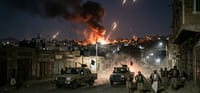
The latest physical escalation began when American fighter jets launched a massive coordinated assault against ten separate military objectives inside and around the strategic Strait of Hormuz. The targeted infrastructure included advanced communication nodes, radar installations, air defense batteries, drone storage warehouses, and specialized facilities used for deploying naval mines. United States Central Command confirmed the strikes were designed to neutralize assets used by the Islamic Revolutionary Guard Corps to disrupt international maritime trade routes.
Defense officials clarified that the kinetic intervention was an unavoidable response to ongoing provocations by the regional regime. "We gave Iran the opportunity to respect the ceasefire agreement, but it chose not to do so," Central Command leaders stated in an official release. The military command emphasized that the operations were fully authorized to preserve the fundamental freedom of navigation across vital international commerce networks.
The American aerial bombardment prompted an immediate, wide-scale military reaction from the regime within two hours of the initial strikes. Emergency sirens were activated across Bahrain and Kuwait as a large wave of ballistic missiles and suicide drones crossed the Persian Gulf. The airborne assets specifically targeted regional military bases where sovereign American troops and coalition elements are currently deployed.
A senior defense official confirmed that the retaliatory strike did not cause any casualties or significant structural damage to the targeted coalition installations. Despite the lack of physical destruction, the Islamic Revolutionary Guard Corps immediately claimed full operational responsibility for the coordinated regional assault. The paramilitary organization broadcasted a direct warning to the international community, declaring that "any aggression by the enemy will receive an overwhelming response."