Middle East Realignment

Syria Joins Saudi-Pakistan-Turkey Alliance

New security pact brings Damascus into Sunni coalition, blocking Iranian influence but creating fresh strategic challenges for Israel along the Golan Heights border

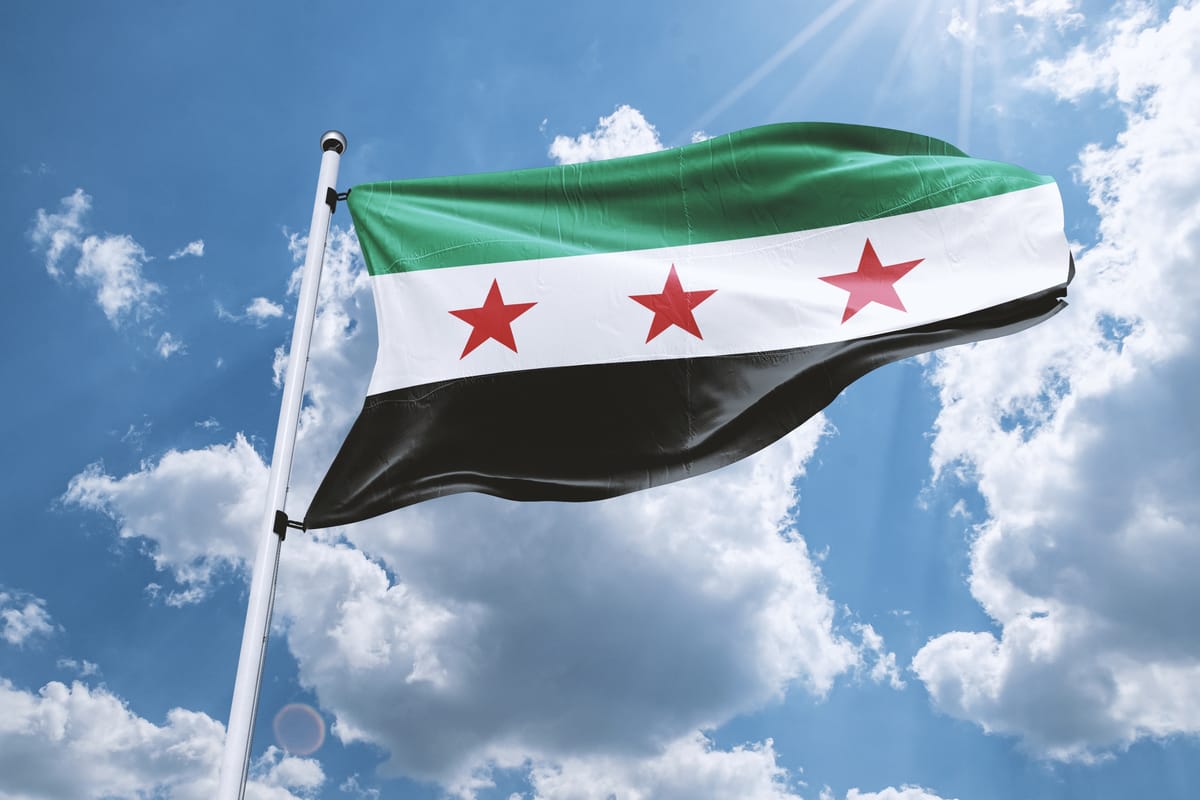
Syrian (new) flag

The balance of power in the Middle East has undergone a dramatic shift with Syria's formal entry into an unprecedented strategic alliance with Turkey, Saudi Arabia and Pakistan, according to initial reports from Reuters. For years, Syria served as a central arena of conflict and a hub of Iranian influence. Now Damascus has been brought into what appears to be a Sunni-led coalition designed to permanently sever its ties with Tehran.

For Israel, the development presents a double-edged sword. While the move blocks what Israeli officials have long called the "axis of evil," it also imposes severe new constraints on Israeli military operations, alters the deterrence balance, complicates normalization efforts with Arab states, and introduces dangerous new variables along the Golan Heights frontier.

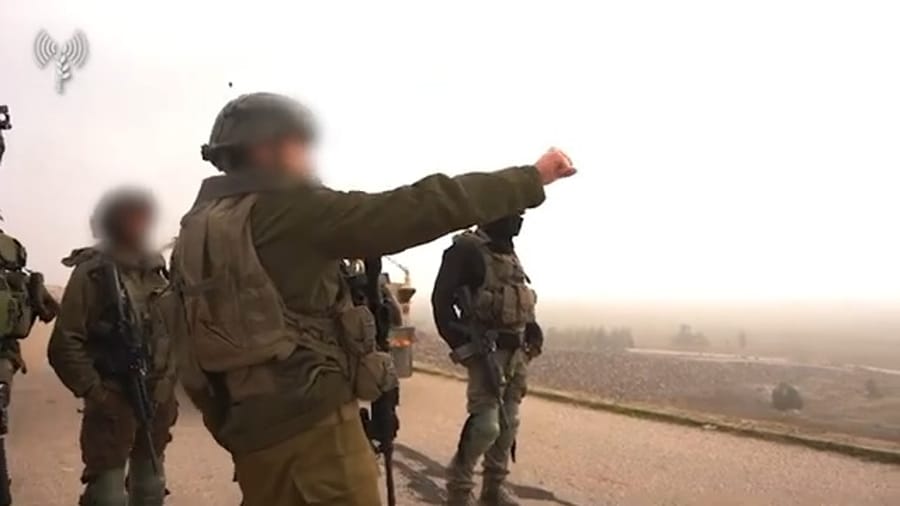
IDf forces in Syria
IDf forces in Syria (Photo: IDF Spokesperson)

The new Damascus-centered alliance—structured around what is being described as a "Mecca Agreement"—represents a geopolitical earthquake aimed at permanently blocking Tehran's influence in the Levant. For more than a decade, Syria functioned as a vital artery and strategic corridor for Iran, facilitating the transfer of weapons, military advisers and Shiite militias from the heart of the Islamic Republic to the borders of Lebanon and the Golan Heights. The new pact offers Damascus a robust Sunni security and economic umbrella, including broad diplomatic backing, Turkish military assistance and extensive Saudi financial support.

For Israel, this constitutes a significant insurance policy, dramatically reducing the risk of future Iranian attempts—or those of its proxies—to re-establish a foothold on Syrian soil. Blocking this corridor removes the threat of forward bases for Iran's Quds Force or Hezbollah near Israel's northern border, creating an entirely new security reality.

Beyond the immediate security dimension, Saudi-Turkish patronage grants Damascus unprecedented regional legitimacy and critical tools for state reconstruction. After years of bloody civil war, catastrophic economic destruction and deep territorial fragmentation, Syria stood on the brink of becoming a failed state or a breeding ground for Salafi-jihadist terror groups like ISIS. Relative stability under Sunni sponsorship could dramatically reduce the spillover of terrorism toward Israel's border.

Yet the new Sunni alignment is not without risks and strategic pitfalls. It creates tight dependency of Damascus on Ankara and Riyadh, raising sharp questions about the Syrian government's autonomy in making independent security decisions. Israel, for its part, will need to monitor closely and vigilantly the actual implementation of commitments to prevent Iranian presence on Syrian territory, since any future violation could rapidly restore the old threat.


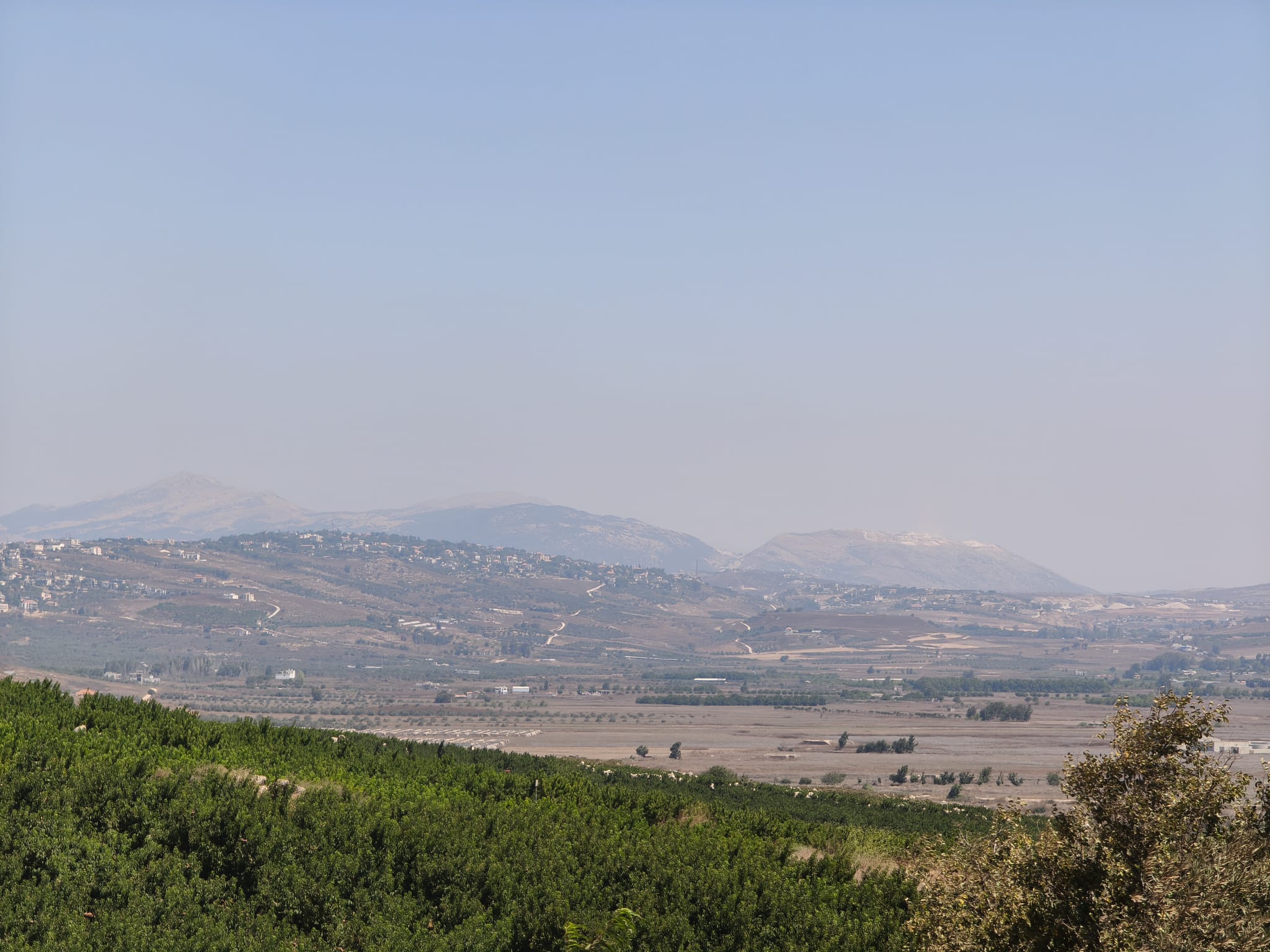
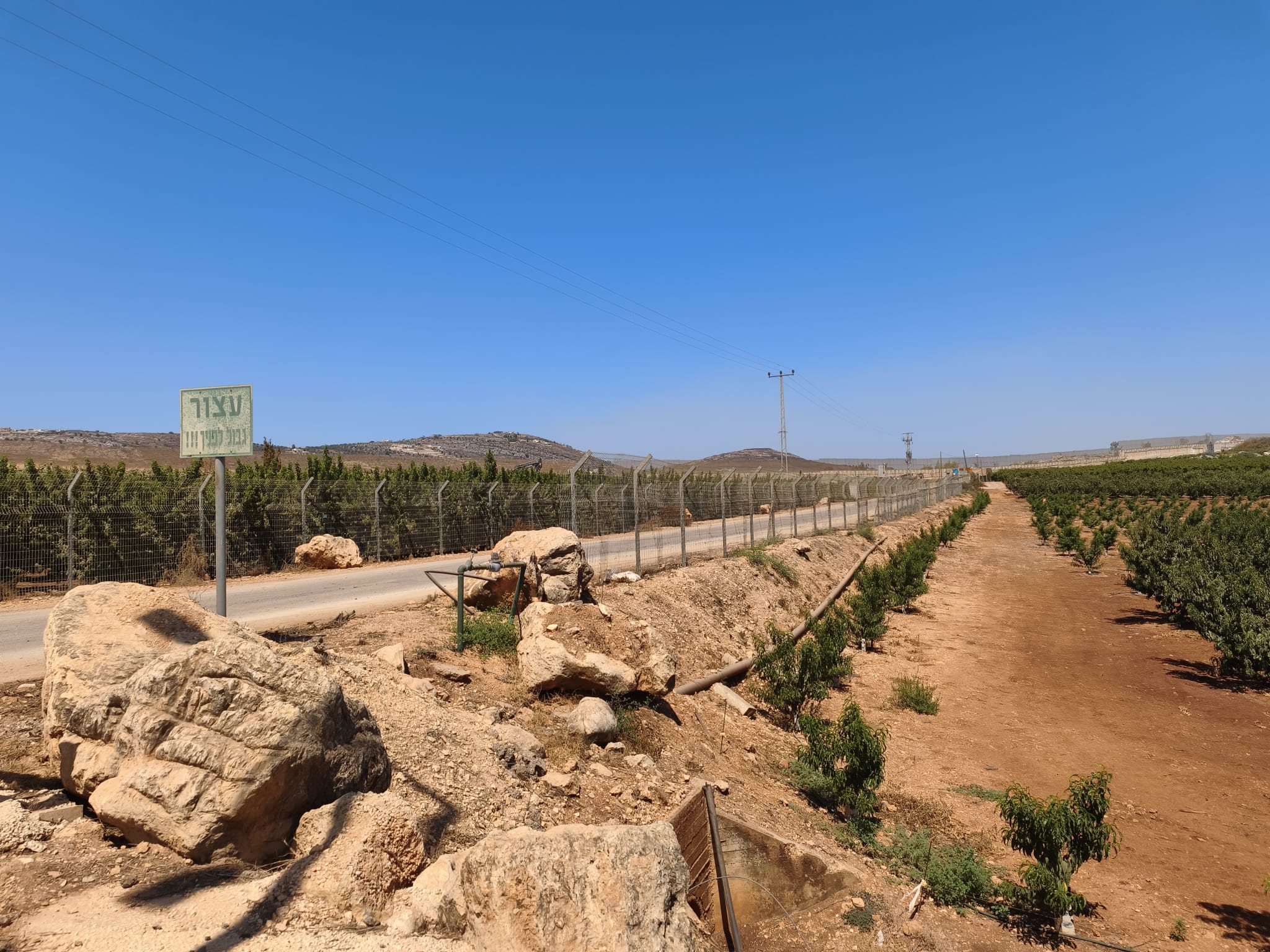
Israel-~Lebanese border as seen from Metula
Israel-~Lebanese border as seen from Metula (Photo: Yehuda Glickman)

Syria's integration into the new regional alliance contains a complex and troubling strategic trap for Israel. Any future military action on Syrian soil—whether a pinpoint strike against terror targets, elimination of residual Iranian cells, or disruption of militia infrastructure—risks being interpreted as a direct assault on the entire alliance and its protective umbrella. The new situation, in which any strike against one member is perceived as an attack on all, drastically and unprecedentedly curtails the operational freedom of action the IDF has enjoyed for years under the framework of the "campaign between wars."

The risk on the table is not merely theoretical, and its implications could destabilize the entire region. Israeli military action in Syria could trigger a sharp response or dangerous diplomatic crisis not only with Damascus, but also with Ankara—a NATO member with formidable military power and advanced technological capabilities—and with Pakistan, a nuclear-armed power with significant weight in the Muslim world. Turkey has already demonstrated in the recent past a willingness to respond forcefully to Israeli moves in various theaters, and Pakistan could exploit such an incident to strengthen and consolidate its regional standing.

The outcome of the new situation could be the imposition of self-restraint on Israel, hesitation in carrying out critical preemptive strikes, and diversion of some intelligence and operational activity to alternative and less effective channels. At the same time, Jerusalem will be forced to bear a heavy and complex diplomatic burden to clarify to Syria's new alliance partners that IDF operations are focused solely on removing shared threats and not on harming renewed Syrian sovereignty.

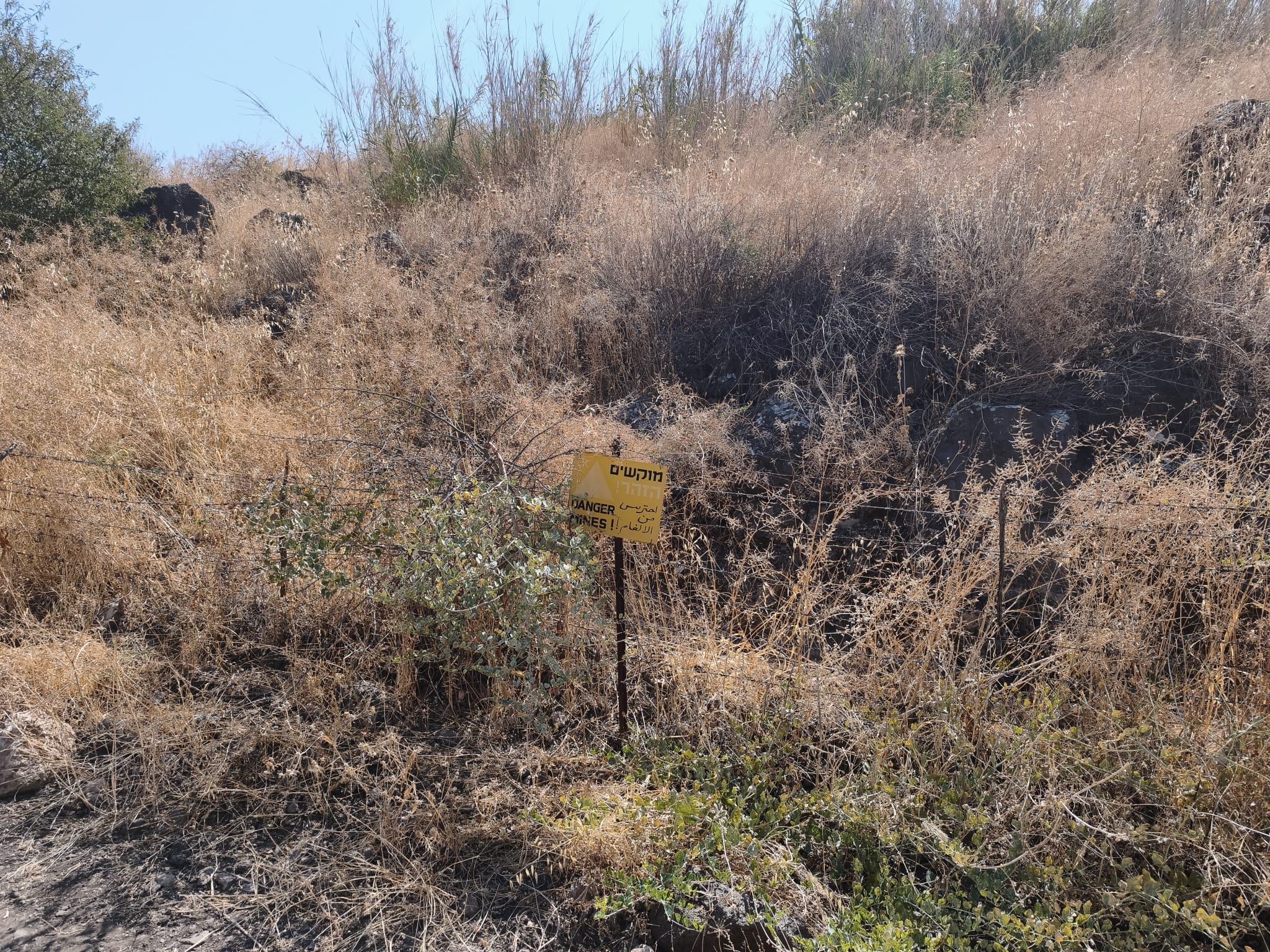
Mines in the Golan
Mines in the Golan (Photo: Yehuda Glickman)

Syria's incorporation into the new regional alliance is designed to establish a thick and clear red line around the sovereignty of the reconstituted state, and to send an unambiguous message to Jerusalem: any attempt to alter the reality on the ground will meet with a coordinated military and political response from powerful actors. In this framework, regional deterrence is no longer based on an isolated and weak regime or a network of armed militias, but rather on a broad umbrella including states with significant economic, military and demographic weight in the region.

Under the alliance's protection, Syria is expected to receive massive Saudi financing and advanced Turkish military technology including drones, advanced air defense systems, precision weaponry and modern combat doctrines, all aimed at rebuilding from the ground up an army that completely disintegrated during the civil war years. A modern and rehabilitated Syrian army, even if disconnected from direct Iranian influence, represents a new and complex strategic challenge for the IDF. It fundamentally changes the local balance of power, requires the security establishment to allocate increased resources to defense and intelligence, and significantly raises the cost of any future confrontation in the sector.

This collective deterrence framework may indeed restrain Israel and block large-scale proactive operations out of fear of multi-sided escalation, but its true strength depends largely on the credibility of the alliance partners' commitments and their willingness to stand behind them in practice. Facing this reality, Israel will need to urgently build counter-deterrence mechanisms, strengthen cooperation with other regional players, and maintain absolute technological and intelligence superiority to balance the dramatic shift in the map.

IDF forces in Syria
IDF forces in Syria (Video: IDF Spokesperson)

The Saudis, viewing Syria as a new and central strategic partner in the region, may now condition any future progress in their relations with Israel on addressing Damascus's interests and borders—including highly sensitive issues concerning the Golan Heights, Israeli military presence and security coordination mechanisms in the sector.

Instead of the normalization process advancing naturally based on shared economic and security interests against the Iranian threat, it risks becoming entangled and stalled by rigid Syrian demands backed by the full weight of Riyadh. This dangerous influence is not limited to Saudi Arabia alone; Turkey, which already maintains a complex and tense relationship with Israel, could exploit the new alliance to exert unprecedented diplomatic pressure, while Pakistan will find tools to mobilize broad support throughout the Muslim world.

The direct result could manifest in drastic slowdown of regional normalization processes, intensified sharp international criticism of Israel, and transformation of every local confrontation or point crisis in Syria into a broad and ramifying regional issue. Facing this complicated political reality, Israel will be forced to conduct diplomacy that is several times more careful and complex, to seek indirect and direct channels of communication with Damascus under international auspices, and to continue sharpening shared interests in the uncompromising fight against terror and blocking any attempt by Tehran to establish itself.

The far-reaching implications for Israel's foreign relations illustrate in sharp and clear light how a single security-geopolitical move can undermine and fundamentally change the entire normalization equation.

Nothern Israeli border
Nothern Israeli border (Photo: Yehuda Glickman)

In the past, conflict on the northern border was limited primarily to the isolated Assad regime or Iranian proxies operating on Syrian soil. Today—with Syria's entry into the alliance—every border incident, every sovereignty dispute or every military action in the Golan Heights immediately becomes an event involving three powerful regional powers: Turkey, Saudi Arabia and Pakistan.

This new reality of the conflict significantly reduces Israel's political and military maneuvering capability. What was previously a bilateral or limited confrontation becomes a multi-sided affair with high escalation potential.

The change in the status quo requires Israel to rethink its Golan policy. Any proactive action, even if justified from a security standpoint, could trigger condemnations, diplomatic pressure and even threats of response from alliance members. At the same time, Damascus itself may feel more confident in demanding changes to the reality on the ground or raising the sovereignty issue in international forums with backing from its partners.

The result is a narrowing of Israeli flexibility and transformation of the Golan from an arena where Israel enjoyed clear superiority into a more politically sensitive theater.

To cope with the new reality, Israel will need to combine military strength with active diplomacy, build coordination channels with the new players and maintain a clear red line regarding its national security.

Ready for more?

Join our newsletter to receive updates on new articles and exclusive content.

We respect your privacy and will never share your information.

Enjoyed this article?

Yes (25)
No (1)
Follow Us:

Unmissable content


Loading comments...

Also of Interest