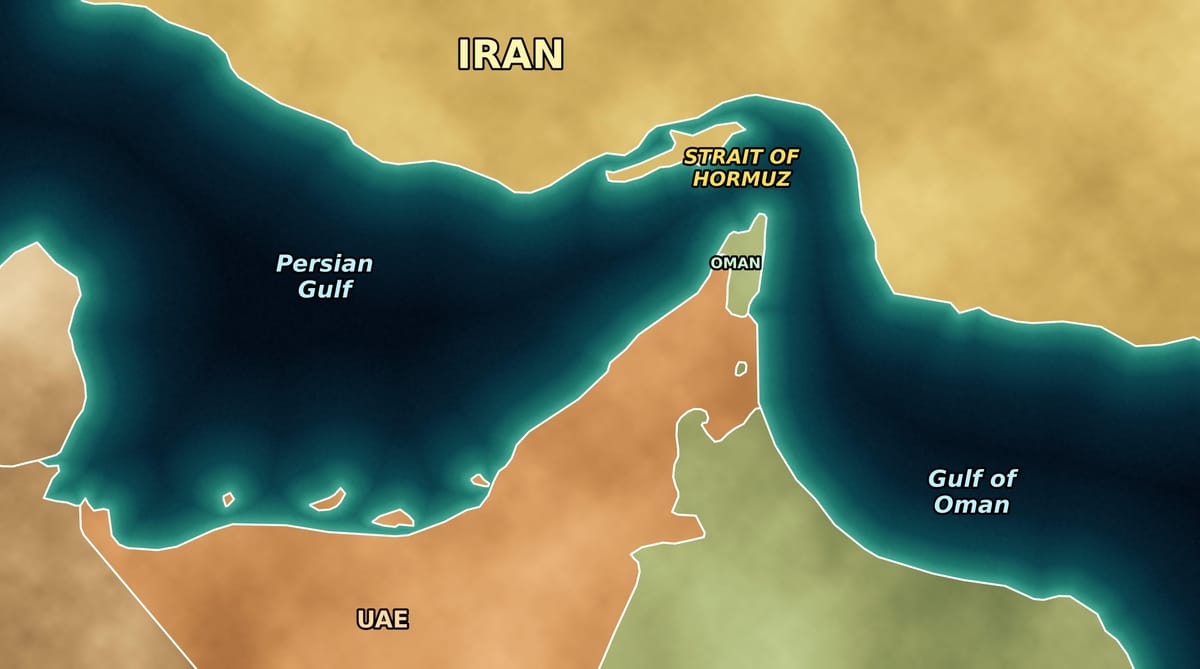
A senior United Nations official on Saturday called on Iran and the United States to immediately allow fertilizer shipments through the Strait of Hormuz. He warned that continued delays could push tens of millions of people into hunger, according to AFP.
Jorge Moreira da Silva is UN Under-Secretary-General and executive director of the UN Office for Project Services (UNOPS). He spoke at the COP31 climate talks in Antalya, Turkey. He told AFP that if farmers keep missing planting seasons around the world, as many as 45 million people could face severe and acute food insecurity, and some 30 million could be forced into poverty.
Moreira da Silva leads the UN task force set up to move fertilizers through the strait during the crisis. He said the task force has a system ready to start shipments within seven to 10 days once both sides agree. "Basically what we need is five vessels a day with fertilizers," he said.
He said he was giving Washington and Tehran the same message. They can keep negotiating a comprehensive agreement, he said, but that process should not hold up a limited, temporary arrangement for fertilizer shipments.
Iran has blockaded the waterway since the war with the Islamic Republic began in late February. Before the conflict, about a third of the world's fertilizers passed through the strait. Moreira da Silva said fertilizer prices have risen by about 30 percent since the blockades began. The U.S. blockade of Iranian ports has further complicated shipping in the region.
The UN mechanism was drawn up in March. It would apply only to fertilizers and related raw materials such as urea, ammonia and sulfur, not oil or gas. Under the plan, vessels would be registered and tracked in transit. Additional inspections could take place if either side raised concerns about a ship or its cargo.
Moreira da Silva has been pushing the plan for months. In October, he told Reuters it was "absolutely critical" that Iran and the U.S. reach agreement within weeks as planting season approached. The UN's Food and Agriculture Organization has warned that fertilizer shortages could tighten global food supplies from late 2026 into 2027, with the heaviest impact on vulnerable countries in Africa and Asia.