The physical infrastructure of northern South America has suffered unprecedented destruction following a highly volatile geological event. Consecutive tectonic ruptures have completely leveled high density municipal zones, creating an emergency situation that surpasses local civil defense capacities. Global logistical networks have immediately activated emergency procedures to transport search teams into the impacted zones before the critical survival window closes entirely.
The sovereign territory of Venezuela has been declared a major disaster zone following twin earthquakes measuring 7.2 and 7.5 magnitude that struck less than 40 seconds apart on Wednesday, June 24, 2026. Interim President Delcy Rodriguez officially placed the hardest hit northern coastal province of La Guaira under strict military administration to manage the unfolding crisis. Local tracking portals and opposition figures confirm that approximately 50,000 citizens remain missing, while the official provisional death toll has reached 589 individuals.
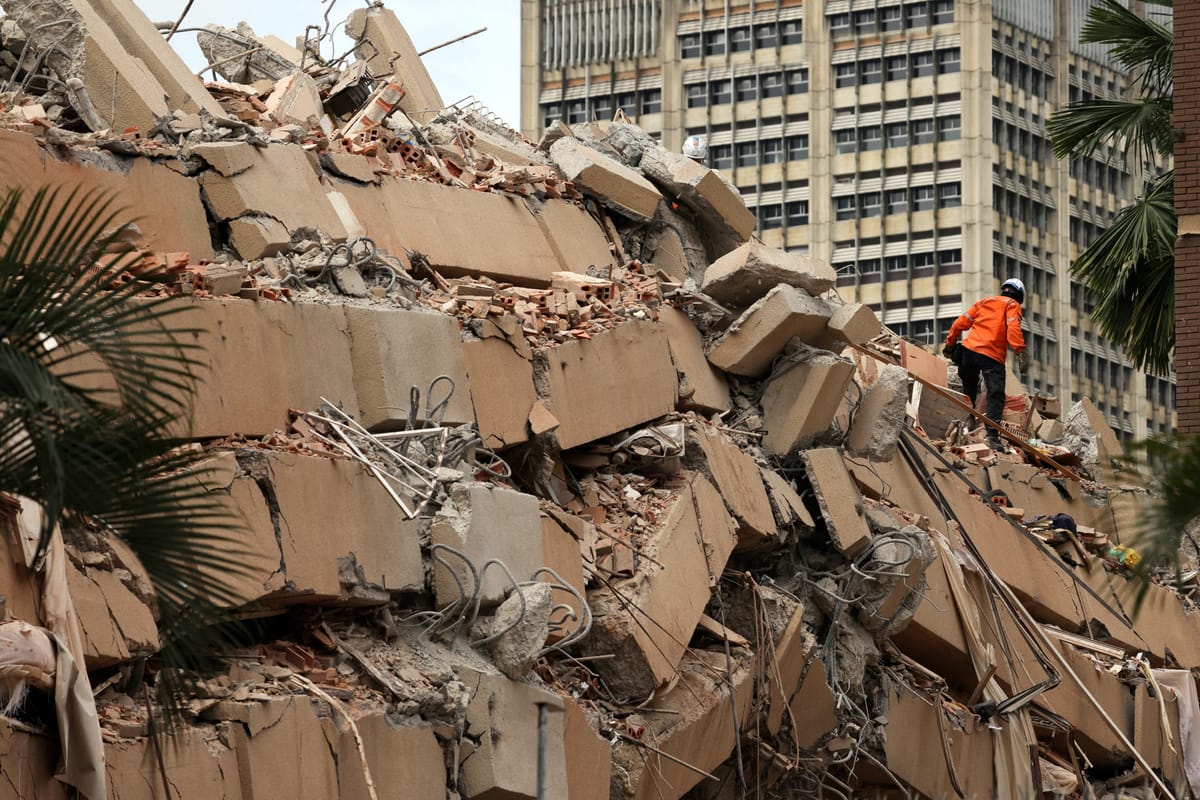
The concentrated point of destruction centered around the critical coastal corridor near the Simon Bolivar International Airport, heavily impacting the municipalities of La Guaira, Catia La Mar, and Caraballeda. United Nations monitoring teams reported that more than 100 large structures collapsed completely within La Guaira alone, including massive public housing blocks and the ten story Edwards Hotel. The structural failure was so immense that physical vibrations were registered in Manaus, Brazil, located more than 1,600 kilometers away from the epicenter.
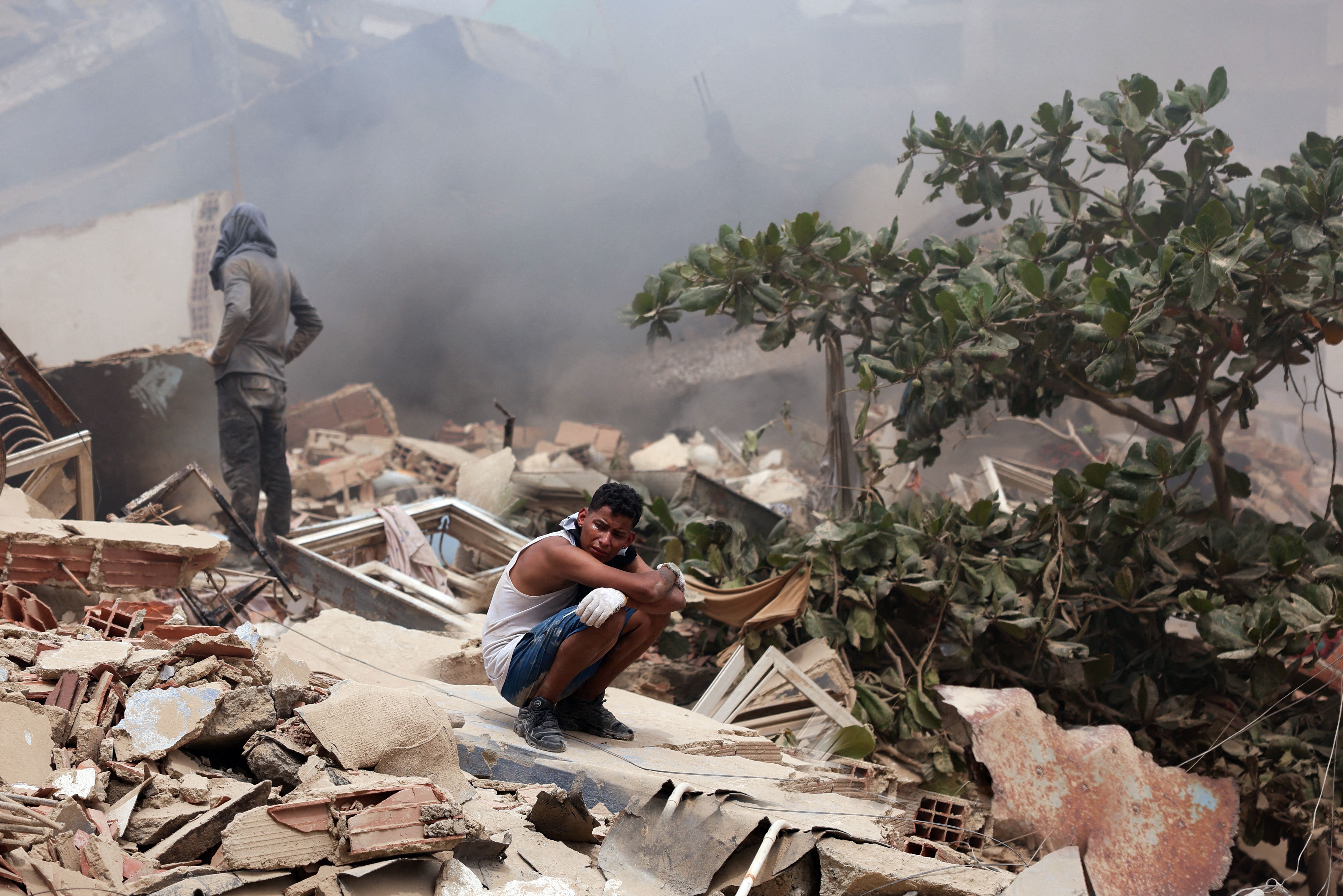
Local emergency teams and civilian volunteers are engaged in a desperate race against time to pull survivors from the heavy concrete rubble. A resident named Graciela Mora, who lived on the eighth floor of a collapsed tower, provided a harrowing account immediately after being extracted alive by rescue teams. "When the earthquake started, I held on as hard as I could to the doorframe, so hard that I broke my finger," Mora explained from her evacuation stretcher. She noted that she maintained her grip on the frame "until the whole floor collapsed" beneath her feet.
Faced with a severe shortage of heavy mechanical excavators, local families are forced to clear fractured concrete slabs using their bare hands to find trapped relatives. "My son is under the concrete slabs, there is no mechanical equipment to get him out," Yamila Jimenez stated regarding her 19 year old son. Other displaced citizens have been forced onto public streets after losing both their residences and their livelihood assets. "I lost everything, I assume there are people who are still inside and could not get out," resident Christian Carreno observed while surveying his tilted apartment block.
Academic specialists attribute the disproportionate scale of the architectural collapse to decades of systemic public sector corruption and unregulated construction booms. Matthew Blackett, a professor of natural hazards at Coventry University, noted that many structures built during previous oil booms bypassed basic safety regulations. The country is currently ranked 180 out of 182 nations on the Transparency International Corruption Index, which directly correlates with the lack of modern seismic enforcement. Most of the destroyed public housing high rises were built decades ago without any subsequent structural retrofitting.
The immense scale of the humanitarian emergency has prompted immediate diplomatic interventions from major global powers despite existing geopolitical tensions. United States President Donald Trump announced that "the United States is ready, willing, and able to help," while directing federal agencies to expedite cargo deliveries. The United States Treasury Department simultaneously issued a temporary administrative waiver easing economic sanctions until October 23 to facilitate disaster relief transactions.
Major General Kevin Sheppard of the United States Southern Command arrived in the region to coordinate the arrival of international rescue wings. El Salvador President Nayib Bukele committed a fleet of six transport aircraft carrying 300 rescue personnel and 150 tons of survival equipment. Supplementary rescue delegations from Brazil, Mexico, Spain, Portugal, Canada, Chile, and Qatar have initiated active deployments toward the zone. The Israeli Ministry of Foreign Affairs confirmed it is evaluating logistical options to send a specialized 16 person rescue delegation through coordinated American channels.