A double seismic disaster has brought unimaginable destruction to a vulnerable South American capital, triggering an urgent international humanitarian mobilization. Emergency responders from multiple continents are racing against a critical 72 hour survival window to locate thousands of missing residents. This sudden catastrophe hits a nation already navigating profound political transitions and deep structural vulnerabilities.
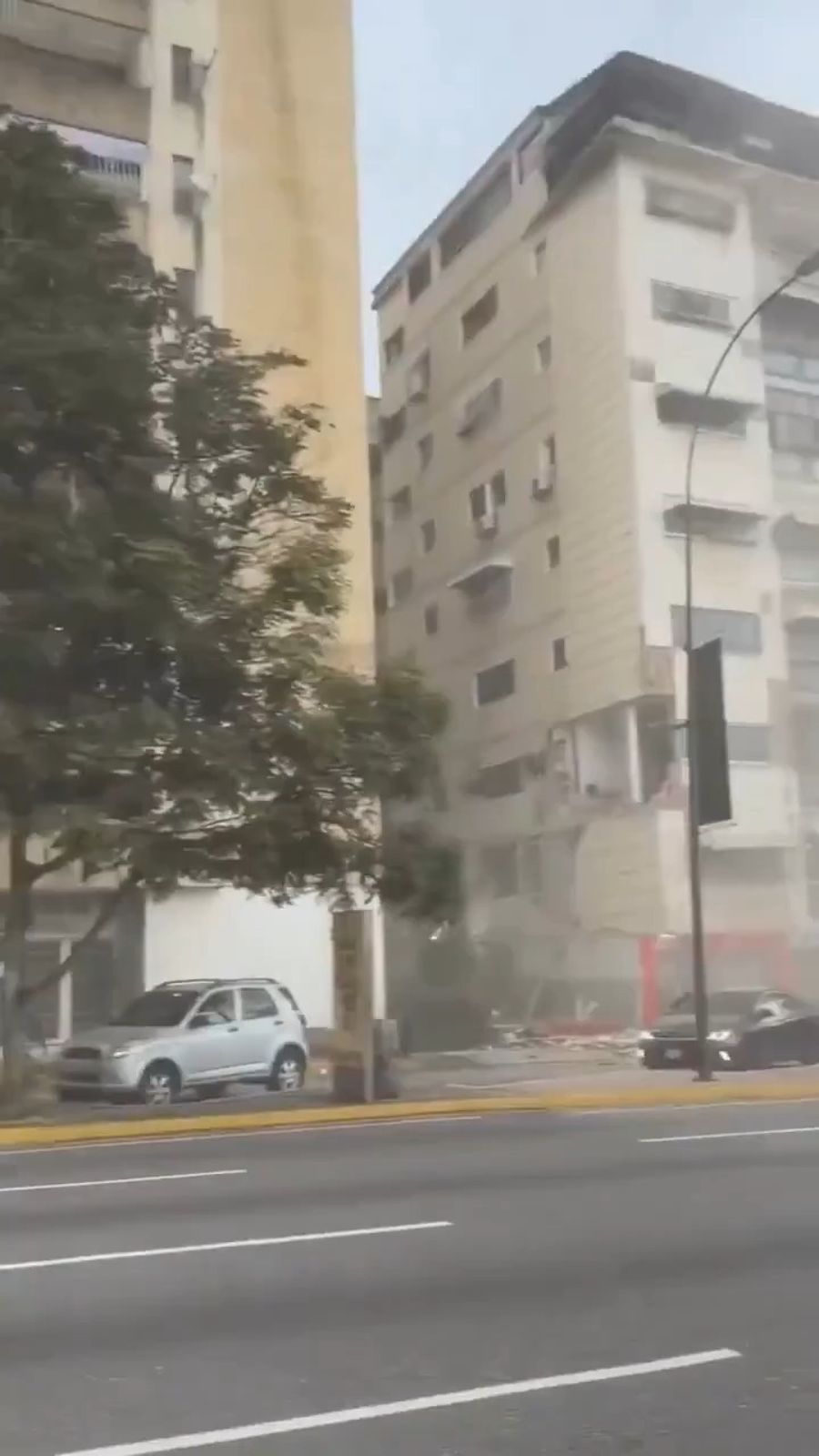
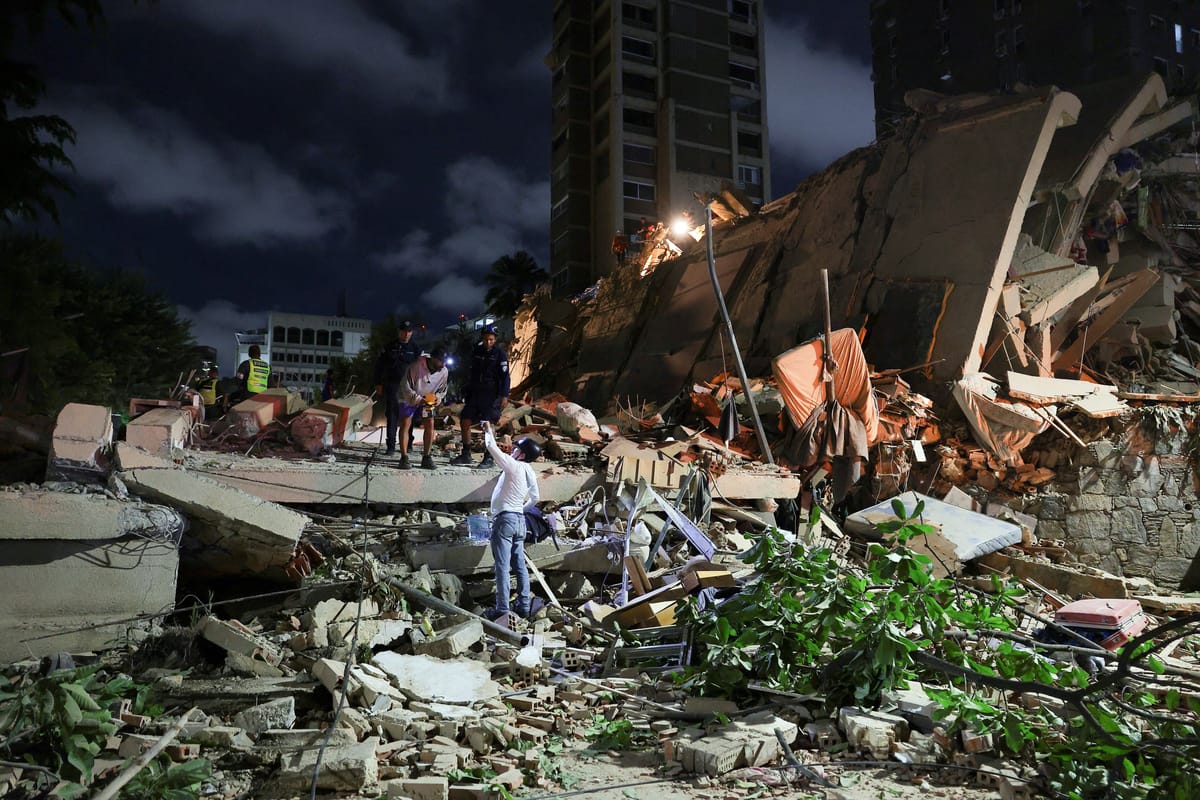
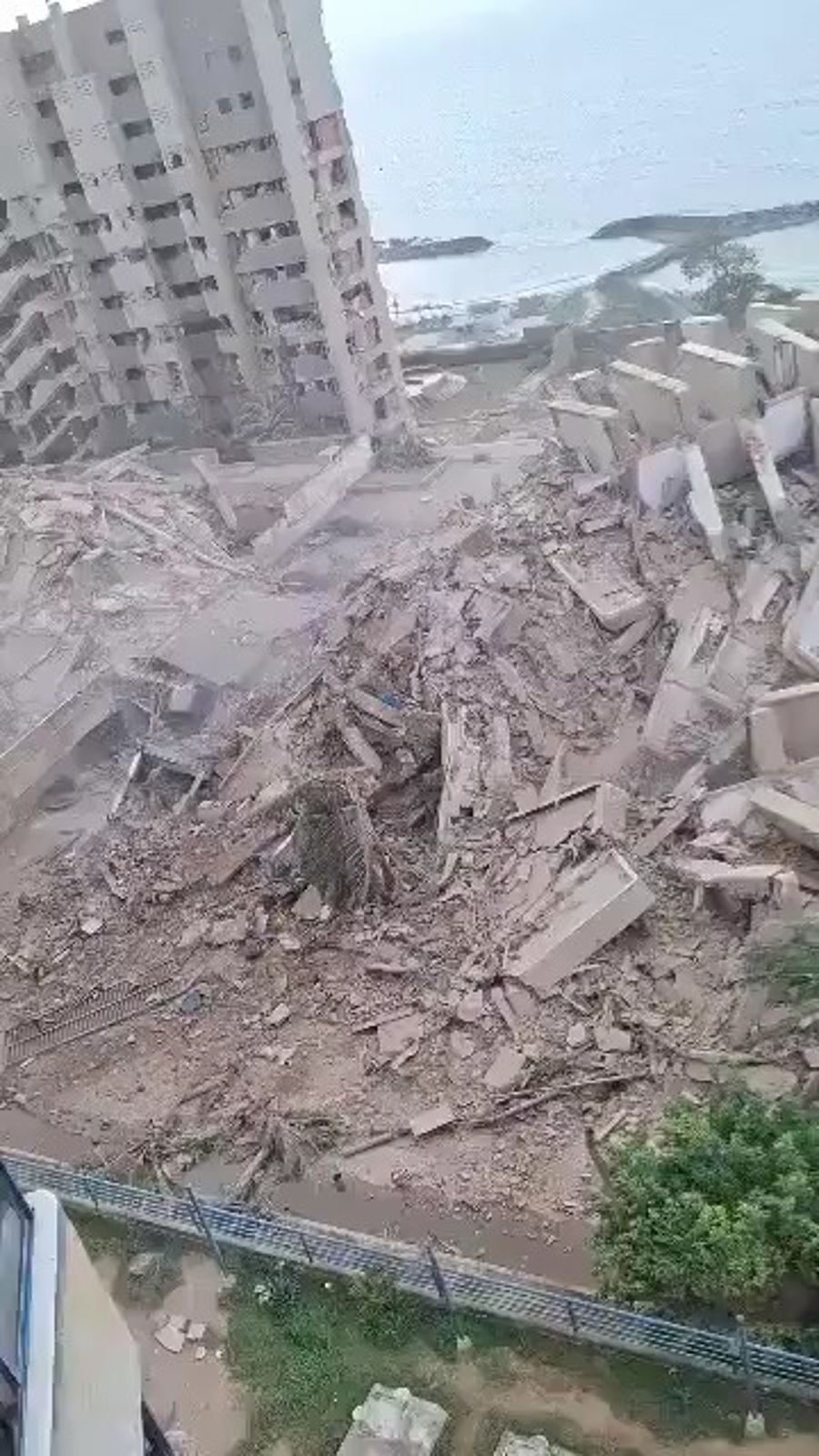
Twin earthquakes measuring 7.2 and 7.5 magnitude struck northern Venezuela within an interval of just 40 seconds on Thursday, causing widespread infrastructure failure. Heavy structural damage is concentrated in the capital city of Caracas and the northern coastal state of La Guaira, where entire blocks collapsed. Local emergency management agencies have confirmed at least 164 deaths and nearly 1,000 injuries, though foreign intelligence groups warn the final toll could easily exceed 10000 fatalities.
The level of destruction has overwhelmed local municipal capabilities, prompting specialized international tracking sites to log over 36000 unverified missing persons reports. Terrified citizens have begun documenting the grim realities of navigating the immediate aftermath of the building collapses. "When we started going down, it looked like a horror movie," local resident Maria Alejandra recounted while escaping her shaking neighborhood. She added that she had to climb over heavy rubble and only saw one family coming out of the building.
Other residents in high density neighborhoods expressed severe panic over the precarious structural integrity of their makeshift homes. "I was afraid I would die," 20 year old student Antoine Marin stated, explaining that he feared his house would be cut in half. Marin noted that many residences do not meet basic safety codes, adding that his university professor remains trapped inside a completely flattened building.
Acting President Delcy Rodriguez, who currently leads the transitional government following the recent military arrest of Nicolas Maduro by American forces, has declared a state of emergency. "Dozens of buildings collapsed, and we are carrying out very intense rescue efforts to save as many lives as possible, as God will allow us," Rodriguez announced during a state broadcast. The executive administrator emphasized the severity of the coastal impact, noting that La Guaira is a true tragedy, and it has become a disaster area.
Family members are congregating around collapsed residential structures, desperately seeking any information regarding missing relatives. "I only want to know where my son is," local resident Diana Delgado stated as heavy rescue machinery began arriving. Another displaced citizen, Christian Carreno, described the total loss of his apartment and vehicle after a 4 story building pancaked, noting that the whole ground floor was buried and he imagines there are trapped people there who could not get out.
In localized municipal zones, tactical teams managed to extract 23 survivors from deep pockets of concrete debris, including a 19 year old girl trapped between heavy slabs. Some survivors had to rely on civilian volunteers using primitive extraction methods before institutional help arrived. "They did not have many tools, they dug with their fingernails," 52 year old survivor Eric Paul Martinez Santos explained after spending 4 hours trapped inside his home. Santos added that he actively assisted his rescuers because they passed him a tool.
The destructive energy of the double tremor was felt hundreds of kilometers away, triggering massive power and water outages across surrounding provinces. In the town of Moron, located right near the epicenter, entire homes dissolved, resulting in 8 confirmed deaths including 3 young children. "It felt as if all the houses were collapsing on us," 29 year old Gaylyn Morales recalled after fleeing her home with her family moments before it was destroyed.
United States Secretary of State Marco Rubio confirmed that American search assets are deploying immediately to assist in the recovery mission. The United Nations has also fully mobilized its humanitarian response frameworks to coordinate incoming foreign assets. "We are fully mobilized now, we will send people, we will send solidarity, and above all we will send support in search and rescue," United Nations humanitarian chief Tom Fletcher declared.
Elderly residents noted that the scale of the current disaster easily eclipses historical seismic events in the region. "This tremor was terrible, even more than the one of 1967," 80 year old retiree Maria Romero stated as security forces helped her evacuate. Ongoing aftershocks continue to rock the northern coastline, forcing thousands of displaced families to sleep in open fields due to fears of secondary structural failures.
The Israeli Foreign Ministry announced immediate preparations to deploy emergency aid to the devastated territory despite lacking official diplomatic relations with the country. Israeli non profit organizations, including NATAN Worldwide Disaster Relief, IsraAid, and ZAKA, are mobilizing specialized emergency teams to establish mobile clinics and assist in pulling victims from the rubble. This humanitarian response marks a significant shift after decades of anti Israel policy maintained by previous regimes, which had driven 90 percent of the local Jewish population out of the country.