The Hormuz Squeeze

Iran: All Ships Must Coordinate Hormuz Passage

IRGC Navy warns any vessel transiting the strategic waterway without Iranian authorization faces enforcement action • Move contradicts Trump's claims of free passage | Tehran tightens grip on global oil chokepoint (World News)

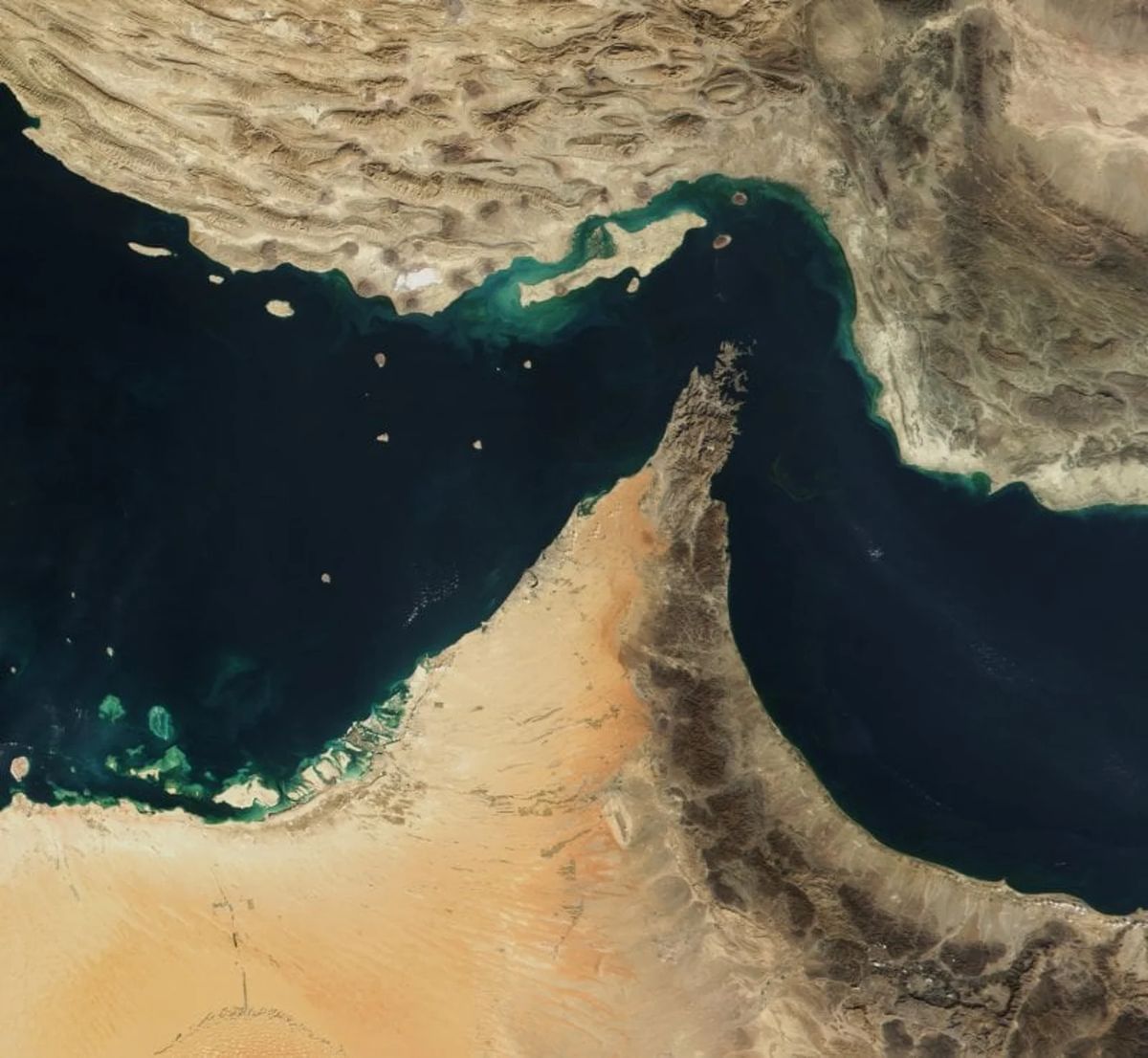
Strait of Hormuz

Iran's Islamic Revolutionary Guard Corps Navy issued a stark warning Thursday that all maritime traffic through the Strait of Hormuz must coordinate passage directly with Tehran, marking a dramatic escalation in Iranian assertions of control over the strategic waterway through which roughly 20 percent of global oil supplies transit daily.

The IRGC statement declared that any vessel attempting to pass through the strait without Iranian authorization would be considered dangerous and subject to enforcement measures. "The route announced by certain authorities for passage through the Strait of Hormuz, without coordination with Iran, is not acceptable and constitutes a danger," the official notice stated, according to reports in Hebrew media.

The declaration establishes a direct challenge to international maritime law and recent claims by President Donald Trump that the strait would remain open for free navigation. "Navigation of vessels outside the routes we determine is dangerous and prohibited," the IRGC warned, adding that coordination via Channel 16, the international maritime distress frequency, is now mandatory for all transits.
Direct Contradiction to Trump's Victory Claims

The Iranian move comes just days after Trump boasted on social media that 19 million barrels of oil had passed through the Strait of Hormuz, "an all-time record," he claimed, while declaring that "oil prices are plummeting, and the world is a much safer place."

Iranian security officials swiftly contradicted the president's account. A senior Iranian security source told the Fars News Agency that "the number of ships passing through the Strait of Hormuz is limited. Each day a certain number of vessels are authorized to pass through the strait, and this number changes daily. The volume of approvals is updated according to circumstances and conditions on the ground."

The statement reveals a fundamental gap between Washington's public narrative of diplomatic success and Tehran's operational reality on the water. While Trump has portrayed the emerging U.S.-Iran framework as restoring normal maritime commerce, Iran's military apparatus is systematically establishing mechanisms of control that give Tehran veto power over global energy flows.

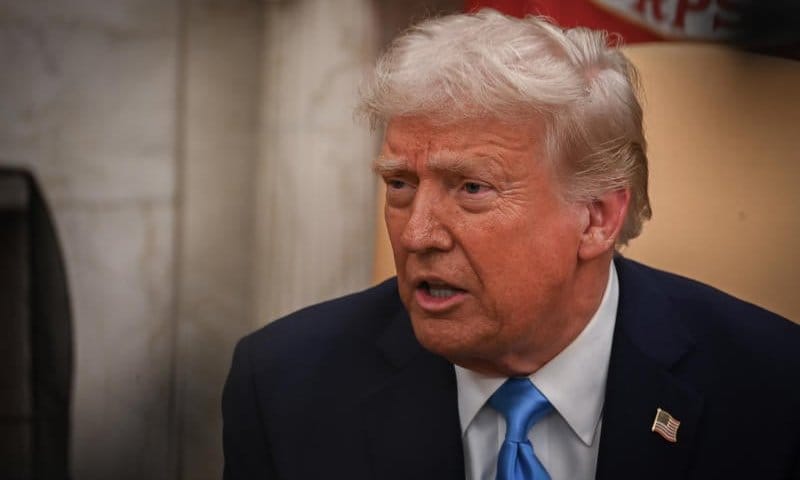
President Donald Trump
President Donald Trump (Photo: Liri Agami / flash 90)

Diplomatic Cover, Military Reality

Adding to the diplomatic complexity, Iran and Oman issued a joint statement Thursday affirming their commitment to ensuring "safe passage through the Strait of Hormuz, in accordance with relevant international law provisions, while emphasizing their sovereignty and rights over territorial waters in the strait."

The carefully worded declaration appeared designed to provide diplomatic cover for Iranian control while maintaining the fiction of international legal compliance. Yet the IRGC's simultaneous announcement of mandatory coordination requirements exposed the hollowness of such assurances.

The contradiction mirrors a pattern that has emerged repeatedly in recent weeks: Iranian diplomats in Switzerland negotiate frameworks with American counterparts while Iran's military establishment publicly repudiates key elements of those same arrangements. The IRGC's rejection of an Oman-IMO shipping corridor earlier this week followed an identical pattern, coming just hours after Iranian negotiators visited Muscat for consultations.

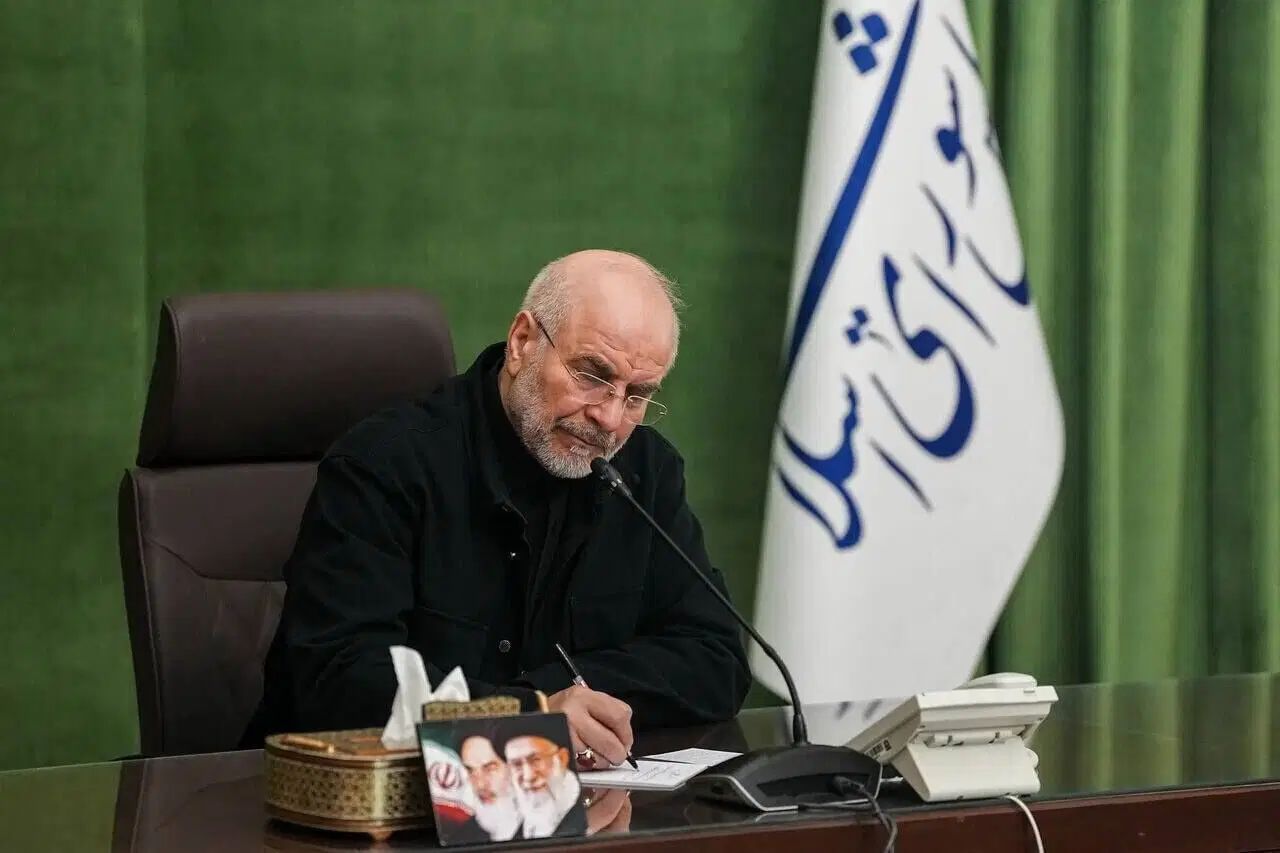
Ghalibaf
Ghalibaf (Photo: social media)

Leverage Against Israel

Former Israeli National Security Advisor Professor Yaakov Nagel warned that Iran's control over Hormuz creates a dangerous diplomatic weapon that could be wielded against Israeli interests. "Iran can say at the negotiating table: 'The Strait of Hormuz matters to you? Then have Israel withdraw from Lebanon,'" Nagel explained, outlining the extortion mechanism Tehran is constructing.

According to Nagel, "The equation Iran is creating between global freedom of navigation and the local arena constitutes an effective tool of extortion against the West, whose price Israel may pay if it does not demonstrate resolve." He added that "the appetite for terror of the axis of evil will only grow following such achievements."

The warning takes on added significance given ongoing U.S. pressure on Israel regarding southern Lebanon, where American officials have pushed for IDF withdrawals despite Israeli security concerns. Iran's ability to threaten global energy supplies gives Tehran leverage to demand concessions that serve its regional proxies, particularly Hezbollah.

The Hormuz developments come as the U.S. Treasury Department issued a 60-day general license permitting Iranian oil production and sales — part of the Swiss-mediated framework that Trump has portrayed as a diplomatic breakthrough. Yet Iran's simultaneous assertion of unilateral control over the strait through which that oil must flow reveals the fundamental imbalance in the arrangement: Tehran gains sanctions relief while retaining the ability to shut down global energy flows at will.

Further updates to follow as the situation develops.

Ready for more?

Join our newsletter to receive updates on new articles and exclusive content.

We respect your privacy and will never share your information.

Enjoyed this article?

Yes (37)
No (1)
Follow Us:

Unmissable content


Loading comments...

Also of Interest