The impending formalization of the sweeping diplomatic pact between Washington and Tehran has ignited intense panic among defense analysts following the structural leak of the fourteen point memorandum of understanding. While administrative spokespersons in Western capitals have repeatedly assured the public that the framework guarantees a comprehensive freeze on unconventional military ambitions, the granular legal phrasing of the text suggests a near total capitulation to the core interests of the Ayatollah regime. Specialized strategic analysts reviewing the formal document have identified numerous glaring omissions, structural ambiguities, and massive financial concessions that appear to fundamentally compromise the long term safety of regional democratic nations without providing ironclad verification protocols.
The foundational text of Article Eight exposes a catastrophic semantic loophole that completely contradicts months of public assurances issued by the executive branch in Washington. The clause explicitly states that the Islamic Republic of Iran reiterates that it will never produce nuclear weapons, a precise legal formulation that completely omits any restriction against purchasing, inheriting, or otherwise obtaining fully assembled atomic warheads from sympathetic foreign partners. Furthermore, the article notes that the Islamic Republic of Iran and the United States have agreed that the fate of enriched material and the fate of all other mutually agreed nuclear related issues, including Iran’s nuclear needs, will be adequately addressed in a final agreement, creating intense alarm over why an authoritarian regime has any legitimate nuclear needs given its vast domestic fossil fuel resources.
The strategic dangers are further intensified by Article Nine, which codifies a highly permissive nuclear status quo during the upcoming sixty day negotiation sprint, stating that pending a final agreement, they will maintain the status quo, Iran will maintain the status quo on its nuclear program, and the United States will not impose new sanctions on Iran or strengthen its forces in the region. This particular baseline effectively protects Iran's highly volatile existing stockpiles of sixty percent enriched uranium from any immediate punitive actions or mandatory dilution protocols. Intelligence experts warn that this freeze leaves the regime sitting directly at the absolute threshold of a multi weapon breakout capability while restricting the United States military from reinforcing its regional defensive postures to counter sudden asymmetrical provocations.
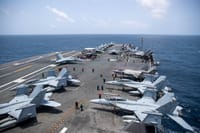
Compounding these structural loopholes, the economic components of the leaked pact outline an immediate, multi billion dollar financial restoration for the clerical government. According to reputable financial intelligence dispatches, including reports verified by Reuters and the Wall Street Journal, the United States Treasury Department has already agreed to issue immediate, comprehensive waivers covering the export of Iranian crude oil, petrochemical products, and their derivatives, alongside essential global services like banking, insurance, and international transportation. In a practical demonstration of this immediate relaxation, an Iranian supertanker successfully departed from the port of Chabahar, crossing the active American naval embargo line and entering the Gulf of Oman while openly broadcasting its automated identification transponder for the first time since the blockade was instituted.
The broader reconstruction initiatives are similarly staggering, with separate diplomatic cables revealing the creation of a massive 300 billion dollar economic development fund dedicated entirely to reviving Iran's domestic infrastructure. This specialized investment apparatus will be populated entirely by private corporations operating out of the United States, East Asia, South America, Africa, and various Gulf states, ensuring that no direct government funds are utilized while still providing the regime with an unprecedented wave of commercial capital. While the text specifies that Tehran will not receive immediate, uninhibited access to tens of billions of dollars in frozen foreign bank accounts until further compliance thresholds are satisfied, the immediate removal of primary and secondary energy sanctions guarantees that the regime will secure the financial liquidity necessary to fund its regional proxies and consolidate internal political control.