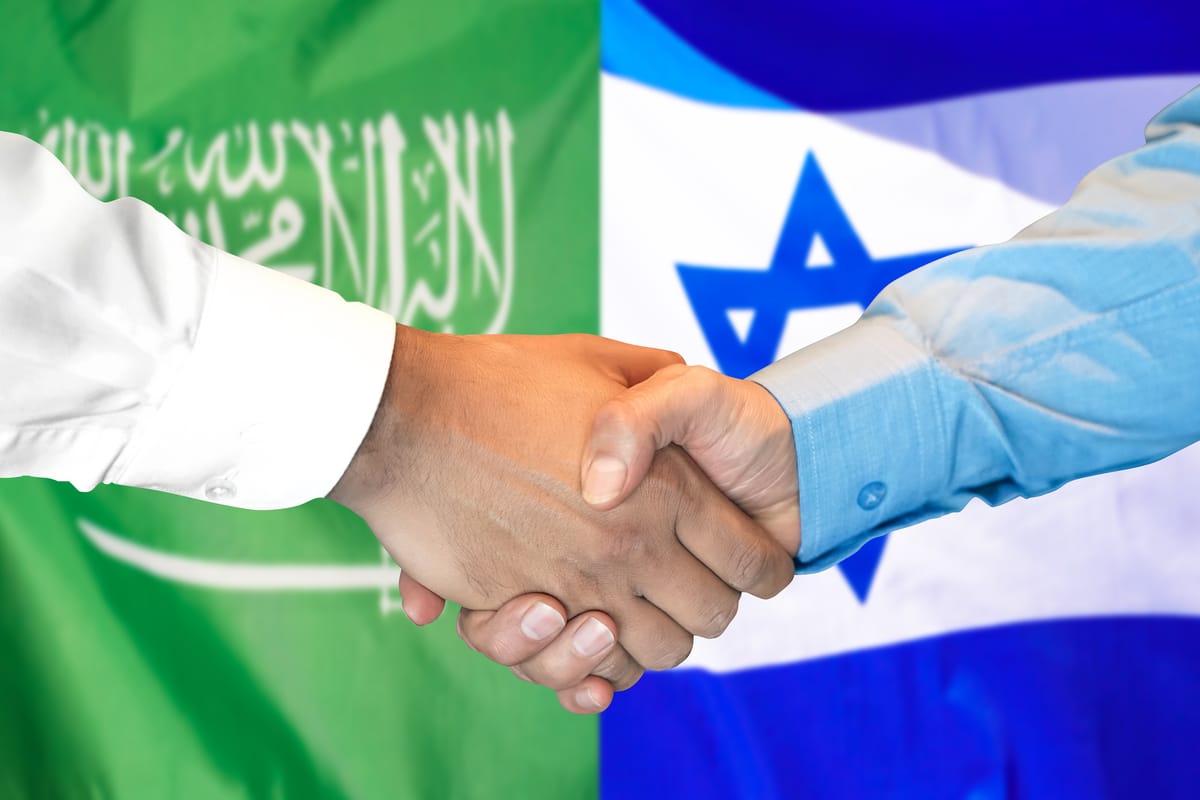
Saudi Arabia has reportedly conveyed to senior American officials that it is prepared to reopen discussions about joining the Abraham Accords, but only if Israel meets a set of political conditions that its current government is unlikely to accept, according to a report in Israel Hayom citing three sources familiar with the contacts.
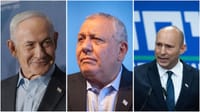
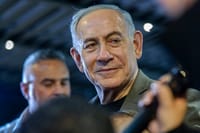
Representatives of Saudi Crown Prince Mohammed bin Salman have outlined two central demands in recent weeks, the sources said. The first is that Prime Minister Benjamin Netanyahu no longer serve as prime minister following the next Israeli elections. The second is that policies advanced by Finance Minister Bezalel Smotrich in Judea and Samaria be reversed. Saudi officials view the two demands as linked, reasoning that as long as Netanyahu remains in power, he will likely continue to back Smotrich's approach in Judea and Samaria, making a normalization deal unworkable under present circumstances.
The Saudis have reportedly raised a third element as well. During the war, Riyadh explored the possibility of formal recognition of Israel on several occasions in exchange for major concessions on the Palestinian question, including a public commitment from Netanyahu to support the eventual establishment of a Palestinian state. Netanyahu has rejected that demand.
The contacts described in the report were conducted through the White House, the State Department, and members of Congress, suggesting Riyadh is keeping multiple channels open in Washington even as it withholds a formal commitment.
The reported conditions place Saudi Arabia in a familiar bind. The kingdom has long signaled genuine interest in joining the Abraham Accords, seeing normalization as a path to closer American security guarantees and a stronger regional position against Iran. At the same time, Saudi officials appear skeptical that Netanyahu's coalition, as presently constituted, could ever deliver movement on the West Bank or the Palestinian file, leaving Riyadh to weigh whether a deal is realistically available before Israel's political landscape changes.
One of the men who spent his final weeks trying to close that gap was Senator Lindsey Graham, who died on Saturday. According to Axios, citing conversations with reporter Barak Ravid, Graham had been quietly laying the groundwork for a renewed diplomatic push on Saudi-Israel normalization in the weeks before his death, describing it as the defining prize of a broader postwar settlement for the Middle East, one he believed could outlast the military campaign against Iran and reshape the region.
Graham had discussed the initiative directly with President Trump and with envoys Jared Kushner and Steve Witkoff, and held extensive conversations with Netanyahu's close confidant Ron Dermer, Saudi Ambassador to Washington Princess Reema bint Bandar, and Saudi Foreign Minister Prince Faisal bin Farhan. He was finalizing plans to travel to both Saudi Arabia and Israel to assess whether either capital had the political will to revive active negotiations, and hoped intensive work could begin in September so that the framework of a deal could be in place by November, ahead of Israel's expected October election and the seating of a new US Congress in January.
Graham identified the same two obstacles now shaping the public conversation around a deal, telling Ravid that any agreement would need enough bipartisan support in Congress and an Israeli government willing to meet Saudi Arabia's conditions, a combination he had not yet secured when he died. Hours before his death, Graham reportedly joked to a confidant that he "can't die now," citing unfinished work on Russia sanctions, Iran, and Israeli-Saudi normalization.
Saudi Arabia has never established formal diplomatic relations with Israel. Talks came closest to fruition in 2023 under the Biden administration before collapsing after the Hamas attack of October 7, and Riyadh has since hardened its position, insisting on an irreversible, time-bound pathway to Palestinian statehood as a baseline condition.
Whether Graham's groundwork survives his death, and whether any Israeli government elected in October would be willing to meet Saudi terms, remains an open question.