After decades of searching, researchers in the Philippines are reporting the discovery of a potential uranium source in Camarines Norte province in the country's northeast. The find was made in the Samar area of the Larap-Paracale mining district, near the town of Jose Panganiban, a region that has been explored for uranium since the 1950s.
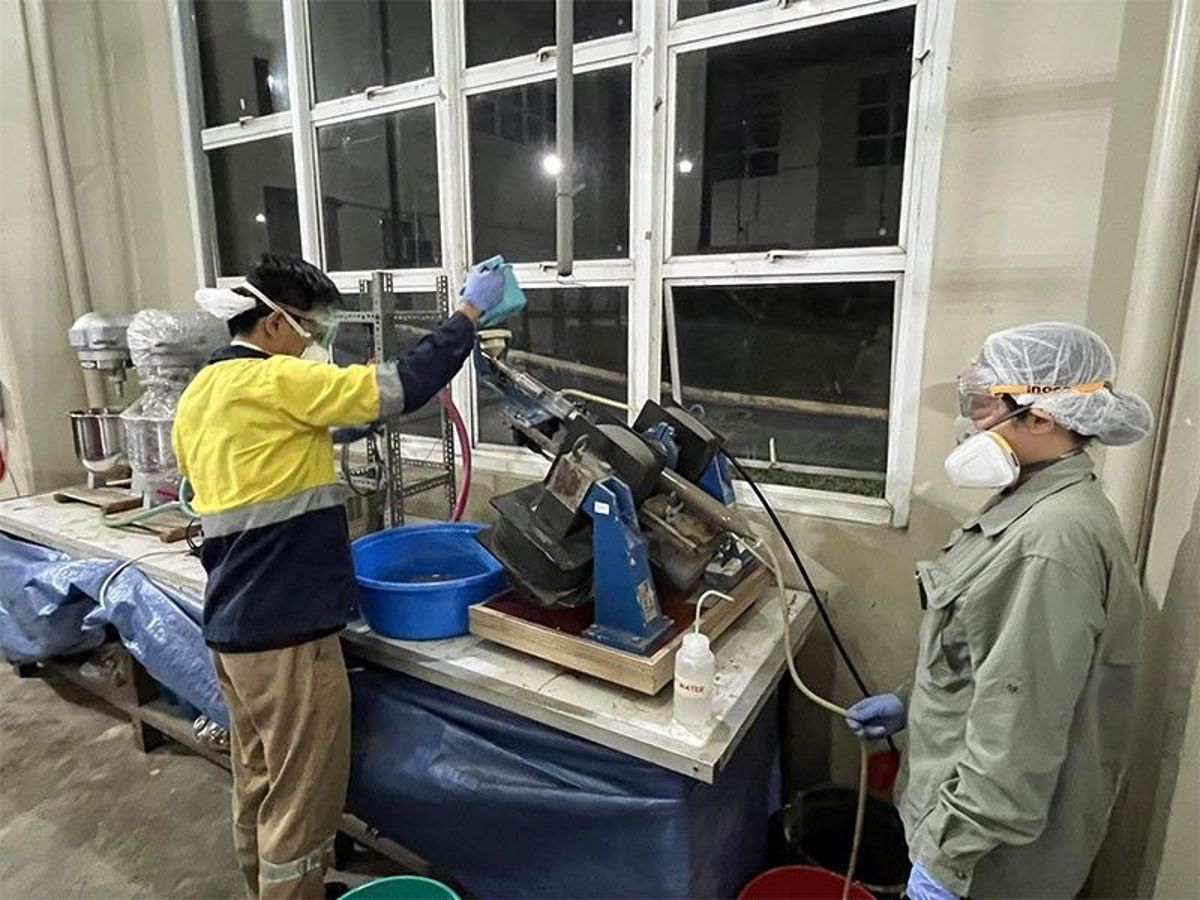
The research was conducted jointly by scientists from the Philippine Nuclear Research Institute (PNRI), the University of the Philippines and Akita University in Japan. Testing of the examined layers found relatively high concentrations of uranium, with the primary uranium-bearing mineral in the area identified as uraninite. The researchers also examined methods for processing the material and increasing its uranium concentration.
One possible goal of continued research is the production of uranium concentrate known as "yellowcake", an intermediate material used in preparing nuclear fuel. However, officials at the nuclear research institute stressed that at this stage, the testing involves only materials and findings close to the surface, and there is no proof yet that the site contains a deposit that could be exploited economically.
More detailed geological, radiometric and geophysical surveys will now be required, followed by drilling to determine the size of the deposit, its depth and uranium concentration. Only if a significant quantity is confirmed will additional questions be examined, including mining and processing costs, environmental and radiation impacts, regulatory requirements and potential effects on local communities.
The discovery comes at a time when the Philippines is considering broader integration of nuclear energy into its electricity grid. In recent years, the government has been advancing plans to establish nuclear generation capacity, alongside expanding renewable energy sources and reducing dependence on imported fuels. However, public and political debate continues in the country over the safety, regulation and environmental impacts of nuclear projects.
Despite the excitement surrounding the find, the researchers themselves are tempering expectations: even if it is later confirmed that the area contains an economically significant uranium resource, the path from here to producing domestic nuclear fuel is long and complex. At this stage, this is primarily an important scientific step that restores to the Philippines the ability to explore in an advanced manner the possible uranium reserves located within its territory.