Get our mobile app
Download on the App StoreGet it on Google Play

Aviation Terror

When the co-pilot turns killer mid-flight

The Fly Dubai attack is only the latest in a series of cases where the cockpit became a death trap | From the FedEx hammer assault to the EgyptAir dive and the Germanwings co-pilot who flew 150 people into the Alps | A look at the flights where crew turned on crew

When the Co-Pilot Decides to Kill Everyone: the History of Cockpit Murder-Suicide

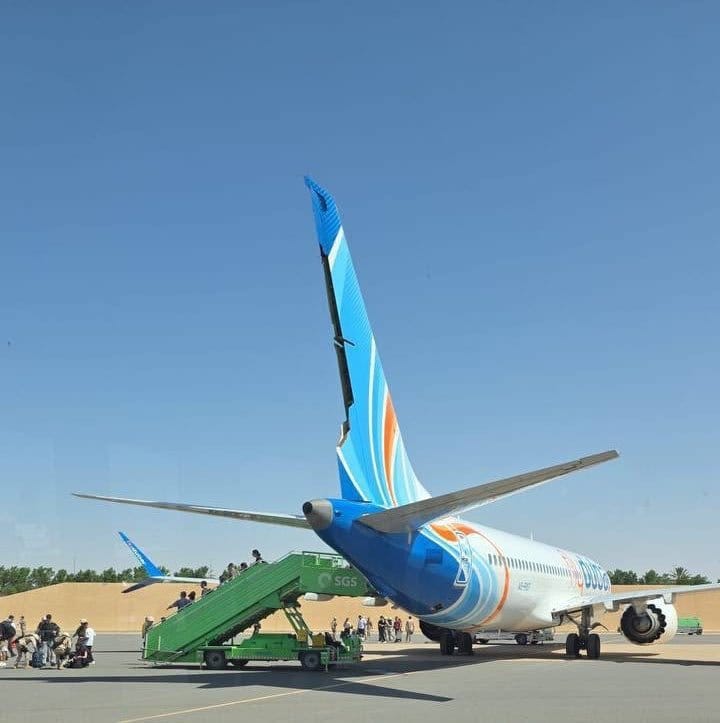
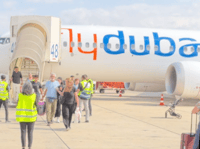
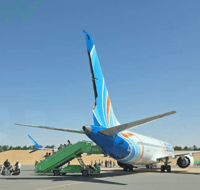
At 5:21 a.m. last Wednesday, cruising at 34,000 feet on the way from Dubai to Tel Aviv, the co-pilot of Flydubai flight 1073 attacked his captain, and the plane fell more than 14,000 feet in 30 seconds. He had asked to pray, then struck the captain from behind. The 182 people on board are alive because the wounded captain, Smit Machchhar, managed to open the cockpit door, and because passengers and two reserve pilots did the rest.

It was the rarest kind of aviation disaster, and this time it failed. The times it succeeded form a short and terrible list.

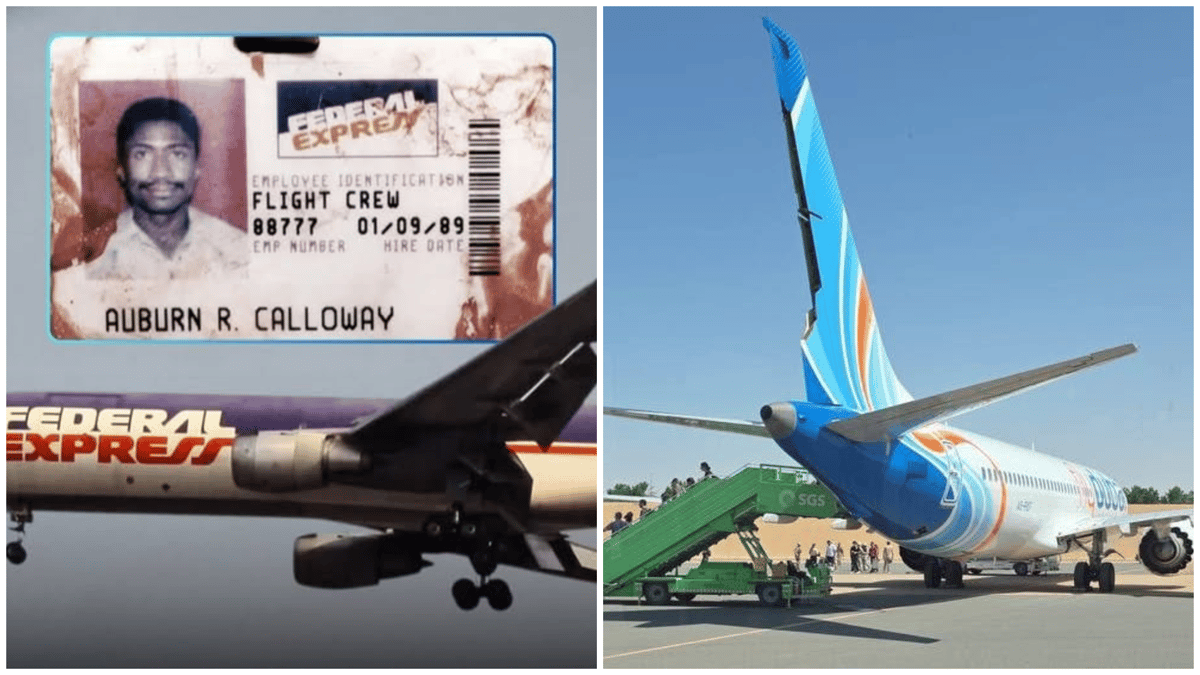
The yoke damaged after the Fly Dubai incident. The yoke is the aircraft's steering control in the air. When pilots move it, it helps turn the nose of the plane left or right and keep it pointed in the direction they want to fly.
The yoke damaged after the Fly Dubai incident. The yoke is the aircraft's steering control in the air. When pilots move it, it helps turn the nose of the plane left or right and keep it pointed in the direction they want to fly. (Photo: Social media)
Yaniv and the heroes meeting with the Prime Minister
Yaniv and the heroes meeting with the Prime Minister (Photo: Social media)

The first modern case came in February 1982, when a Japan Air Lines captain crashed his plane into Tokyo Bay on approach to Haneda. His crew fought him in the cockpit. Twenty-four of the 174 people on board died.

In August 1994, a Royal Air Maroc turboprop went down in the Atlas Mountains ten minutes after leaving Agadir, killing all 44 aboard. Investigators concluded the captain had done it deliberately because he wanted to end his life. Royal Air Maroc is also the airline where the Flydubai co-pilot trained for three months in 2025 before being turned down.

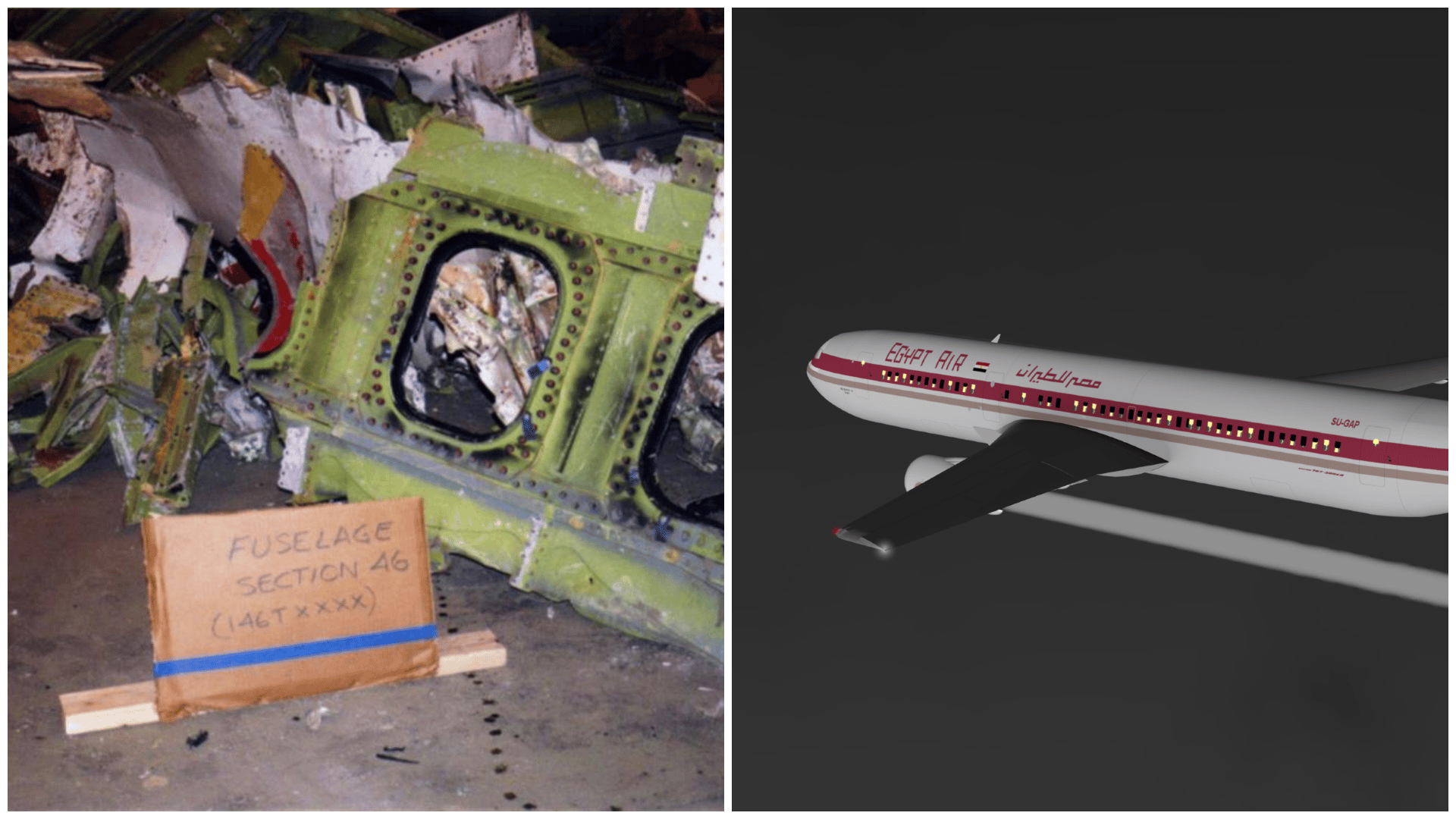
Then came the cases that governments refused to accept. SilkAir flight 185 plunged into an Indonesian river in December 1997, killing 104. American investigators ruled it a deliberate act by the captain, while Indonesia listed the cause as undetermined. Two years later EgyptAir flight 990 fell into the Atlantic off Massachusetts with 217 people aboard. US investigators said the co-pilot cut power to the engines and pointed the plane down while repeating, "I rely on God." Egypt has always rejected that finding.

EgyptAir flight 990
EgyptAir flight 990

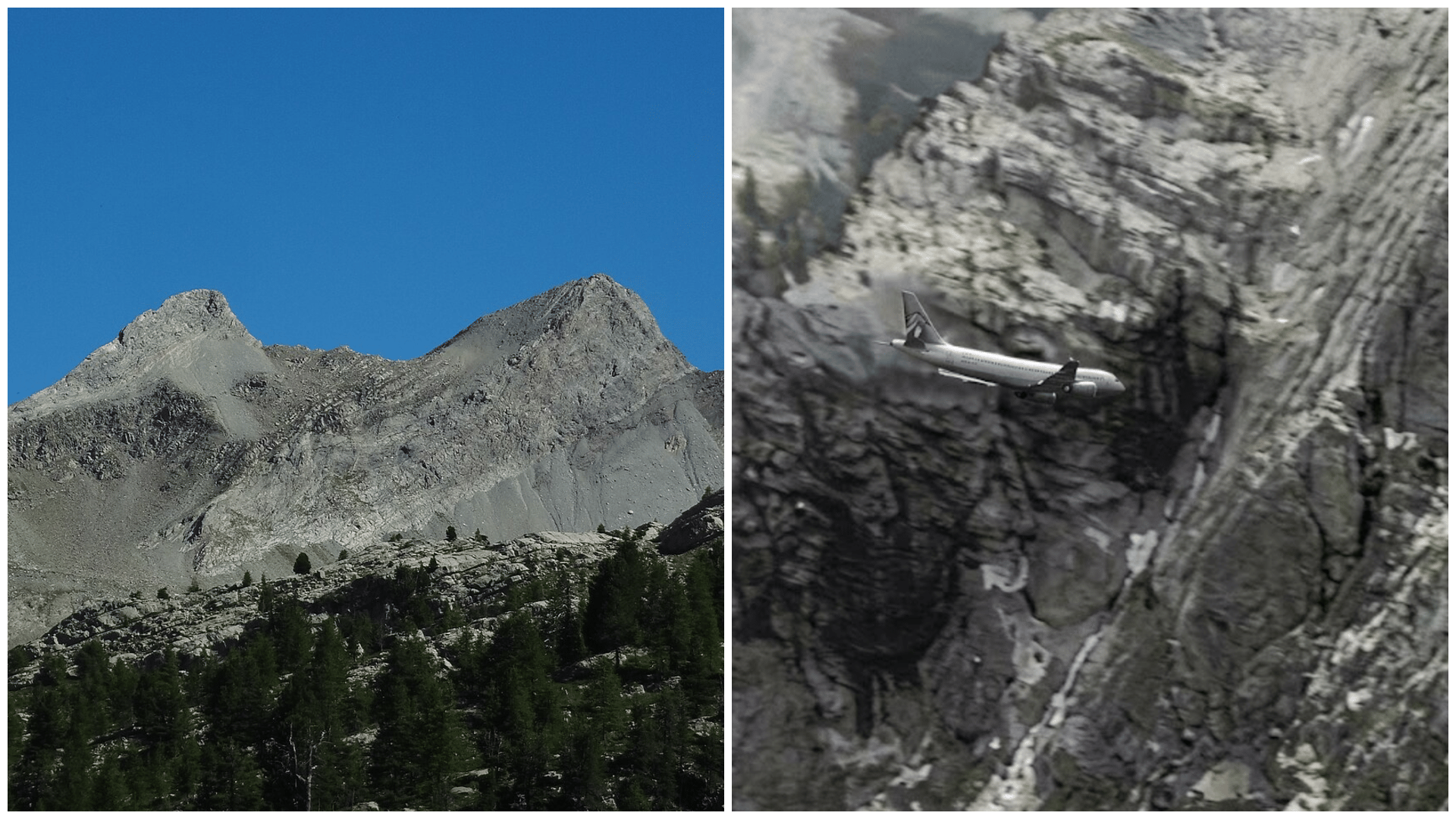
In November 2013, the captain of a Mozambique Airlines jet locked his co-pilot out of the cockpit and flew into the ground in Namibia, killing 33. Sixteen months later Andreas Lubitz, a Germanwings co-pilot, waited for his captain to leave for the bathroom, locked the door and flew an Airbus into the French Alps. All 150 people on board died.

Germanwings flight 9525
Germanwings flight 9525 (Photo: By Sébastien Thébault - Self-photographed, CC BY-SA 3.0, https://commons.wikimedia.org/w/index.php?curid=35127505)

The suspected cases are larger still. Malaysia Airlines flight 370 vanished in 2014, and a deliberate act by the captain remains one of the leading theories. China Eastern flight 5735 dropped out of the sky in 2022, killing 132, and China has never published a final report. A US recorder report released this April showed that both engine fuel switches were moved to cutoff while the plane cruised at 29,000 feet. In the Air India crash that killed 260 people in Ahmedabad last year, a preliminary report found the fuel switches moved to cutoff three seconds after liftoff. Indian investigators have not determined why.

Two patterns run through the list. The first is opportunity: in four of the six confirmed or officially suspected crashes, the pilot waited until he was alone at the controls. The second is denial. A finding of pilot suicide is almost always disputed, by governments, airlines or pilot unions.

The locked cockpit door sits at the center of the problem. Hardened doors were introduced after September 11 to keep hijackers out. In the Alps and in Namibia, they kept the other pilot out. As aviation security expert Jeff Price told TIME, the measures do little good when "the problem is coming from inside the house." Screening offers limited protection. Pilots largely bypass passenger-style security on trust, and psychological checks in the United States amount to a questionnaire in the flight medical exam.

Flydubai 1073 belongs on this list, and it also breaks the pattern. The UAE's attorney general has called it an attempted terrorist act, and sources briefed on the investigation say the co-pilot indicated he meant to crash the plane in Israel. The earlier pilots were driven by private despair or grievance. This one, by the available evidence, was driven by ideology and had a target.

He also did not wait to be alone. He attacked a captain who was sitting beside him, with the emergency axe that every cockpit carries. That is the only reason there was anyone to fight back, and the only reason the door that doomed Germanwings was opened from the inside.

For Israel, the lesson is uncomfortable. Its aviation security is built to stop the passenger with a weapon. The threat last week had a uniform, a license and a seat at the controls.


Ready for more?

Join our newsletter to receive updates on new articles and exclusive content.

We respect your privacy and will never share your information.

Enjoyed this article?

Yes
No
Follow Us:

Unmissable content


Loading comments...

Also of Interest