In a dramatic escalation of Operation Epic Fury, the United States is reportedly preparing for the next phase of the conflict: limited ground operations within Iranian territory.
While President Trump has yet to give the final "go" signal, reports from the Washington Post and The New York Times indicate that the Pentagon is moving assets into place for what could be the closing chapter of the month-long war.
Elite Strike Force Hits the Region
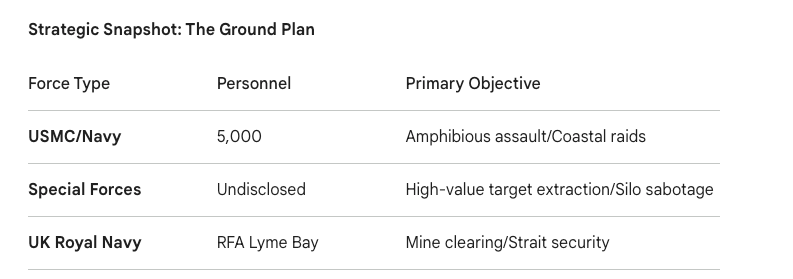
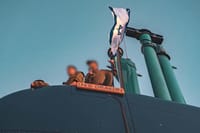
On Saturday, March 28, a formidable reinforcement arrived in the Middle East. High-ranking defense officials confirmed the deployment of 5,000 U.S. personnel, consisting of 2,500 Marines and 2,500 sailors, assigned to the USS Tripoli (LHA-7) Amphibious Ready Group.
The arrival of these "boots on the ground" shifts the calculus from a purely aerial and naval campaign to one of physical presence. Senior Pentagon sources, speaking on condition of anonymity, outlined the potential scope:
- Targeted Raids: Operations would likely involve a mix of Special Operations Forces and conventional infantry.
- Strategic Objectives: Planning has focused on seizing Kharg Island, Iran's primary oil export hub, and conducting raids along the Strait of Hormuz to neutralize anti-ship missile batteries.
- Duration: Estimates for these missions range from a few weeks to two months, described by one official as "weeks, not months."
"Maximum Options" for the Commander-in-Chief
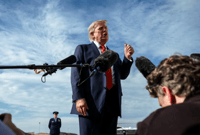
Despite the advanced state of military planning, the White House is maintaining a stance of strategic ambiguity. Press Secretary Karoline Leavitt clarified that the Pentagon’s role is to provide the President with "maximum options," noting that a final decision on ground entry has not been made.
However, Leavitt issued a stark warning: should Tehran fail to abandon its nuclear ambitions and cease threats against U.S. allies, President Trump is "prepared to unleash hell."
The Coalition Expands
The United States is not acting alone. The United Kingdom is reportedly deploying the amphibious landing ship RFA Lyme Bay to assist in reopening the Strait of Hormuz, ensuring freedom of navigation in the world’s most critical oil chokepoint.
Context: One Month of "Epic Fury"
The war, which began on February 28, 2026, has already seen the near-total destruction of the Iranian Navy and severe damage to the regime's energy and military infrastructure.
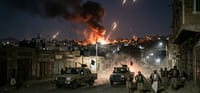
While the aerial campaign has been devastating, as evidenced by the recent strike on the Khamenei compound and the ongoing fire at Kuwait Airport, military analysts suggest that ground raids may be the only way to permanently dismantle deeply buried missile silos and nuclear research facilities.
As the 10-day ultimatum extension continues to tick down, the presence of thousands of Marines off the Iranian coast suggests that if diplomacy fails, the "final phase" will be fought on the ground.