Commanders of European Command and Southern Command told Hegseth that transferring ships and intelligence-gathering aircraft to Central Command has compromised their ability to fulfill homeland defense obligations. Indo-Pacific Command chief Admiral Samuel Paparo formally disagreed with the sustained support level required from his command, including a carrier strike group and destroyers.
Admiral Daryl Caudle, Chief of Naval Operations, presented the starkest picture in the assessment. He argued the Navy cannot sustain current support levels without a projected end date. The service has been required to provide dozens of vessels for the campaign, first for strikes and defense, then to enforce a blockade on Iranian ports.
Caudle noted that only about a quarter of the military's destroyer fleet is currently ready for deployment, a sharp decline from pre-war readiness levels. The document states that the impact on ship maintenance jeopardizes fleet availability in case of additional conflicts. Speaking at an event in Norfolk, Caudle said, "I'm generally not a big fan of extensions, and I push back hard against them, but the enemy gets a vote."
Force depletion and ammunition shortages
The 82nd Airborne Division, which deployed 2,000 troops in March, will remain in the Middle East at least until September, with expectations of further extension. Deployments of units operating Patriot air defense systems are also expected to expand, while interceptor depletion limits the administration's ability to escalate the fighting.
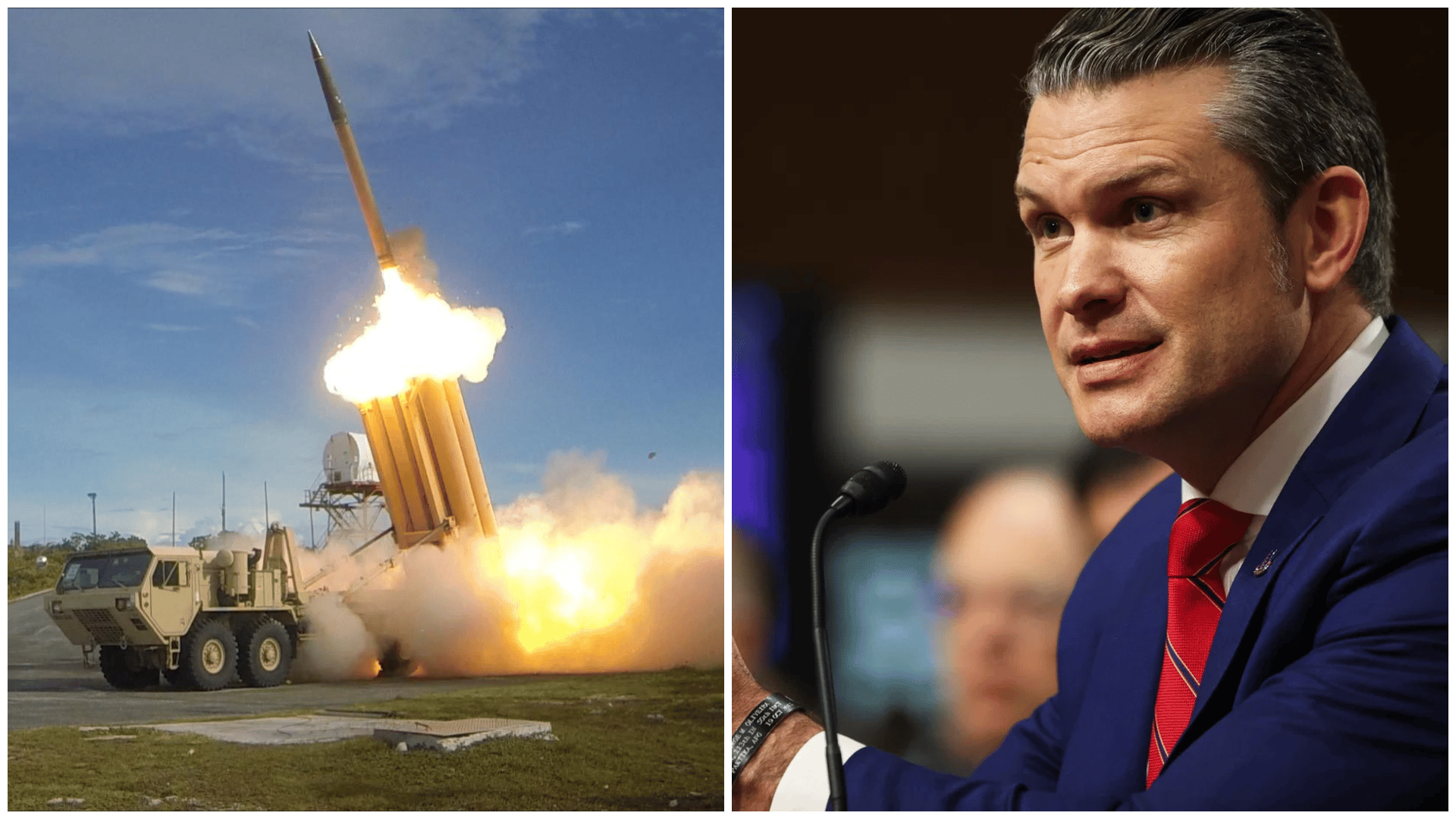
The war has depleted stocks of THAAD interceptors and Tomahawk missiles, alongside the loss of approximately 25 percent of the Pentagon's Reaper drone fleet and billions of dollars in damage to regional bases. The administration continues to maintain that reports of ammunition shortages are inaccurate.
Numerous Air Force units sent to the Middle East for strike missions and round-the-clock operations are scheduled to remain in the region into 2027. These formal disagreements join earlier warnings from commanders, including General Dan Cain, who cautioned before fighting began about insufficient ammunition availability.
Spokesman Sean Parnell responded that "decisions regarding the scope and duration of specific force commitments to each combatant command are made based on the current threat assessment, strategic priorities set by the President, and the advice of the Chairman of the Joint Chiefs and combatant commanders." He added that the Pentagon "does not discuss internal operational processes" or concur and non-concur positions given during force allocation deliberations.