
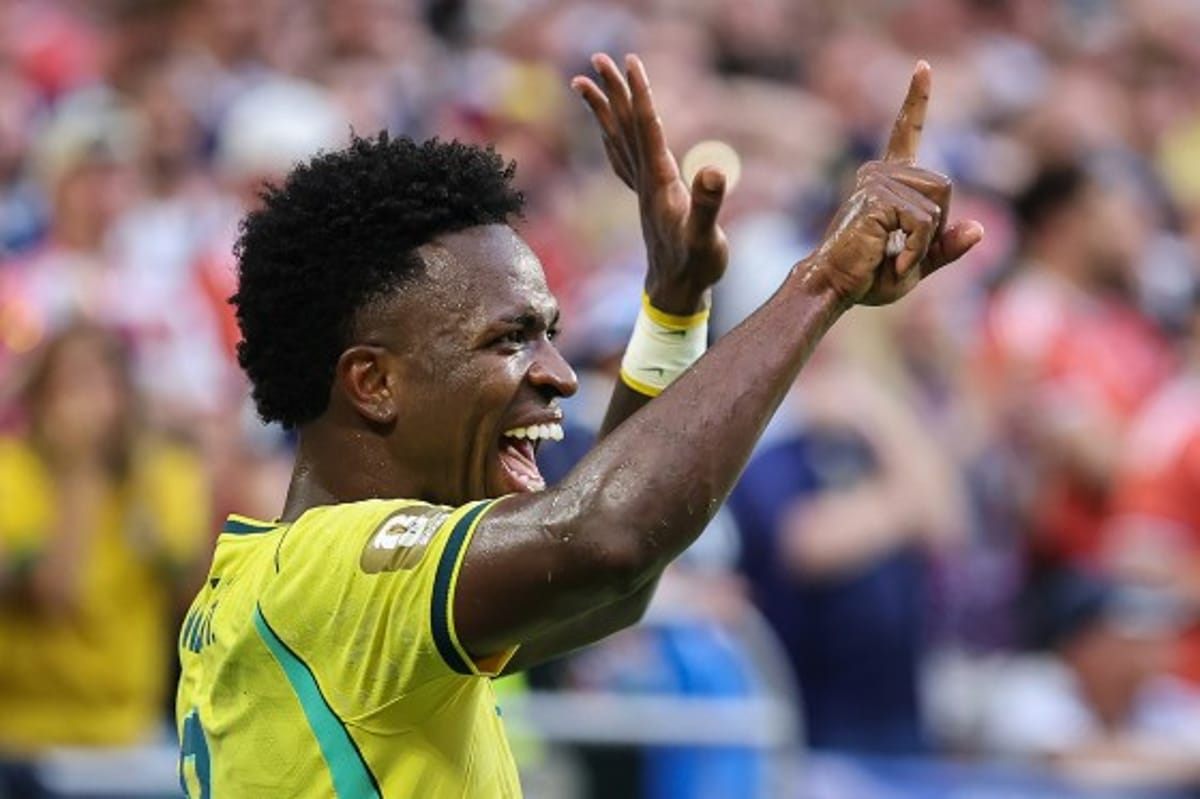
The match between Brazil and Japan was far more than just another World Cup quarterfinal. It was a meeting between the most decorated national team in football history and the sport's fastest-rising global power.
Yes, Japan.
This is no longer the exotic underdog from Asia. Japan has already defeated Germany, consistently challenges Europe's elite, and has become one of the toughest opponents in international football. Beating Japan today is no longer a curiosity, it is a genuine achievement.
The transformation of Japanese football over the past three decades is arguably deeper than that of any other country, including the United States. Until the early 1990s, football in Japan was barely a professional sport. There was a national team and a domestic league, but neither operated at the highest professional standards. Japan did not even qualify for its first FIFA World Cup until 1998.
Since then, the revolution has been remarkable. There was a time when Japanese players were signed by European clubs largely for commercial reasons. Today, they earn their place through quality alone. They are respected for their discipline, athleticism, technical ability, creativity, tactical intelligence, and fearlessness. Japanese football is anything but predictable. It is fast, technical, inventive, and forces the football world to rethink what modern football can look like.
It is no coincidence that traditional European powers such as Sweden and the Netherlands have struggled against Japan. The Japanese have elevated physical conditioning to another level while developing technical quality that rivals many of Europe's strongest national teams.
Standing opposite them was Brazil.
Even after falling behind, Brazil never panicked. They represented everything that has defined Brazilian football for generations: elegant passing combinations, breathtaking technique, fearless dribbling, tradition, and above all, the immense responsibility and pride of wearing the famous yellow shirt. Even if today's Brazil may not be quite as dominant as Spain or France, it still embodies the richest footballing heritage the game has ever known.
That is why this encounter felt so significant. It was a meeting between football's greatest historical power and one of its most exciting emerging forces. It was worthy of a World Cup quarterfinal, and it is impossible not to feel sympathy for Japan, they played like a team that deserved to advance.
Finally, a word about one of the greatest managers in football history, and certainly one of my personal favorites: .
Ancelotti may well be the last of the great traditional Italian managers. Calm under pressure, unmoved by public criticism, he introduced Martinelli at the decisive moment when few expected it and kept Casemiro on the pitch despite widespread calls to substitute him. Once again, experience, composure, and trust in his players proved decisive.