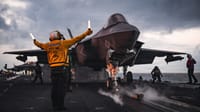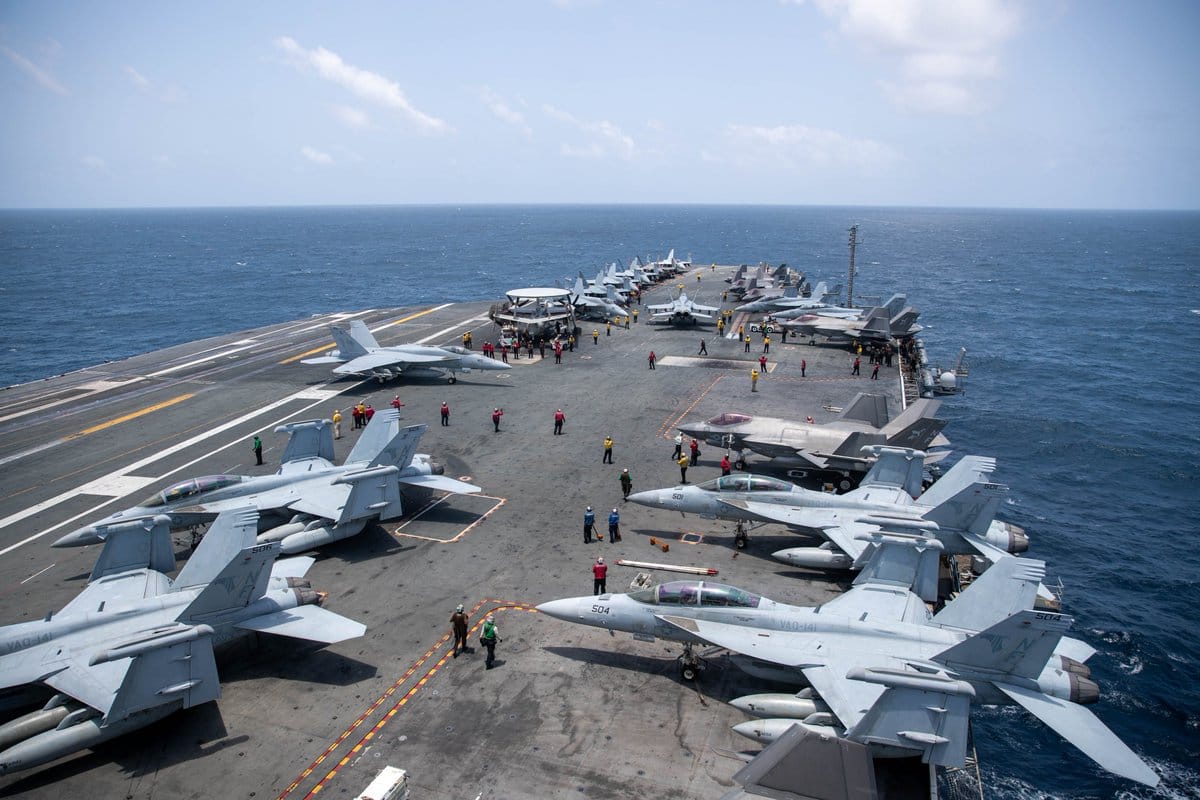
U.S. Central Command has moved some of its aircraft from air bases in the region to minimize potential losses if hostilities with Iran resume, the Wall Street Journal reports. The move is the latest in a series of steps suggesting Washington is preparing for a new round of fighting.
The Journal also reported that the USS George Washington is being rearmed in the Arabian Sea, with sailors loading large quantities of munitions, including standoff land-attack missiles and bunker-buster bombs, citing US officials. A WSJ reporter, Shelby Holliday, saw large stacks of ammunition boxes during a rare visit aboard the carrier, and US officials confirmed the military was positioning itself for a fresh wave of strikes.
According to a separate Journal report, President Donald Trump is inclined to resume large-scale hostilities against Iran, although no final decision has been made.
The aircraft moves come alongside a wider drawdown of personnel. Director of National Intelligence Jay Clayton told Secretary of State Marco Rubio in a memo on Friday that Iranian preparations to attack Americans across the Middle East had reached advanced stages, prompting a sudden evacuation of diplomats and military personnel from embassies and bases, Kurdistan 24 reported. NBC News reported earlier this week that the US had quietly withdrawn troops from bases in Jordan, Qatar and Kuwait, with Washington reportedly intending to keep a limited presence at its regional bases, including air defense and security personnel.
CENTCOM spokesman Timothy Hawkins declined to discuss the reported movements, saying US forces are regularly repositioned to optimize mission readiness.
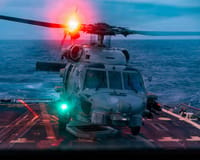
The buildup is also continuing at sea. Two carrier strike groups are already in the region, with a third, the USS Theodore Roosevelt, on its way from the Pacific.
The dispersal reflects lessons from the first phase of the war. A Defense Department Inspector General report in September documented hundreds of damaged buildings across eight countries and $3.7 billion in equipment losses, including dozens of damaged or destroyed aircraft. Ahead of the February 28 attack, the Pentagon had likewise withdrawn large numbers of troops from vulnerable bases to shield them from Iranian retaliation.