The Beirut Freeze

IDF Frozen in Lebanon Under New Restrictions

Israeli forces remain deployed up to 10km inside Lebanon • New directive limits action to self-defense only | Washington talks could determine next phase (Israel News)

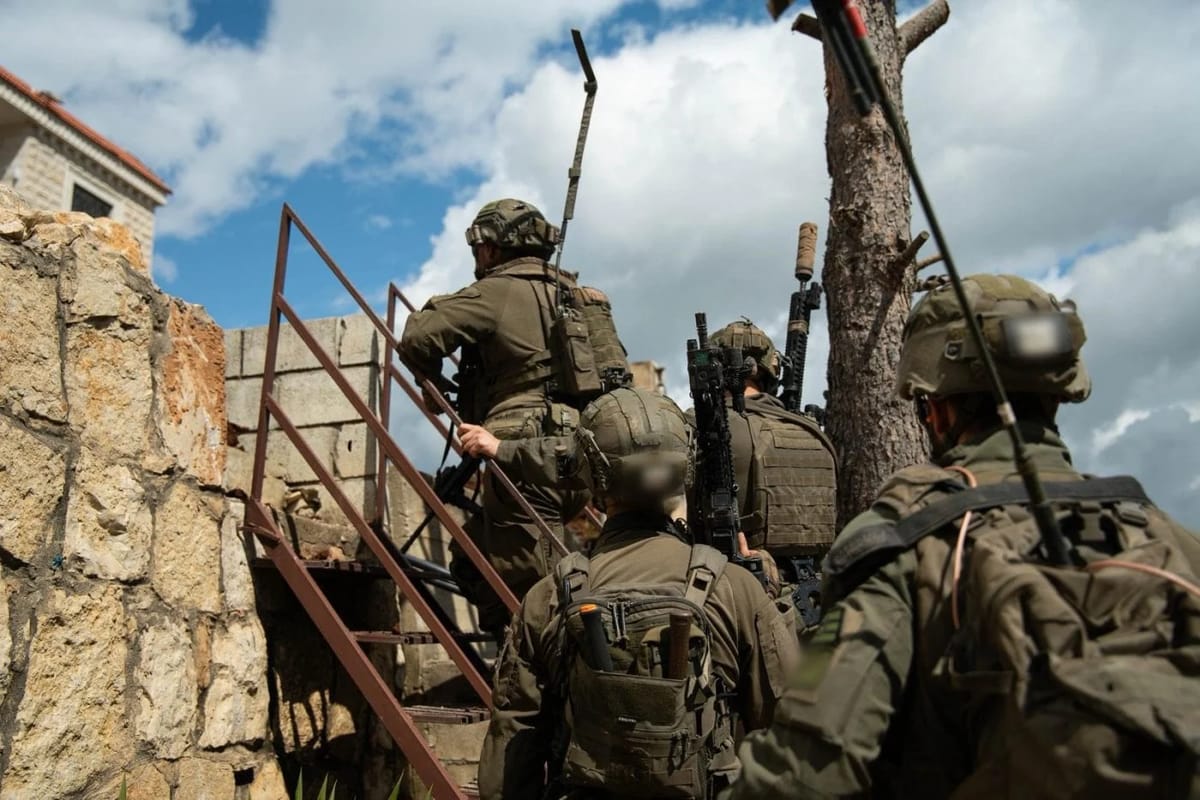
IDF soldiers operate in South Lebanon

Israeli forces remain deployed across a 10-kilometer security zone in southern Lebanon, but new operational directives have effectively frozen offensive action, leaving troops in static positions while diplomatic negotiations in Washington determine the next phase of Israel's military presence north of the border.

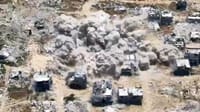
According to military sources, IDF units currently control key strategic terrain along the Ali Taher ridge and surrounding high ground, maintaining a buffer zone that extends from the eastern sector near the Litani River to the western approaches around Majdal Zoun. The deployment represents Israel's most significant ground presence in Lebanon since the 2006 war, with forces positioned to prevent Hezbollah infiltration attempts and anti-tank missile strikes against northern Israeli communities.

The Israeli government issued new operational guidelines late last week directing forces to avoid offensive operations and use force only in self-defense or with explicit approval from senior commanders, according to The New York Times. The directive followed deadly weekend clashes with Hezbollah and appears designed to ease tensions while U.S.-Iran negotiations continue in Switzerland.
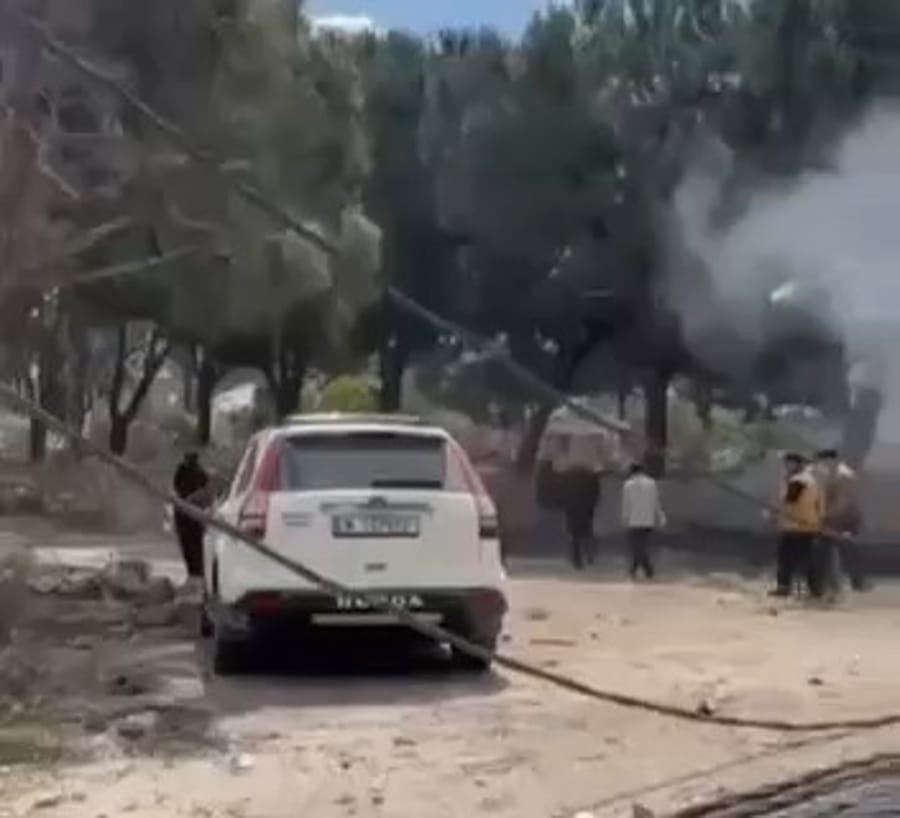
Defense Minister Israel Katz clarified Sunday that Israeli troops retain full authority to eliminate immediate threats, stating there has never been any restriction on forces acting to protect themselves or neutralize dangers. The distinction appears to hinge on whether operations are classified as defensive responses to imminent threats or proactive strikes against Hezbollah infrastructure.

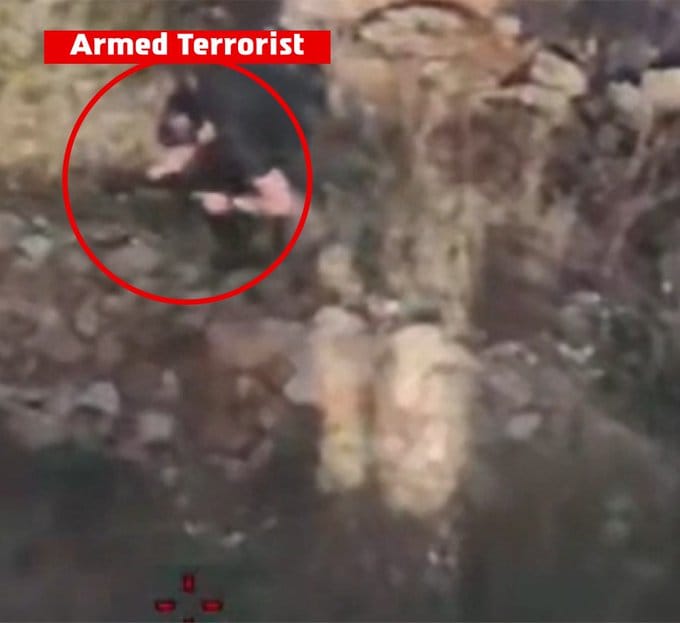
The IDF demonstrated that distinction Tuesday when forces struck an armed terrorist cell operating near Israeli troops on the Ali Taher ridge. Military spokesman Meit Segal confirmed the squad was identified close to IDF forces near the village of Tabnit, and troops acted immediately to neutralize the threat north of the security zone.

Two Critical Constraints

Israeli military planners face two significant operational limitations under the current framework. First, an estimated 50 Hezbollah operatives remain embedded in underground infrastructure north of the Beaufort Castle area, beyond the reach of forces restricted to defensive operations. Second, any action north of the Litani River or in distant sectors now requires explicit political authorization, a constraint that military officials view as tactically problematic.

One proposal under discussion in Washington involves a pilot withdrawal from select areas, with the Lebanese Armed Forces entering those zones under close American supervision. Unlike previous deployments where Lebanese forces failed to disarm Hezbollah or prevent weapons smuggling, this framework would include direct U.S. oversight to ensure compliance. If successful, the model could be expanded to additional sectors.

From the perspective of Israeli military decision-makers, maintaining the current 10-kilometer buffer zone remains essential. The deployment prevents anti-tank missile strikes against Israeli forces, blocks infiltration routes into northern communities, and creates strategic depth between Hezbollah positions and Israeli population centers. But the posture requires significant manpower, demands regular resupply convoys through hostile terrain, and leaves forces in static positions vulnerable to attack — a tactically undesirable situation for any extended period.

The Washington Factor

The timeline for any Israeli withdrawal appears directly linked to the outcome of U.S.-Iran negotiations currently underway in Switzerland. Israeli officials have signaled no intention to abandon positions captured at significant cost until those talks conclude, whether that occurs in 60 days or 100 days. The fragile diplomatic framework has already shown signs of strain, with Tehran issuing contradictory statements about nuclear inspections and control of the Strait of Hormuz that directly challenge President Trump's public claims of Iranian compliance.

Armed terrorist
Armed terrorist (Photo: IDF Spokesperson)

Military sources indicated that any eventual withdrawal would likely be phased and conditional, contingent on verifiable disarmament of Hezbollah positions and effective Lebanese government control of border areas. The current freeze on offensive operations represents a temporary accommodation to diplomatic pressure, not a strategic shift in Israel's security requirements for its northern border.

Israeli forces continue to hold the high ground overlooking Hezbollah's primary operational zones in southern Lebanon, maintaining tactical advantage even as political constraints limit their freedom of action. The question now is whether Washington's diplomatic efforts can produce a framework that allows Israel to withdraw without sacrificing the security gains achieved through months of ground operations.

Ready for more?

Join our newsletter to receive updates on new articles and exclusive content.

We respect your privacy and will never share your information.

Enjoyed this article?

Yes (46)
No (2)
Follow Us:

Unmissable content


Loading comments...

Also of Interest