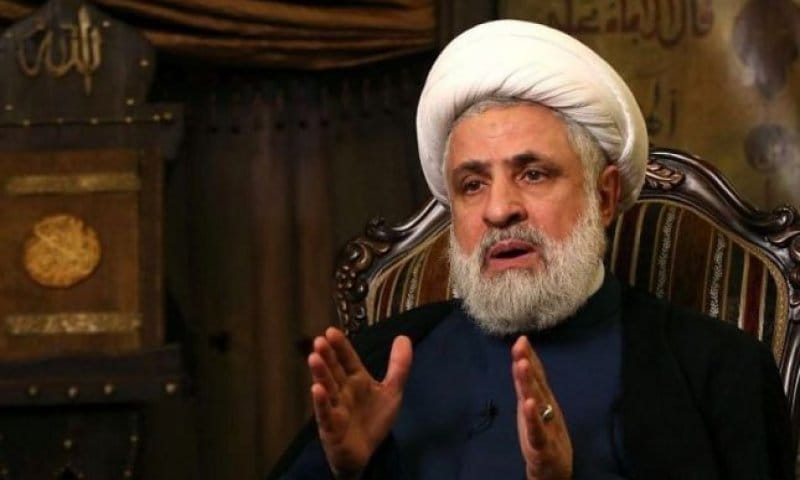
Iran: "Regional Stability Depends on Israel Leaving Lebanon"
Revolutionary Guards declare Israeli withdrawal from 'occupied areas' prerequisite for regional peace • Statement comes amid frozen diplomatic channels with Washington | Full story (World News)

Iran's Islamic Revolutionary Guard Corps issued a stark warning Thursday, declaring that regional stability remains impossible as long as Israeli forces maintain their presence in what Tehran describes as occupied Lebanese territory. The statement marks a significant escalation in Iranian rhetoric as the fragile US-brokered ceasefire between Israel and Lebanon continues to unravel on the ground.
The IRGC's position comes amid a dramatic freeze in diplomatic communications between Tehran and Washington. According to Tasnim News Agency, closely aligned with the Revolutionary Guards, Iran's core negotiating team has officially suspended all exchanges of diplomatic drafts and messages with the United States, signaling a complete breakdown in the already tenuous ceasefire framework.
Trump denies this.
Iranian Foreign Minister Abbas Araghchi reinforced the regime's hardline stance, warning that the existing ceasefire agreement between Iran and the United States applies universally across all regional fronts. Any violation on a single theater, Araghchi emphasized, would be treated as a total breach across all active zones of conflict.
Ceasefire Already Collapsing
The Iranian demands arrive as the US-brokered Israel-Lebanon ceasefire faces immediate collapse. Hezbollah Secretary-General Naim Qassem publicly rejected the agreement hours after its announcement, dismissing the terms as "surrender and defeat" and vowing his organization would neither halt attacks nor withdraw from southern Lebanon under current conditions.
Qassem's rejection centered on what he characterized as one-sided capitulation, arguing the ceasefire demands Hezbollah pull back while Israeli military operations continue unabated. He insisted any viable agreement must apply to all of Lebanon simultaneously, require complete Israeli withdrawal, and constitute a full end to what he termed Israeli aggression.
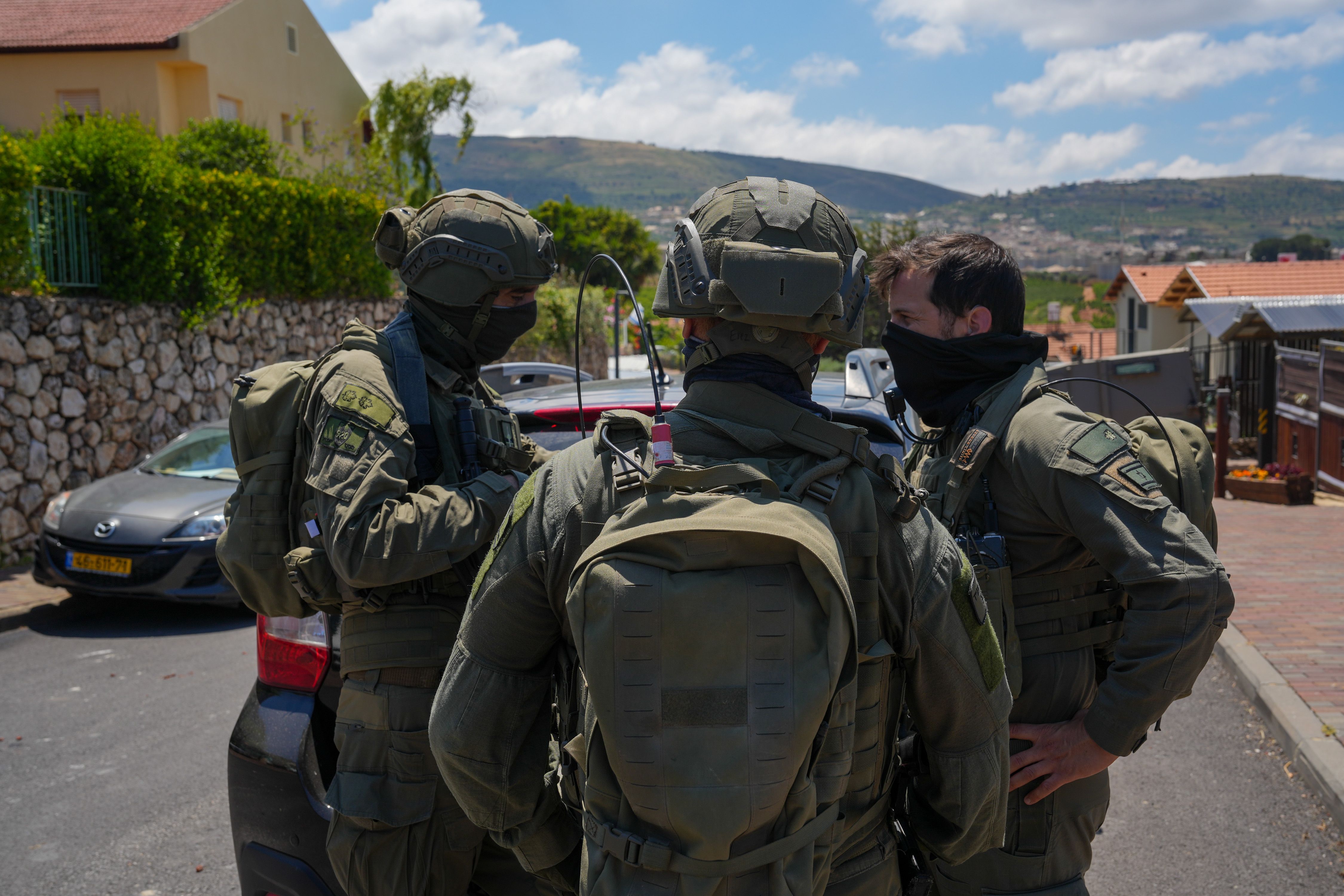
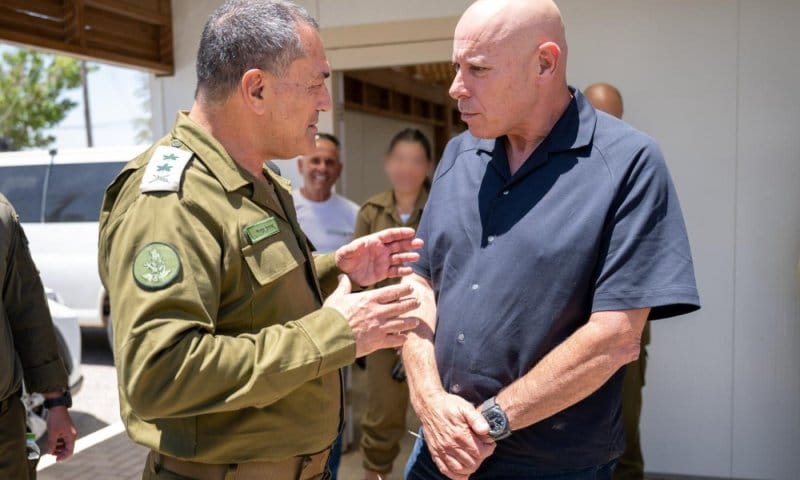
On the ground, the ceasefire exists in name only. IDF Chief of Staff Lt. Gen. Eyal Zamir confirmed Thursday that Israeli forces captured the strategic Beaufort Ridge this week and are systematically destroying decades of Hezbollah infrastructure. Zamir made clear that regardless of diplomatic announcements, the bulk of Israel's military remains on the offensive in Lebanon, with operations continuing at full intensity.

Pattern of Failed Agreements
The current ceasefire terms mirror those established in UN Resolution 1701 following the 2006 Second Lebanon War, which called for Hezbollah to withdraw north of the Litani River, for the Lebanese Army and UNIFIL to deploy in the south, and for Hezbollah to disarm. Twenty years later, not one of those conditions was meaningfully enforced. Hezbollah maintained its border presence, refused to disarm, and instead became the world's most heavily armed non-state actor by 2024.
The Revolutionary Guards' latest statement signals Tehran's determination to leverage the current crisis to extract maximum concessions from Israel and its Western backers. By framing Israeli withdrawal as the prerequisite for regional stability, Iran positions itself as the arbiter of peace while maintaining support for its proxy forces across Lebanon, Syria, and Iraq.
The diplomatic freeze between Tehran and Washington further complicates any prospect of de-escalation. With direct communication channels suspended and both Hezbollah and the IDF continuing active operations, the ceasefire framework appears increasingly hollow, raising the specter of renewed full-scale conflict across multiple fronts.

The IRGC's demand for Israeli withdrawal from Lebanon represents a maximalist position that Israel has consistently rejected, particularly as its forces continue to uncover and destroy extensive Hezbollah military infrastructure in southern Lebanon. With Tehran freezing diplomatic channels, Hezbollah rejecting ceasefire terms, and the IDF maintaining offensive operations, the region appears poised for continued escalation rather than the stability both sides publicly claim to seek.