Iran Threatens Retaliation After Israeli Strike on Dahiyeh - Security Forces on High Alert
Senior Iranian commander confirms strike 'will not go unanswered' • Parliament speaker threatens to halt Trump negotiations | Israel prepares for all scenarios (Israel News)

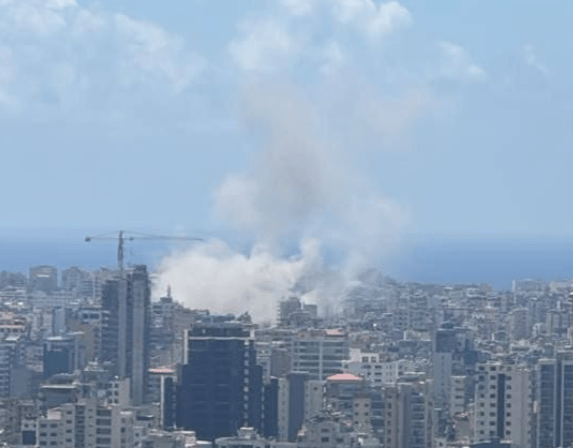
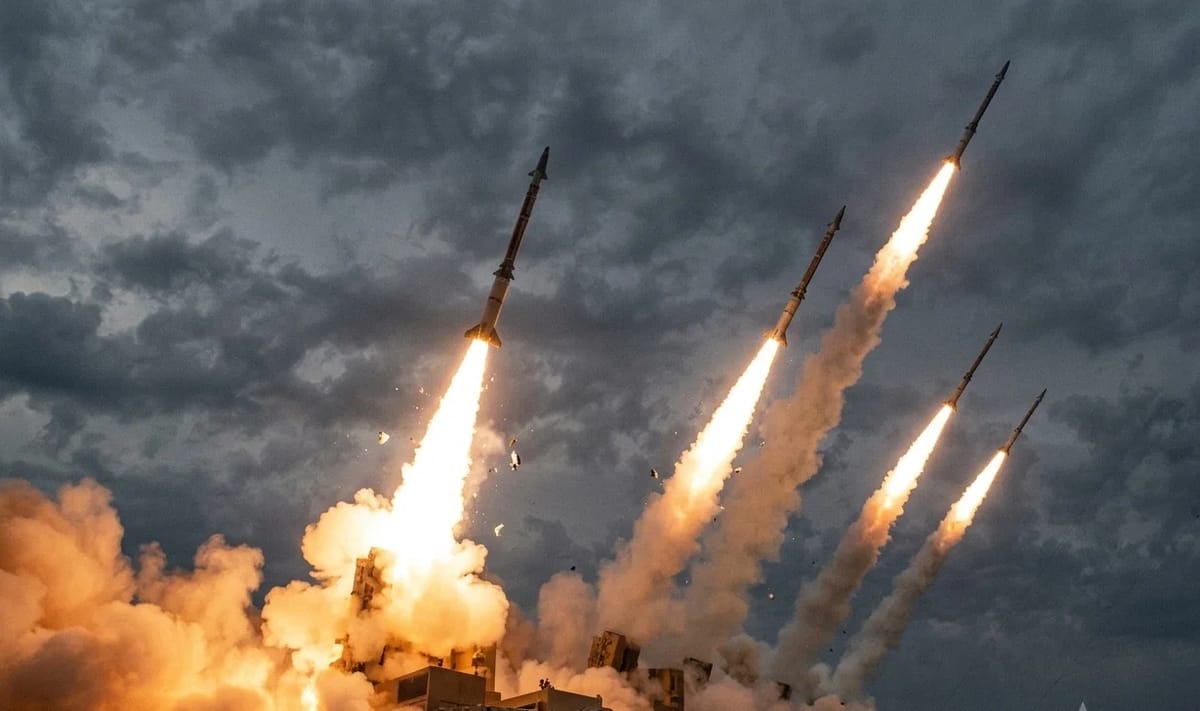
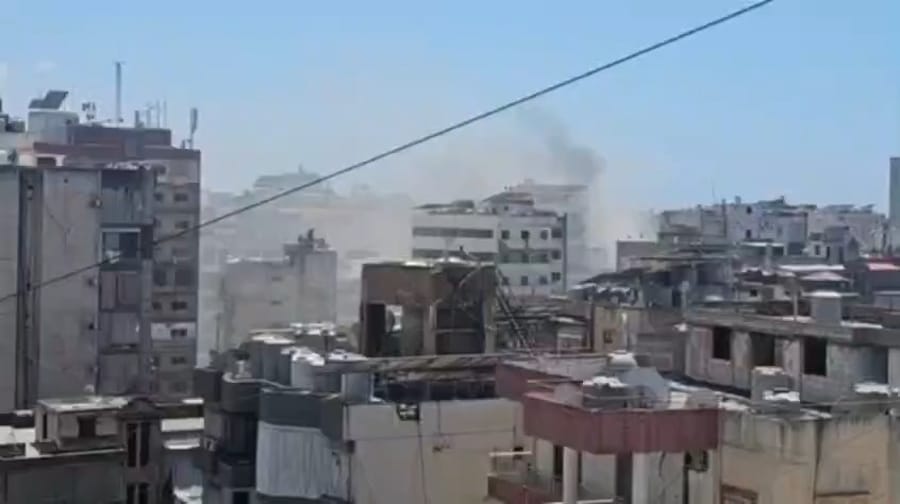
Israel's security establishment is operating under heightened alert following explicit Iranian threats to retaliate for Sunday's precision strike on a Hezbollah target in Beirut's Dahiyeh district, raising concerns that Tehran may launch another missile barrage toward Israeli territory within days.
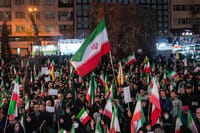
The deputy commander of Iran's Khatam al-Anbiya Central Headquarters was quoted by Al Jazeera on Sunday warning that the Israeli strike "will not go unanswered." The statement marks the most direct Iranian threat since last week's exchange, when Tehran fired missiles at Israel following a previous Dahiyeh strike, prompting a targeted Israeli counterstrike inside Iran.
The warnings escalated further when Mohammad Bagher Qalibaf, speaker of Iran's parliament and one of the regime's most senior figures, threatened to halt ongoing negotiations with the United States. In a post on X, Qalibaf declared that Washington had either lost the will or the ability to enforce its commitments, adding: "If you do not have the will and ability to implement your commitments, it is impossible to talk about continuing the path."
Iranian parliamentarian Ibrahim Rezaei went further, stating that any agreement or understanding with Washington would now require what he termed "punishment" of Israel. Rezaei, who last week threatened retaliation hours before Iran's missile strike materialized, warned against miscalculation following the Dahiyeh operation.
The Israeli strike came in direct response to Hezbollah rocket fire toward northern Israeli communities earlier Sunday. Prime Minister Benjamin Netanyahu and Defense Minister Israel Katz issued a joint statement immediately after the operation: "Israel will not tolerate fire toward its territory." The statement underscored Jerusalem's determination to maintain its deterrence posture despite the delicate diplomatic moment surrounding emerging U.S.-Iran negotiations.
According to sources cited by Israel's N12 news, security officials confirmed they are preparing for all contingencies, including the possibility of Iranian missile strikes similar to last week's attack. The preparations reflect lessons learned from the previous exchange, when Iran fired projectiles at Israel following what it characterized as a violation of its deterrence equation.
The timing of the Israeli operation places significant pressure on the Trump administration's diplomatic efforts. Washington has been pursuing a 60-day interim framework with Tehran that would include Iranian commitments to dilute its highly enriched uranium stockpile in exchange for sanctions relief and the unfreezing of approximately $25 billion in Iranian assets. The agreement is also expected to secure the reopening of the Strait of Hormuz, a critical global shipping chokepoint.
Israeli officials pushed back sharply against suggestions that Jerusalem required American approval before conducting the strike. "We are not a vassal state," a senior Israeli official stated, confirming that Washington was notified only after the operation had been publicly reported. The move demonstrated that Israel's security decisions remain sovereign, even as diplomatic pressure mounts to avoid actions that could derail the emerging U.S.-Iran deal.

Tehran now faces a strategic dilemma. It can absorb the Israeli response and preserve the diplomatic track with Washington, potentially securing significant economic relief and sanctions easing. Or it can retaliate to maintain its deterrence credibility, risking the collapse of negotiations and further escalation with both Israel and the United States.
The Iranian threats come as Jerusalem has repeatedly warned that Hezbollah rocket fire toward Israeli communities would trigger strikes in Dahiyeh, the Shiite-majority district of Beirut that serves as Hezbollah's operational stronghold. Sunday's operation followed that pattern precisely, with Israeli forces targeting what they described as a senior Hezbollah liaison officer in response to drone launches toward northern Israel earlier in the day.
Security analysts in Israel noted that Iran has been attempting to establish a new equation in recent weeks: any Israeli strike in Dahiyeh would automatically trigger Iranian missile fire toward Israeli territory. The question now is whether Tehran will follow through on that formula despite the potential cost to its diplomatic opening with Washington.
Further updates to follow as the situation develops.