Medical Malpractice

Shocking Medical Scandal: Israeli Hospital Gave Unauthorized Experimental Treatment, Patient Died

Health Ministry investigation reveals Mayanei Hayeshua Hospital administered experimental cancer drug without approval • 84-year-old patient died weeks after treatment | Full findings expose deliberate violations (Israel News)

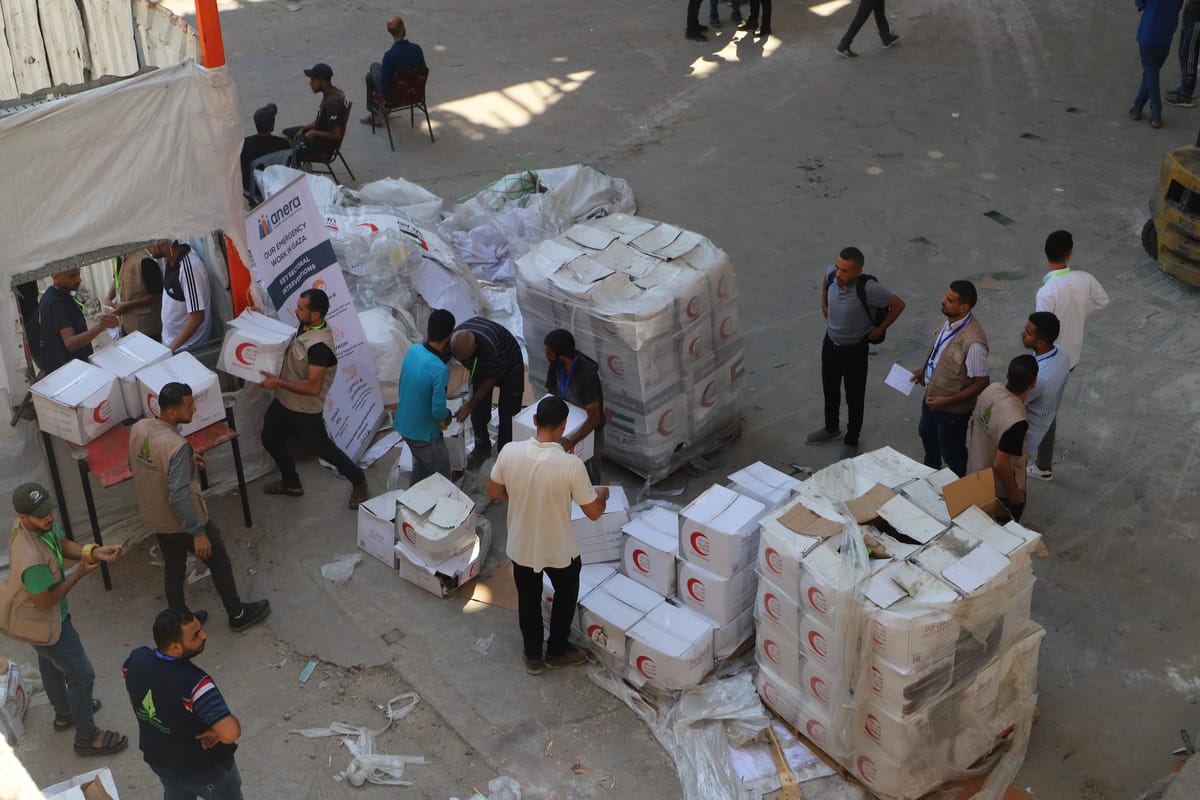
Humanitarian aid is distributed to Palestinians in the northern Gaza Strip, June 26, 2025.
Humanitarian aid is distributed to Palestinians in the northern Gaza Strip, June 26, 2025. (Khalil Kahlout/Flash90)

Israel's Health Ministry released findings Sunday from a damning investigation into Mayanei Hayeshua Hospital in Bnei Brak, revealing that medical staff deliberately administered an unauthorized experimental cancer treatment to an 84-year-old patient who died weeks later. The probe concluded that the February 2019 treatment violated multiple regulatory protocols and was presented to oversight committees under false pretenses.

The investigation was launched by the Ministry's Public Complaints Commissioner for Medical Professions following a formal complaint about the incident. According to the ministry's statement, the patient, diagnosed with advanced pancreatic cancer with metastases, received an experimental drug called Gammora as part of what hospital staff characterized as "compassionate use" treatment. The drug was never approved for human use in Israel.

"The committee determined that these were failures committed knowingly by those involved, and not a systemic deficiency," the Health Ministry stated, signaling that individual medical professionals bore direct responsibility for the violations.

The investigative committee's findings revealed systematic regulatory failures at multiple levels. The experimental drug Gammora, manufactured by a pharmaceutical company, was imported into Israel under documentation explicitly stating it was intended for laboratory use only, a restriction clearly marked on the manufacturer's information sheets. Hospital staff nevertheless diverted the substance for human treatment without proper authorization or preparation protocols.

According to the probe, the treatment failed to meet the legal requirements for any of the three pathways that could have legitimized its use: clinical trial protocols, emergency treatment provisions, or compassionate use regulations. Most significantly, the Health Ministry never approved the treatment, and the hospital's Helsinki Committee, responsible for ethical oversight of experimental procedures, received misleading information about the drug's regulatory status.

The investigation further determined that the drug was prepared for administration by personnel lacking appropriate training or qualifications. The approval process itself was compromised when hospital officials relied on documentation from a separate case at Tel Aviv's Ichilov Hospital, rather than conducting an independent evaluation of this patient's circumstances.

Patient Developed Sudden Neurological Symptoms

During the course of treatment in February 2019, the elderly patient developed sudden neurological symptoms. His family requested that the experimental treatment be halted, and he passed away several weeks later. The investigative committee noted that while the violations were severe, medical evidence could not definitively establish whether the unauthorized treatment directly caused the patient's deterioration or whether his death resulted from the natural progression of his advanced cancer.

"The committee's conclusions emphasize that even in cases of serious illness where families are searching for therapeutic solutions, it is impossible to rule out or confirm with high certainty whether these failures caused a worsening of the patient's condition," the Health Ministry stated. "There is a likelihood that the patient died due to deterioration in his medical condition and the progression of his disease."

Ministry Vows Enforcement Action

The Health Ministry emphasized that the investigation's findings underscore the critical importance of adhering to regulatory procedures designed to protect patient safety, particularly in cases involving experimental treatments for terminal illnesses. Officials indicated that enforcement measures would follow once the implicated parties submit their responses to the committee's findings.

"In accordance with the report, the Health Ministry will continue examining the conduct of the institutions and parties involved, drawing the necessary lessons to ensure patient safety and enforce guidelines regarding all medical treatments," the ministry declared. "After receiving responses from the parties to the committee's findings, the ministry will take the steps available to it on this matter."

Ready for more?

Join our newsletter to receive updates on new articles and exclusive content.

We respect your privacy and will never share your information.