The threat - occupation of a position by Radwan force
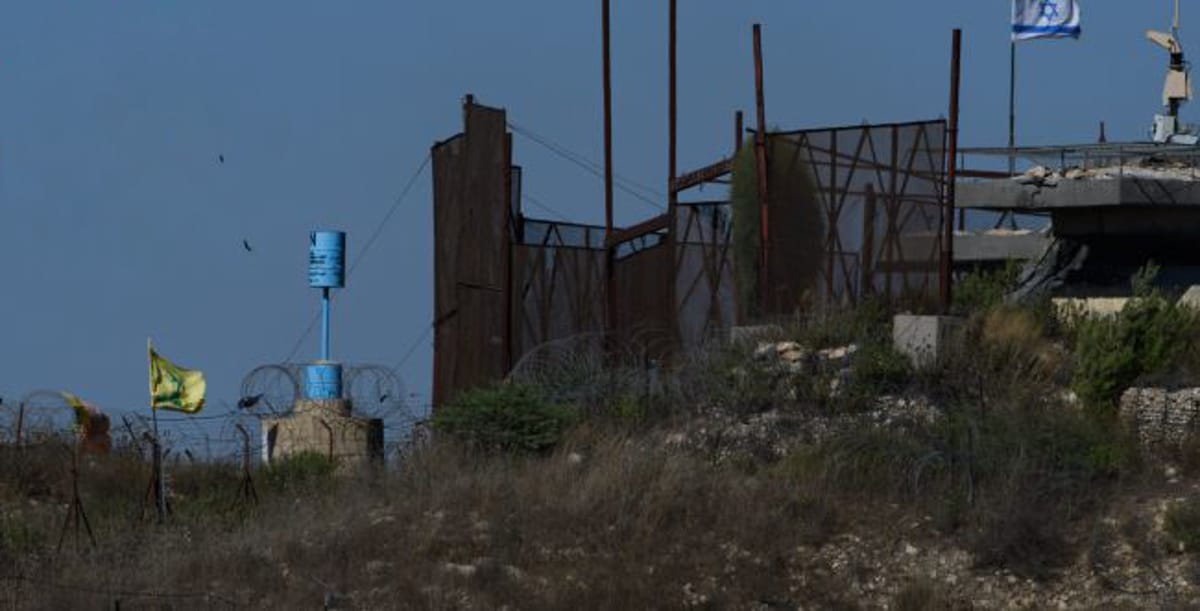
The routine activity of a reserve battalion on the northern border consists of opening and closing roads, reinforcing positions, and primarily confronting the provocations of Hezbollah forces along the fence. These provocations often involve individuals dressed in civilian attire, posing as shepherds, demonstrators, or news photographers.
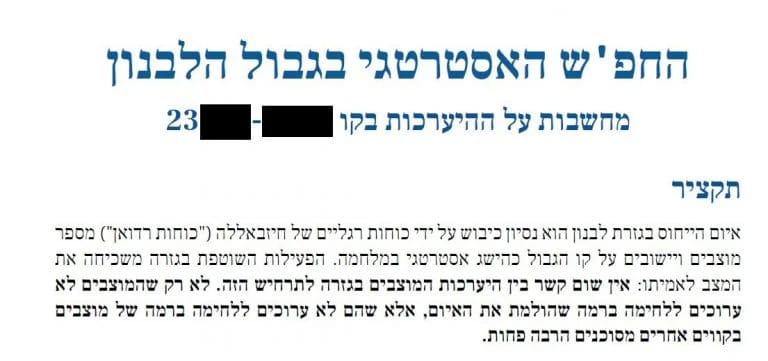
The main activity is countering abduction incidents, as it was in 2000 on Mount Dov and in 2006 in the central sector, an act that led to the Second Lebanon War, or countering infiltration incidents, as in the attack in Megido. According to the document, the forces in this mission are indeed capable of dealing with such situations to the best of their abilities.
The "Day of Judgment" scenario for the IDF is an entirely different event – which is also discussed in exercises and briefings – an event of an attack at the platoon or battalion level by Hezbollah's elite unit called "Radwan Force," aiming to capture a settlement or position and raise Hezbollah's flag over it.
Even Hezbollah knows that it is not capable of holding a position for an extended period, and the goal of the operation, beyond the significant number of casualties on the Israeli side, is to achieve the strategic objective of raising Hezbollah's flag on Israeli sovereign territory. Such an event has become a recurring pattern for Hamas in Operation "Protective Edge" ("Tzuk Eitan") in the attack on the Oz Stream position, and even before that, with the raising of Hezbollah's flag on the "Dla'at" position during the IDF's presence in South Lebanon before the withdrawal in '99.
The document's conclusion is that the positions, in their current state, are not prepared for such a strategic event.
No ammunition, no basic equipment
In the document, the soldier describes the gaps in the basic equipment level of the positions, from combat gear to medical supplies.
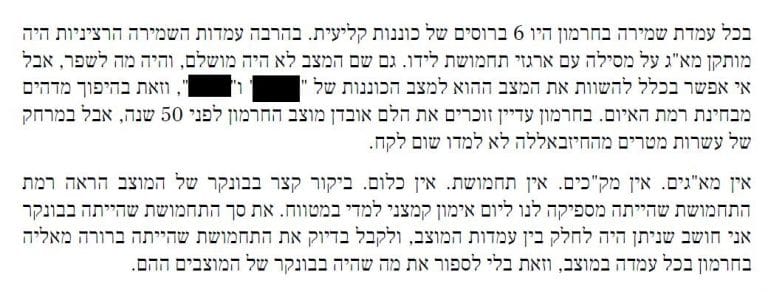
In a detailed and concise description, he portrays an inconceivable reality in which positions lacked heavy machine guns (MAGs) and grenade launchers. There was a shortage of grenades, missiles, grenade launchers, and both heavy and light ammunition. There were barely enough bullets for the soldiers' personal weapons.
The medical equipment was also shameful. There was a shortage of personal dressings, tourniquets, and the medics lacked full readiness for an entire month of operational activity on the border.
Furthermore, he lists failures and malfunctions in the vehicles – some of which were inoperative, and others arrived with low equipment levels. The communications system worked intermittently, and critical points had no reception. Due to communication issues, the ability to coordinate with the artillery units responsible for supporting the position and the fighters during operations was disrupted.
Everyone is in the line of malfunctions and indifference to the situation: from the brigadier general down to the observers at the border, through the armored fighters to the drivers.
The gap in the level of personal equipment between the reservists and the regulars was amazing.
"The soldier is the same soldier, the mission is the same mission, and the threat is the same threat, so the means should be the same means. A soldier doesn't enjoy the comforts of rear service conditions; therefore, the service conditions of a soldier should include a comfortable and lightweight helmet, not the cumbersome helmets from the Yom Kippur War that are still being supplied. Basic items like flashlights, canteens, bandages, and first aid equipment are not adequately provided to the soldier, and in general, the equipment supplied is very outdated, except for the vest. For the first time, a complete soldier's kit was provided, but even that was a used kit."
We have seen all these things with our own eyes, complained about them, discussed them among ourselves, and they were clear to us from the start, after a short period on the frontline. However, they are minor issues compared to the real problem. These are readiness issues directly related to the expected enemy activity – abduction events or infiltration attempts by terrorists. Given the deficient readiness state, we will struggle to cope as required due to the malfunctions that all of us have witnessed."