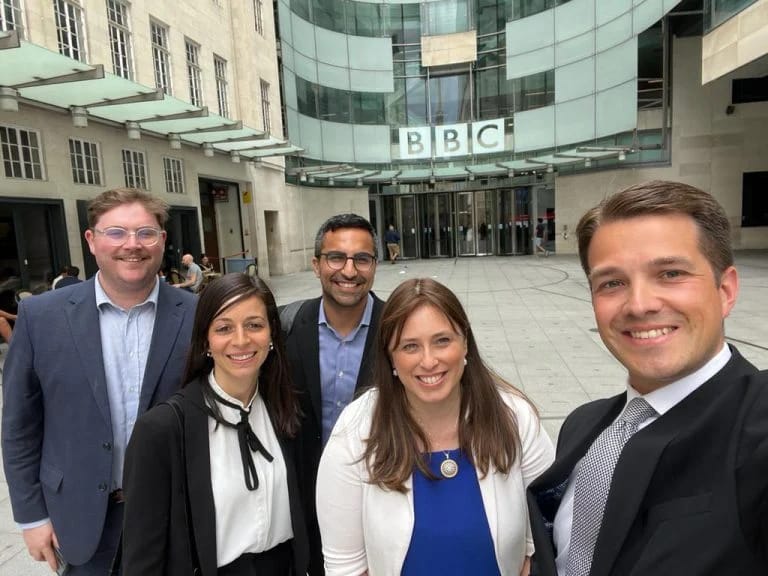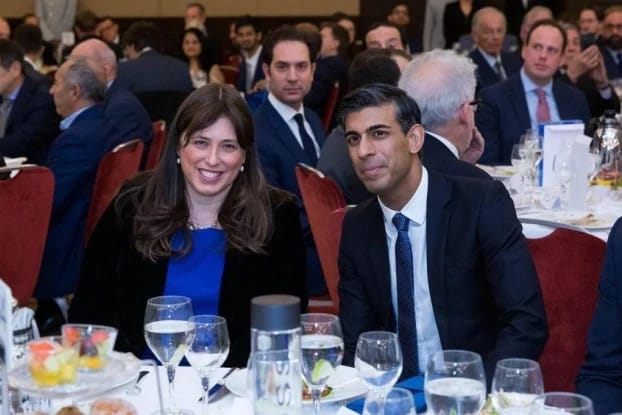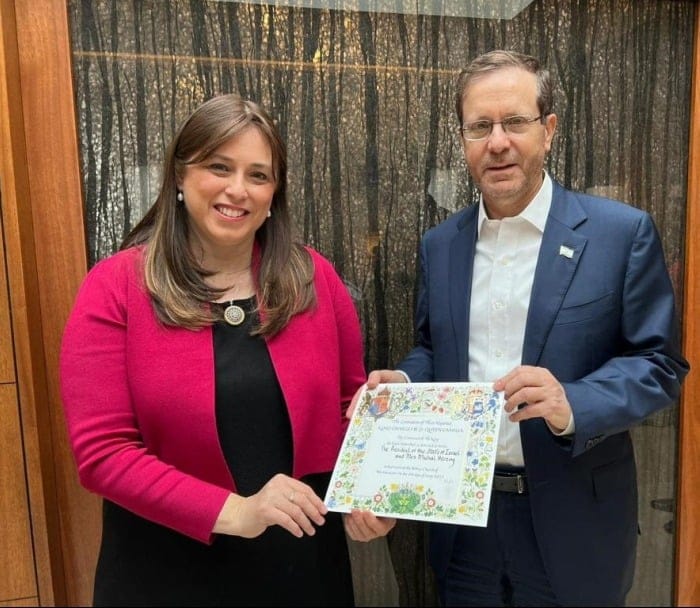
Tzipi Hotovely is marking three years this month since her appointment as Israel's Ambassador to the United Kingdom. The State of Israel is currently facing numerous challenges, including judicial reform, the Abraham Accords that are expanding, and the possible discussions about normalization with Saudi Arabia.
Last July, the President of the United States conveyed to Prime Minister Binyamin Netanyahu that he should not pass the legislation without broad consensus. The British government called on Israel to preserve the independence of its judicial system and to avoid legislation. However, according to the ambassador, the relations remain good as always, and a stream of visits by Israeli government officials make their way to the British Kingdom. In anticipation of the New Year, in a special interview, we spoke with the ambassador about diplomacy between the countries, anti-Semitism in the kingdom, and her personal coping as a religious individual.
How are you these days?
"In action. The Head of Military Intelligence visited here last week, and also the ministers Shikli, Akunis, and the chairman of Yad Vashem, Danny Dayan, will visit. There's no week without an official visit; we are in a summer of action. This year is historic because a new king was crowned in the kingdom, which hasn't happened for decades. When I arrived here, I presented my credentials to the Queen. It's a continuous embassy."
We are in tense days in Israel. The White House has criticized, and Britain called on Israel to maintain the independence of the judicial system. On the other hand, we see ministerial visits. Isn't there a dissonance here?
"There is no dissonance because we need to understand that we are in the golden era of Israel-UK relations. In the past month, a strategic dialogue has been launched between the countries led by the heads of the National Security Council, and Prime Minister Netanyahu came to open it. The senior level indicates the security cooperation between Israel and the UK. Britain sees Israel as a central and important partner, and we are working on signing an innovative trade agreement. We provide services and sell technology, and the British are also enthusiastic about Israel's proposals.
"We have made significant progress in the trade agreement and hope it will advance to its conclusion. All these factors make Israel a very close ally. These aspects are highly appreciated by the British, and all of our leaders have visited here. Britain will not colonialize what is happening in Israel; on the contrary, it treats it as an internal matter. It expresses support consistently throughout various international organizations. Britain leads Western Europe in supporting Israel in the UN, almost in every decision, and opposes anti-Israel resolutions. Good things are happening here."
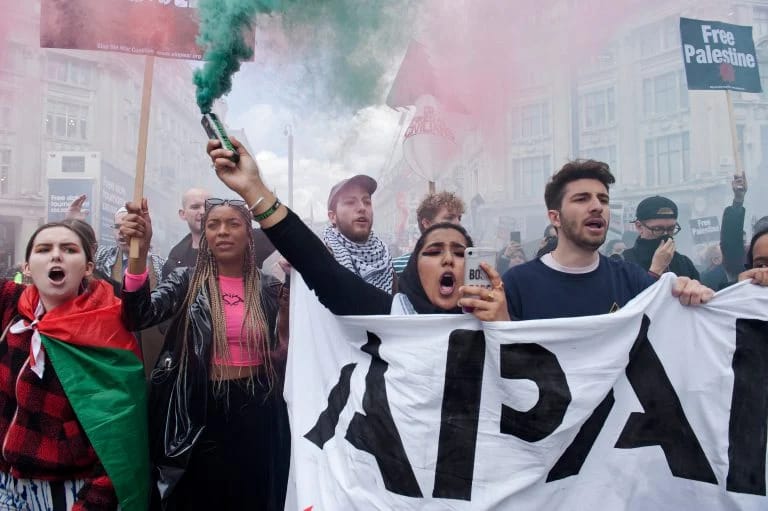
Where does the trade agreement that the BDS movement can put obstacles in the wheels stand?
"The trade agreement went through three rounds of negotiations, which is a relatively intricate stage. The British Foreign Secretary is supposed to visit Israel at the beginning of September, and I am confident that this will provide an additional push, as it is important for both the British and the State of Israel."