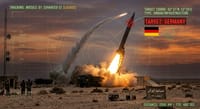
Iran’s missile program may be far less damaged than Washington and Jerusalem hoped.
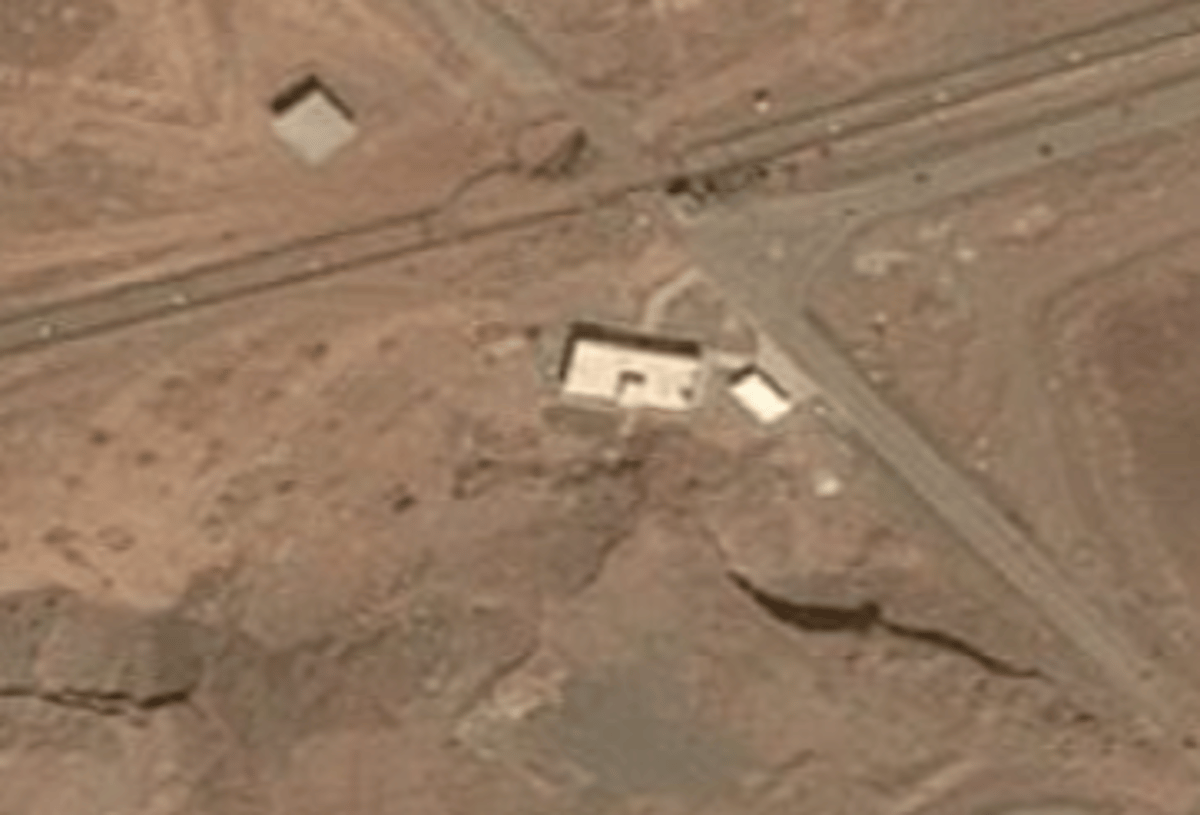
According to reports citing CNN satellite analysis, Iran has cleared or reopened 50 of 69 tunnel entrances at 18 underground missile facilities that were targeted during the U.S.-Israeli air campaign known as Operation Epic Fury. The work reportedly included clearing rubble, filling craters, repairing roads, and restoring access to subterranean missile infrastructure.
The finding is strategically important because Iran’s missile force is built for survival. Its launchers, storage sites, and production infrastructure are not all exposed above ground. Much of the system is hidden inside tunnels, hardened underground facilities, and dispersed sites designed to absorb airstrikes and recover quickly.
That is exactly what appears to be happening.
The Trump administration has publicly presented Operation Epic Fury as a major success. An April White House statement said the campaign had achieved its objectives with “overwhelming strength” and that Iran had agreed to a ceasefire while broader negotiations continued.
But the new satellite reporting complicates that victory narrative. Earlier Reuters reporting said U.S. intelligence could confirm with certainty that only about one-third of Iran’s missile arsenal had been destroyed, while another portion was damaged, buried, or uncertain.
This is the central problem with airpower against Iran: America and Israel can hit tunnels, bury entrances, destroy roads, and crater launch areas. But if the tunnels themselves survive, Iran can dig, rebuild, repave, and return.
That means the current war may be entering a more dangerous phase: not open victory, but long exhaustion. The United States and Iran remain locked in negotiations, while Reuters reported fresh hostilities and stalled ceasefire talks around the Strait of Hormuz.
For Israel, the lesson is even harsher.
Israel cannot build national security on dramatic strike footage alone. It cannot assume that every destroyed entrance means a destroyed capability. And it cannot confuse the temporary paralysis of Iran’s missile force with the permanent elimination of Iran’s missile threat.
Operation Epic Fury may have proved that America and Israel can reach deep inside Iran. But Iran’s recovery effort proves something else: reaching Iran is not the same as breaking Iran.