The Gulf Cooperation Council (GCC) is in the midst of a fierce internal debate over the proper way to end the military campaign with Iran. According to a report published Sunday by Politico, while all member states want to see an end to the war, they are deeply divided on the strategy and actions required to reach that goal.
The organization, which includes Saudi Arabia, the United Arab Emirates, Oman, Bahrain, Kuwait, and Qatar, faces profound internal rifts. U.S. officials noted that some Gulf nations align far more closely with the Trump administration's policy and objectives than others, further deepening the internal divide.
Alternative Shipping Routes and Infrastructure Reliance
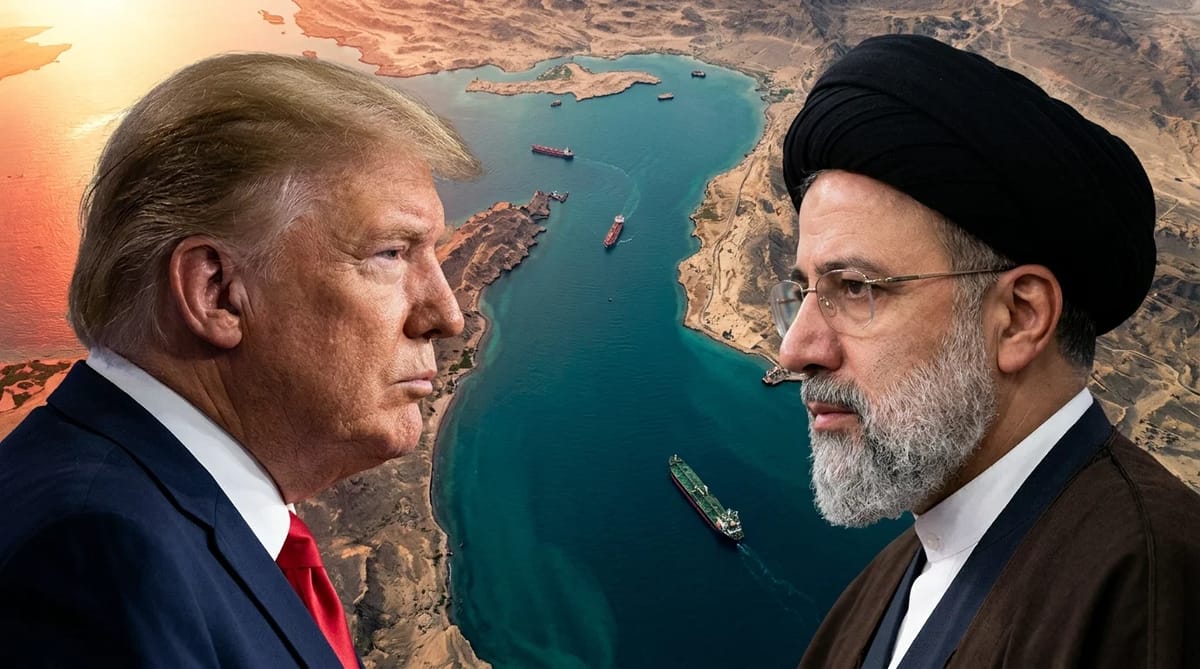
The splits and gaps between these nations stem from several key factors. Chief among them is the availability of alternative shipping routes. While some countries have access to alternative trade paths, others rely almost entirely on passage through the Strait of Hormuz, which faces constant Iranian threats.
Additionally, a major point of contention centers on how much each country's infrastructure relies on Iran. Some member states have maintained economic and infrastructure ties with Tehran, while others cut them off almost completely. The severity of economic damage suffered during the crisis also varies significantly from country to country, directly shaping each nation's willingness to continue fighting or seek a compromise.